
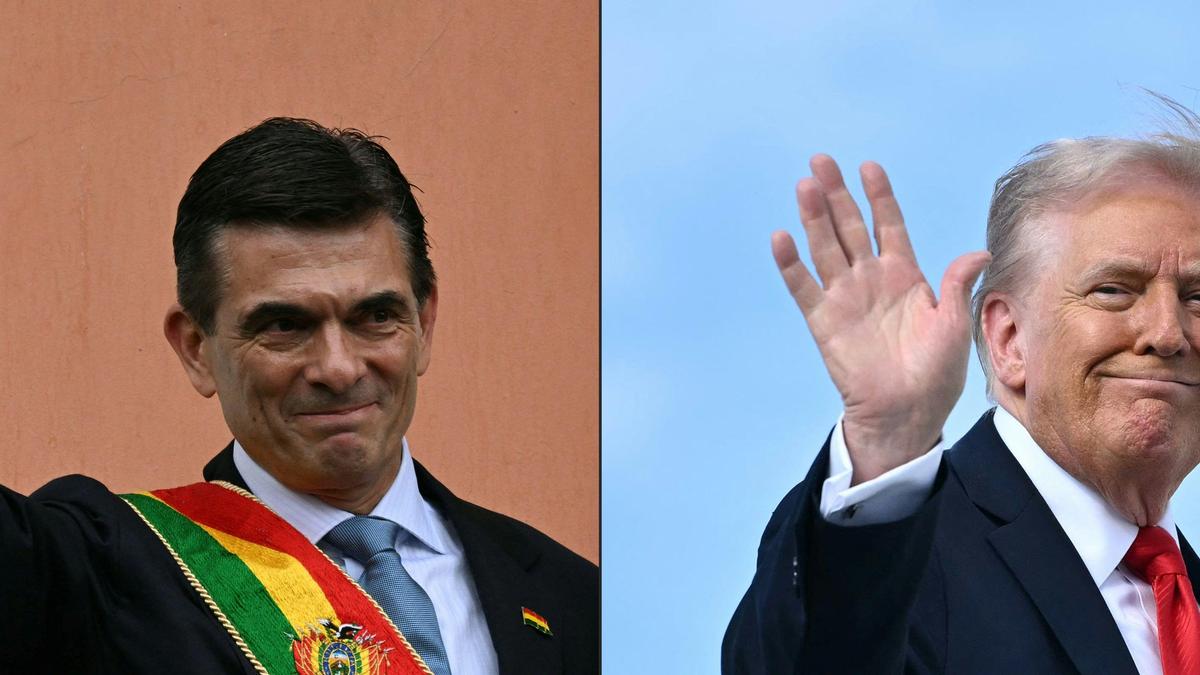
Fri Feb 06 04:28:33 UTC 2026: # US and Bolivia Move to Re-Establish Diplomatic Ties After Two Decades
The Story:
The United States and Bolivia are working towards reinstating their respective Ambassadors, signaling a potential end to nearly two decades of strained diplomatic relations. Foreign Minister Fernando Aramayo announced on Thursday, February 5, 2026, that discussions with U.S. Secretary of State Marco Rubio had resulted in an agreement to finalize the ambassadorial appointments “as soon as possible.” The diplomatic freeze began in 2008 when then-President Evo Morales expelled the U.S. Ambassador, accusing him of conspiracy, which led to the U.S. retaliating by expelling Bolivia’s Ambassador.
The move towards reconciliation comes after center-right President Rodrigo Paz assumed office in November 2025, and his administration is actively seeking closer ties with the United States. The previous left-wing governments of Evo Morales and Luis Arce had overseen a period of increasing distance between Bolivia and Western nations, including the United States.
Key Points:
- Bolivia and the United States are coordinating to reinstate Ambassadors after nearly 20 years.
- The diplomatic freeze started in 2008 following the expulsion of ambassadors by both countries.
- Foreign Minister Fernando Aramayo made the announcement after meeting with U.S. Secretary of State Marco Rubio on February 4, 2026.
- President Rodrigo Paz’s center-right government, which took office in November 2025, is pushing for closer ties with the U.S.
- Previous left-wing administrations had distanced Bolivia from the U.S. and other Western nations.
Critical Analysis:
The timing of this diplomatic thaw is noteworthy. The change in Bolivian leadership to a center-right government is the primary catalyst. This highlights the significant impact domestic political shifts can have on international relations. The eagerness of the Paz administration to re-engage with the U.S. suggests a potential shift in Bolivia’s foreign policy orientation, possibly seeking increased economic cooperation or security alliances with the West. The appointment happening only a few months into the presidential term underscores its strategic importance for the Paz government.
Key Takeaways:
- A shift in political ideology within a country can significantly alter its foreign policy.
- Reinstating ambassadors is often a critical step in normalizing strained diplomatic relations.
- The timing of diplomatic initiatives can be influenced by recent changes in government and leadership.
- Bolivia is signaling a desire for closer ties with the United States, potentially altering the regional geopolitical landscape.
- The historical context of past tensions and expulsions informs the significance of this potential reconciliation.
Impact Analysis:
The re-establishment of diplomatic ties between the U.S. and Bolivia could have several long-term implications. Economically, it could lead to increased trade and investment between the two nations. Politically, it might realign Bolivia’s foreign policy stance, potentially reducing its reliance on other regional actors and strengthening its ties with the West. Regionally, it could shift the balance of power in South America, impacting the influence of other nations. The return of ambassadors will likely lead to increased cooperation on issues such as drug trafficking, environmental protection, and economic development. This marks a significant turning point in U.S.-Bolivian relations, potentially setting the stage for a new era of cooperation and mutual understanding.
 First Piper