
Thu Feb 05 22:30:00 UTC 2026: Headline: Nuclear Arms Control in Disarray as New START Expires, Trump Seeks Broader Deal
The Story:
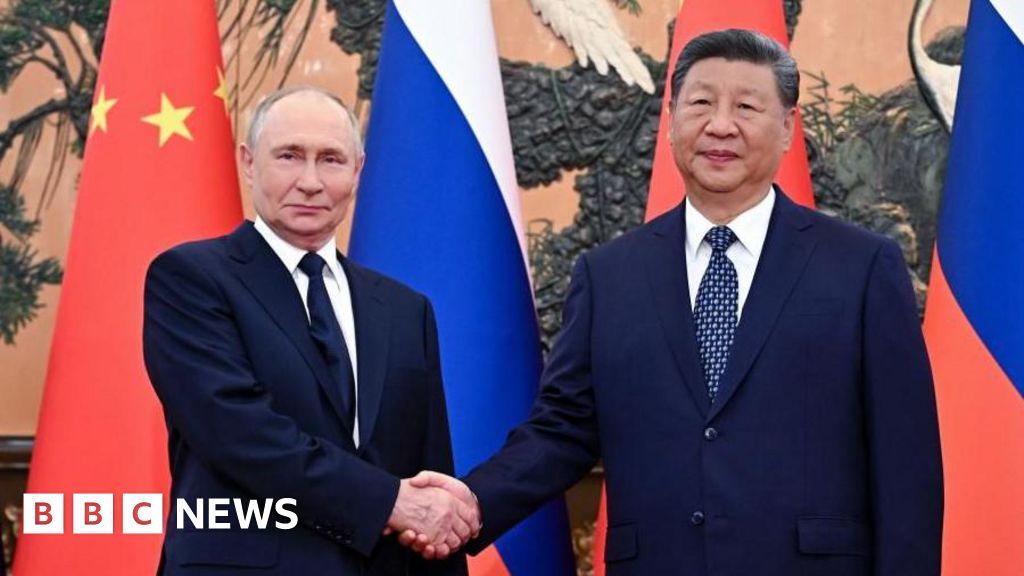
The New Strategic Arms Reduction Treaty (New START) between the US and Russia has expired, leaving the world’s two largest nuclear powers without major constraints on their arsenals for the first time since the beginning of the 21st century. President Trump is advocating for a new, modernized treaty that includes China, a move that could significantly complicate and delay any potential agreement. The expiration raises concerns about a potential nuclear arms buildup, especially given heightened tensions between the West, Russia, and China.
Key Points:
* The New START treaty, limiting deployed strategic nuclear warheads to 1,550 for the US and Russia, expired on February 5, 2026.
* Russia announced it is “no longer bound” by New START restrictions.
* President Trump insists that China must be included in any new arms control talks.
* China has stated it will not negotiate until the US and Russia reduce their nuclear arsenals.
* The US and Russia stopped conducting on-site inspections of each other’s nuclear weapons facilities in March 2020.
* Trump’s envoys, Steve Witkoff and Jared Kushner reportedly lead arms control negotiations with Russia during talks in Abu Dhabi on the Ukraine war.
Critical Analysis:
The historical context reveals a tense political landscape within the US government itself, and a pre-existing agreement between the US and Russia to “observe” the New START nuclear pact even after expiration. Trump’s insistence on including China, despite China’s unwillingness to negotiate under current conditions, suggests a deliberate strategy to either secure a comprehensive, albeit complex, arms control agreement or to have no agreement at all. This aligns with his “peacemaker” agenda and potential Nobel Peace Prize aspirations, but it also risks escalating tensions and triggering a new arms race. The existing agreement to observe the treaty suggests an understanding is possible, though that arrangement may not include transparent verification measures.
Key Takeaways:
* The expiration of New START creates a period of uncertainty and potential instability in nuclear arms control.
* President Trump’s push for a trilateral agreement involving China presents a significant challenge to future negotiations.
* The US-Russia relationship, already strained by the war in Ukraine, is further complicated by differing approaches to arms control.
* A temporary agreement adhering to the original treaty constraints is possible.
* The current arrangement may be less transparent.
Impact Analysis:
The failure to establish a new arms control treaty could lead to an unconstrained nuclear arms race between the US, Russia, and China. This would not only increase global tensions but also divert resources away from other pressing global challenges. The lack of verification mechanisms poses a significant risk, making it harder to monitor each other’s capabilities. The long-term implications of this situation could reshape global power dynamics and heighten the risk of nuclear conflict. The fact that the US and Russia still hold approximately 90% of the world’s nuclear weapons emphasizes the severity of the current situation.
 First Piper