
Fri Feb 06 12:36:11 UTC 2026: # Bangladesh Election Marred by Violence as Poll Date Nears
The Story:
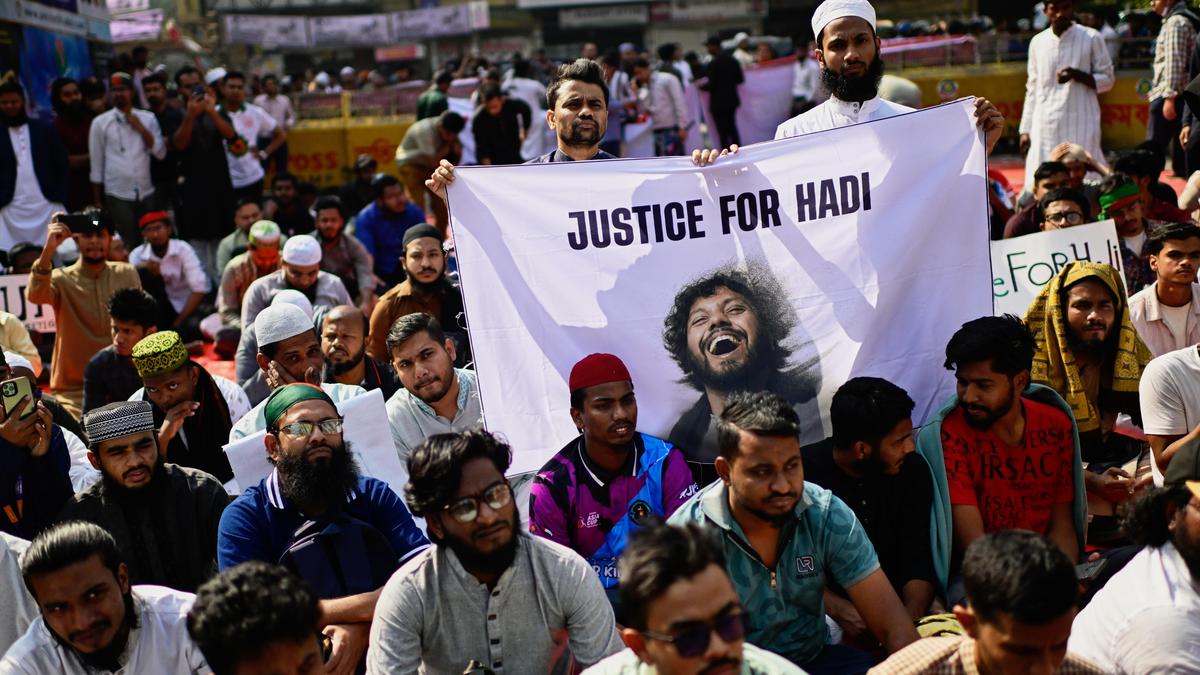
With national elections scheduled for February 12, 2026, Bangladesh is experiencing escalating political violence, threatening a peaceful transition from the interim government that took over after the ouster of former Prime Minister Sheikh Hasina in August 2024. Clashes between supporters of the Bangladesh Nationalist Party (BNP) and Jamaat-e-Islami, along with attacks on independent candidates and internal conflicts within the BNP, have resulted in numerous injuries and fatalities. Human rights organizations report alarming levels of violence in the lead-up to the election.
The unrest has dampened the hopes of first-time voters and raised concerns about voter turnout, especially among the elderly. As the election date approaches, political parties trade accusations, further fueling tensions. The interim government and Election Commission are facing criticism for their perceived inaction in addressing the escalating violence.
Key Points:
- Elections are scheduled for February 12, 2026.
- Clashes between BNP and Jamaat-e-Islami supporters have resulted in injuries and deaths.
- At least 15 political leaders and activists have been killed since December 11, 2025.
- Human Rights Support Society (HRSS) reports 195 people killed and 11,229 injured in political violence over the past 17 months.
- Odhikar reports 328 people killed and 9,182 injured in political violence between August 9, 2024, and December 31, 2025.
- Government employees staged protests in Dhaka demanding a new pay scale, resulting in police intervention.
- 900,000 security personnel, including over 100,000 military members, will be deployed to guard polling centers from February 8-14.
- Over half of the country’s 42,761 polling stations have been classified as “risky” and will receive heightened protection.
Critical Analysis:
The related historical context provides insights into the key political players involved and the circumstances leading up to the current crisis. The ouster of Sheikh Hasina and the rise and fall of her Awami League likely created a power vacuum and intensified competition among political parties. The article “Clashes Outside Muhammad Yunus’ House In Dhaka Ahead Of Bangladesh Polls” provides direct evidence of the unrest. This situation has created an environment ripe for violence and political instability.
Key Takeaways:
- The upcoming election is taking place in a highly volatile environment.
- The escalating violence threatens the integrity and credibility of the electoral process.
- The interim government and Election Commission are under pressure to take decisive action to ensure a peaceful election.
- Past experiences of violent elections in Bangladesh serve as a grim warning.
- The involvement of the army highlights the severity of the security situation.
Impact Analysis:
The pervasive violence surrounding the 2026 Bangladesh elections has potentially significant long-term implications:
- Democratic Backsliding: The violence could further erode public trust in democratic institutions and processes, potentially leading to increased political instability.
- International Scrutiny: The international community is likely to closely monitor the election and its aftermath, potentially leading to diplomatic pressure or sanctions if the process is deemed unfair or violent.
- Economic Impact: Political instability and violence can deter foreign investment and disrupt economic activity, negatively impacting Bangladesh’s development.
- Human Rights Concerns: The high number of casualties and injuries raises serious human rights concerns and could lead to increased scrutiny of the government’s human rights record.
- Increased Polarization: The escalating tensions between political parties could further polarize Bangladeshi society, making it more difficult to achieve political consensus and stability in the future.
 First Piper