
Fri Feb 06 04:50:00 UTC 2026: # Jet Stream Shift Promises Winter Relief for the East, Snow for the West
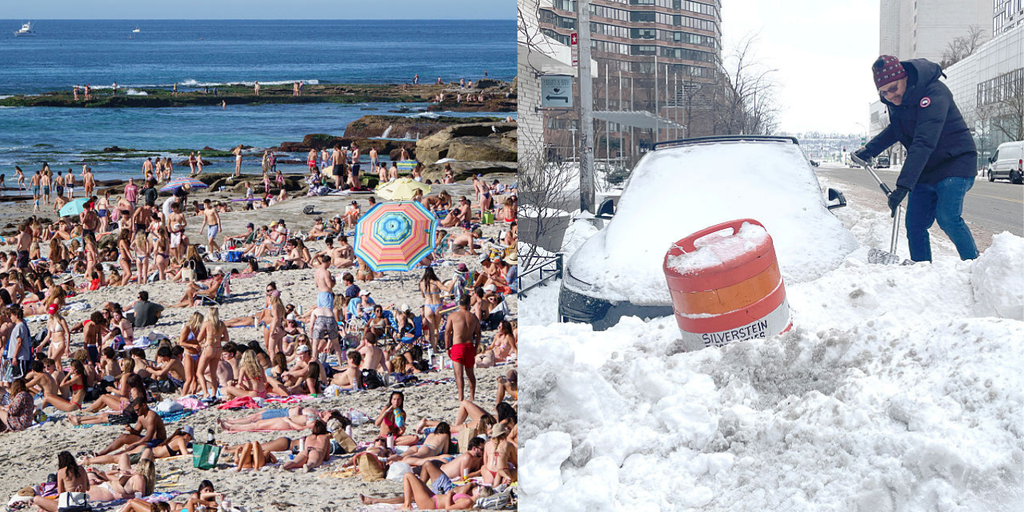
The Story: A significant change in weather patterns is expected to impact North America by mid-February. After weeks of unseasonable warmth in the West and frigid conditions in the East, a shifting jet stream will bring much-needed snow and rain to the West Coast and the Rockies. Simultaneously, the eastern U.S. is expected to experience relief from the polar vortex’s grip, as the jet stream shift will shield it from Arctic air.
Key Points:
- The eastern U.S. has been experiencing rounds of Arctic air and snow, while the West has been unseasonably warm, leading to snow drought in mountain ranges.
- A shift in the jet stream is expected by mid-February, bringing storms to the West Coast and Rockies.
- This shift will also cause the polar vortex to retreat further north, offering the East some relief.
- The Arctic Oscillation will tighten, further reducing the likelihood of extreme cold outbreaks in the East.
- Mountain snowpacks, crucial for water supply during summer, are significantly below average, especially in the Northern and Central Rockies.
- Salt Lake City is reporting only 0.1 inches of snow this season, almost 33 inches below average.
Key Takeaways:
- Weather patterns are inherently dynamic, and prolonged periods of extreme conditions are often followed by shifts in atmospheric circulation.
- The interplay between the jet stream, polar vortex, and Arctic Oscillation significantly influences regional weather conditions.
- Snowpack is a critical water resource, and deficits can have significant implications for agriculture and water availability in the West.
- Forecasting these shifts is crucial for mitigating the impacts of both extreme cold and drought conditions.
Impact Analysis:
- Economic Impact: The anticipated snowfall in the West could revitalize ski resorts and related tourism industries, while also contributing to long-term water security for agriculture. Conversely, businesses in the East may see reduced heating costs and fewer weather-related disruptions.
- Environmental Impact: A replenished snowpack is vital for mitigating drought conditions and maintaining healthy ecosystems in the West. The shift also reduces the energy consumption with the reduced heating in the East.
- Societal Impact: Reduced winter hazards will alleviate stress on infrastructure and emergency services in the East, while adequate snowpack will support recreational activities and water resources for communities in the West.
 First Piper