
Fri Feb 06 06:11:41 UTC 2026: ### Lok Sabha Adjourned Amidst Opposition Protests; Speaker Expresses Concern Over Wasted House Time
The Story:
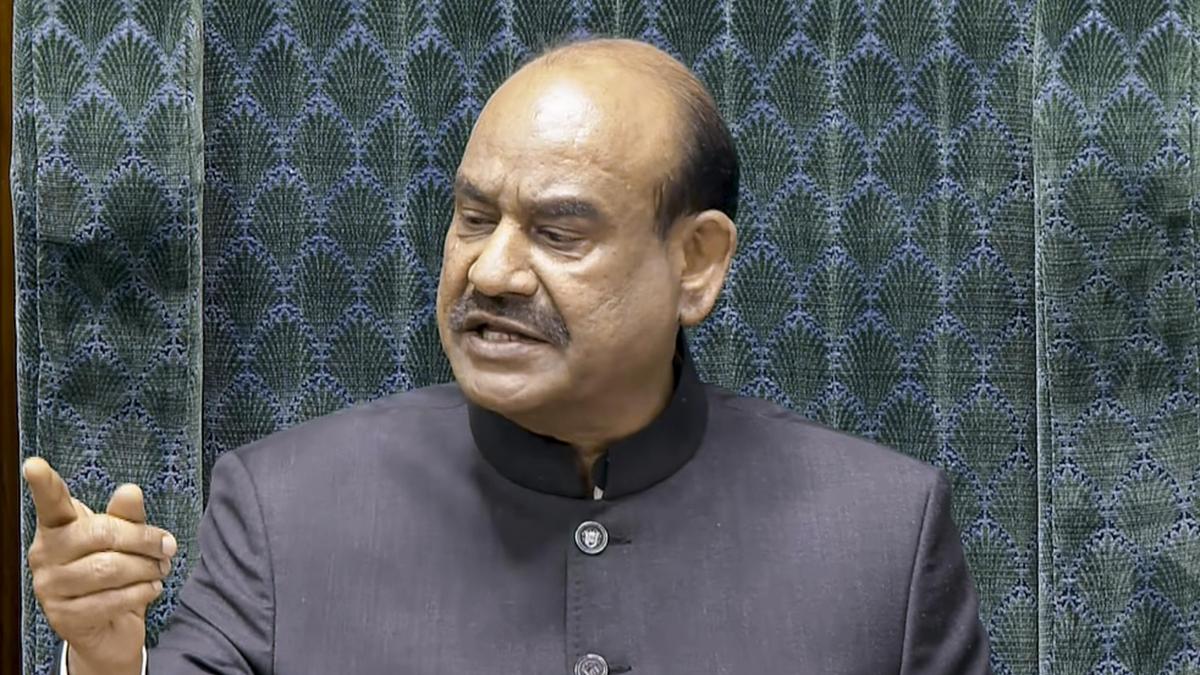
The Lok Sabha was adjourned until noon on February 6, 2026, shortly after resuming proceedings due to disruptive protests by Opposition members. These members entered the Well of the House, chanting slogans and displaying placards. Speaker Om Birla reprimanded the MPs for their behavior, stating that 19 hours and 13 minutes of the Budget Session have been lost due to disruptions. The House was scheduled to begin general discussion on the Union Budget for 2026-27. The Prime Minister’s absence from the customary reply to the Motion of Thanks in Lok Sabha, as well as concerns over the Indo-U.S. trade deal, appear to be key catalysts for the opposition’s unrest.
Key Points:
- Lok Sabha adjourned until noon due to Opposition protests on February 6, 2026.
- Speaker Om Birla criticized the Opposition for wasting 19 hours and 13 minutes of the Budget Session.
- Opposition members protested in the Well of the House, displaying placards and shouting slogans.
- The House was scheduled to discuss the Union Budget for 2026-27.
- Prime Minister Narendra Modi did not deliver the customary reply to the Motion of Thanks in the Lok Sabha.
- Congress MP K.C. Venugopal questioned the “procedural irregularities” of the Prime Minister not responding.
- Speaker Om Birla stated he advised PM Modi not to attend the Wednesday session (February 4, 2026) due to anticipated unprecedented protests.
- Several Private Members’ Bills are listed for introduction, covering a wide range of topics.
Critical Analysis:
The adjournment of the Lok Sabha and the stated reasons behind it reveal a deeply divided political climate. The Opposition’s actions, while disruptive, appear to be fueled by concerns regarding the Indo-U.S. trade deal and the perceived bypassing of parliamentary norms. The Speaker’s preemptive measure of advising the Prime Minister to stay away from the House suggests a proactive strategy to avoid escalations, although it could also be interpreted as an admission of inability to maintain order. The rising tensions and accusations of procedural irregularities hint at a growing distrust between the ruling party and the Opposition, which could hamper effective governance and legislative progress. The fact that the RBI kept repo rates unchanged, shows some stability amidst the unrest, but the overall picture points towards a turbulent budget session.
Key Takeaways:
- Parliamentary proceedings are significantly disrupted due to political disagreements.
- Concerns over trade deals and adherence to parliamentary procedures are major points of contention.
- There is a palpable lack of trust and cooperation between the ruling party and the Opposition.
- The Speaker is actively attempting to manage disruptions, albeit with limited success.
- Important discussions on the Union Budget and Private Member’s Bills are at risk of being overshadowed by the ongoing turmoil.
Impact Analysis:
The continuous disruptions in the Lok Sabha have several potential long-term impacts. Firstly, they undermine the public’s faith in the democratic process and the ability of elected representatives to address critical issues. Secondly, the stalled legislative agenda can delay crucial reforms and policies related to the economy, healthcare, and social welfare. Thirdly, the increasing polarization could lead to further political instability and hinder the government’s ability to govern effectively. The implications stretch beyond immediate legislative delays; prolonged disruptions can damage India’s image as a stable and functioning democracy on the international stage and affect investor confidence. The current pattern of escalating tension and procedural conflict requires careful management to prevent lasting damage to India’s parliamentary democracy.
 First Piper