
Fri Feb 06 06:26:04 UTC 2026: # Lok Sabha Adjourned Amidst Opposition Protests During Budget Session
The Story:
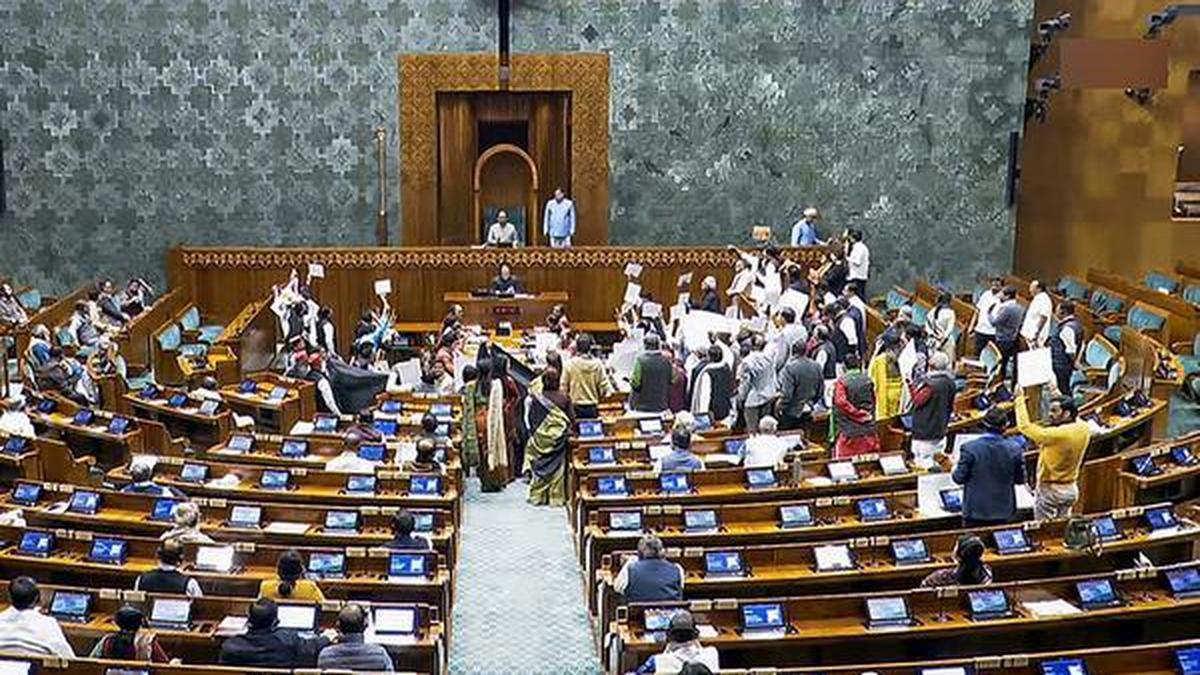
The Lok Sabha was adjourned until noon on February 6, 2026, due to disruptive protests by opposition members. The members entered the Well of the House, shouting slogans and displaying placards concerning various issues. Speaker Om Birla expressed his displeasure, stating that 19 hours and 13 minutes had already been lost due to disruptions during the current session. He urged the protesting members to allow the House to function, noting that Congress MP Priyanka Gandhi had a question scheduled.
Tensions between the government and the opposition have been escalating. In an unusual move, the Motion of Thanks was passed on February 5, 2026, without the Prime Minister’s customary reply due to persistent opposition sloganeering.
Key Points:
- The Lok Sabha was adjourned on February 6, 2026, due to opposition protests.
- Speaker Om Birla reported 19 hours and 13 minutes of wasted time due to disruptions.
- The opposition protested by entering the Well of the House, shouting slogans, and displaying placards.
- The Motion of Thanks was passed on February 5, 2026, without the Prime Minister’s reply due to the protests.
- Congress MP Priyanka Gandhi had a question scheduled.
Key Takeaways:
- The Indian Parliament is experiencing significant disruption due to increasing political tensions between the ruling government and the opposition.
- The opposition is employing disruptive tactics to voice their concerns, impacting parliamentary proceedings.
- The adjournment of the House and the skipped Prime Minister’s reply indicate a breakdown in customary parliamentary procedures.
- The Speaker is struggling to maintain order and facilitate productive debate.
Impact Analysis:
Continued disruptions could further erode public trust in the parliamentary process. The inability to conduct regular legislative business can delay crucial policy decisions and potentially impact the country’s economic and social progress. The breakdown in established parliamentary norms also sets a concerning precedent for future sessions. The public may also view the MPs in a negative light, for not completing their jobs as elected officials.
 First Piper