
Thu Feb 05 18:26:17 UTC 2026: ### Headline: Tamil Nadu Minister’s Remarks on North Indian Migrants Spark Political Firestorm
The Story:
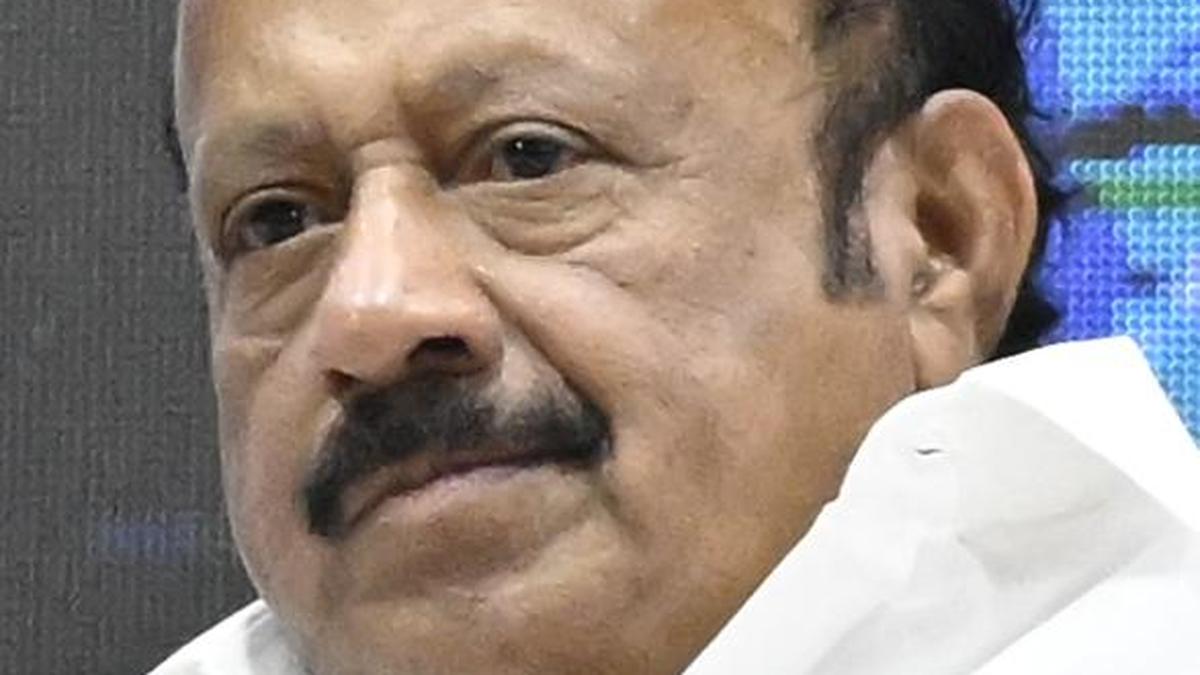
On February 5, 2026, Tamil Nadu Agriculture Minister M.R.K. Panneerselvam ignited a political controversy with comments made during a public address in Mathuranthakam, Chengalpattu district, regarding North Indian migrants in the state. Panneerselvam’s remarks, contrasting the educational progress of Tamil Nadu’s youth with the types of jobs migrants typically undertake, drew immediate condemnation from opposition parties, particularly the BJP and AIADMK. The ruling DMK defended the minister, attributing his statements to highlighting disparities in development and educational opportunities between Tamil Nadu and BJP-ruled states.
The controversy unfolds against a backdrop of reported hostility towards migrants in Tamil Nadu, with opposition parties citing instances of violence and discrimination. The BJP has accused the DMK of deliberately inciting hatred to polarize the electorate, while the AIADMK criticized the state government for failing to provide a safe environment for migrant workers contributing to Tamil Nadu’s economy.
Key Points:
- M.R.K. Panneerselvam, Tamil Nadu Agriculture Minister, stated that North Indians come to Tamil Nadu to “sell panipuri, work in construction, and wipe tables.”
- The BJP and AIADMK strongly condemned the remarks, accusing the DMK of inciting hatred and failing to protect migrant workers.
- The DMK defended the Minister, stating he was highlighting the lack of educational and employment opportunities in BJP-ruled states that force people to migrate.
- BJP Tamil Nadu chief Nainar Nagenthran called the speech “arrogant” and demanded a public apology, invoking Tamil heritage of equality and brotherhood.
- The controversy follows previous instances of reported hostility toward migrants in Tamil Nadu.
Critical Analysis:
The remarks made by M.R.K. Panneerselvam appear to be an attempt by the DMK to deflect criticism towards BJP-ruled states by attributing the migration of North Indians to Tamil Nadu to the BJP’s failures in governance and education. This strategy aims to portray Tamil Nadu as a more progressive and inclusive state. However, the opposition’s focus on instances of violence against migrants suggests an attempt to highlight the hypocrisy in the DMK’s claims. This plays on sentiments of regionalism, a recurring theme in Tamil Nadu politics, and serves to mobilize their respective bases.
Key Takeaways:
- The controversy highlights the sensitive issue of inter-state migration and regional disparities in India.
- Political parties are leveraging the issue to advance their agendas and mobilize their voter bases.
- The incident underscores the potential for inflammatory rhetoric to exacerbate social tensions and incite violence against vulnerable populations.
- The DMK and BJP appear to be in a battle for narrative control concerning the welfare and treatment of migrant workers.
- The controversy could have significant implications for the upcoming Assembly elections, as the issue of regionalism is being prominently highlighted.
Impact Analysis:
The long-term impact of this event could be significant, potentially further straining inter-state relations and impacting the social fabric of Tamil Nadu. The controversy could also influence the upcoming Assembly elections, as the issue of regionalism and the treatment of migrant workers may sway voters. Moreover, the incident could lead to increased scrutiny of state policies regarding migrant workers and a renewed focus on ensuring their safety and welfare.
 First Piper