
Thu Feb 05 15:57:03 UTC 2026: ### Nigeria Reels After Attack Leaves 162 Dead; Military Response Intensifies
The Story:
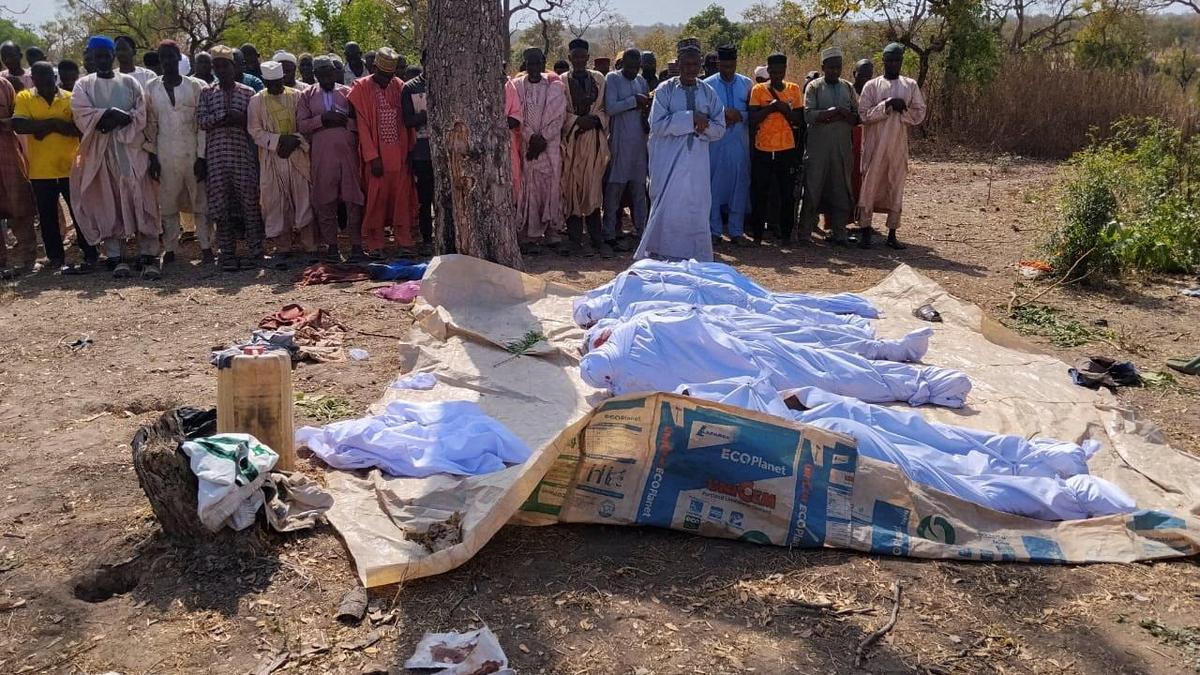
A devastating attack on February 4, 2026, in Woro village, Kwara State, Nigeria, has left at least 162 people dead, marking one of the deadliest incidents in recent months. Gunmen targeted the community, burning shops, homes, and the traditional ruler’s residence. The attack follows recent military operations in the area targeting “terrorist elements.” President Bola Ahmed Tinubu has deployed an army battalion to secure the affected region.
Key Points:
- At least 162 people were killed in the attack on Woro village in Kwara State.
- The attack occurred on February 4, 2026.
- President Tinubu attributed the attack to Boko Haram jihadists, while the state government blamed “terrorist cells.”
- The attack targeted villagers who allegedly rejected the jihadists’ ideology.
- The Nigerian military has intensified operations against jihadists and armed bandits in the region.
- A separate attack in Katsina state resulted in 23 civilian deaths, allegedly in reprisal for air force operations.
- Al-Qaeda affiliated Group for the Support of Islam and Muslims (JNIM) claimed responsibility for its first attack in Nigeria, in Kwara state, last year.
- U.S. President Donald Trump previously alleged a “genocide” of Nigerian Christians, a claim widely disputed.
Critical Analysis:
While President Tinubu immediately blamed Boko Haram for the Kwara state attack, the report mentions JNIM activity in the same area last year. The article notes Researcher Brant Philip suggested the JNIM attack occurred very near the site of the Boko Haram raid, suggesting a “direct overlap” between JNIM and Boko Haram, with the groups appearing to have a “loose alliance”. The military operations against jihadists and the armed bandits may be a sign of the rise of terrorist groups, with the possibility of loose alliance of different groups in Nigeria.
Key Takeaways:
- The security situation in Nigeria remains volatile, with various armed groups operating in different regions.
- Attacks on civilian populations continue despite increased military presence and operations.
- Conflicting reports and claims regarding responsibility for attacks complicate the understanding and resolution of the conflict.
- The international narrative surrounding the conflict is also contested, as seen with the disagreement over Trump’s “genocide” claim.
- The government’s response, including military deployment and condemnation, highlights the severity of the situation and the need for a more comprehensive security strategy.
Impact Analysis:
- The attacks are likely to exacerbate existing tensions between communities and fuel further cycles of violence.
- The deployment of military forces could lead to further human rights concerns if not conducted with proper oversight and accountability.
- The incident may prompt a re-evaluation of counter-terrorism strategies and resource allocation by the Nigerian government and international partners.
- The instability in Nigeria could have broader regional implications, particularly given the presence of transnational terrorist groups like JNIM.
- The long-term impact on the affected communities includes displacement, economic hardship, and psychological trauma.
 First Piper