
Thu Feb 05 21:40:00 UTC 2026: ### Headline: Overtourism Forces Cancellation of Mount Fuji Cherry Blossom Festival
The Story:
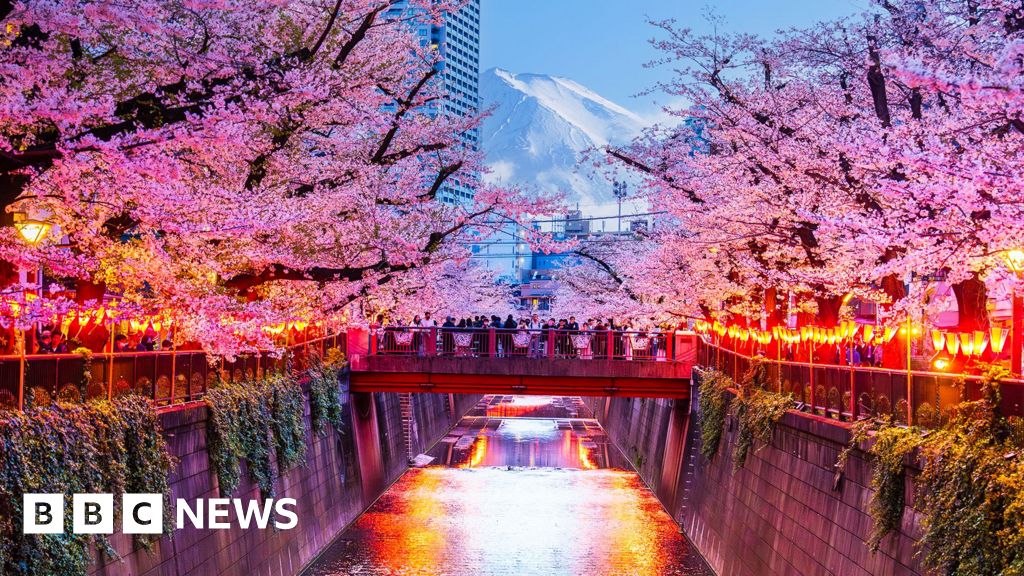
The annual cherry blossom festival in Fujiyoshida, a town renowned for its picturesque views of Mount Fuji with cherry blossoms, has been canceled for 2026. Mayor Shigeru Horiuchi announced the decision, citing a surge in tourist numbers that has become unmanageable and detrimental to the local community. The influx has led to traffic congestion, littering, and incidents of trespassing and unsanitary behavior by tourists.
The festival, which began in April 2016 with the opening of Arakurayama Sengen Park, aimed to boost tourism and create a lively atmosphere. However, the overwhelming increase in visitors, now reaching 10,000 daily during peak season, driven by a weak yen and social media popularity, has created overtourism, severely impacting the residents’ quality of life.
Key Points:
- The cherry blossom festival in Fujiyoshida has been canceled for 2026 due to overtourism.
- The town experiences around 10,000 visitors daily during the peak blossom season.
- Tourists are accused of trespassing, littering, and inappropriate behavior.
- The influx is attributed to a weak yen and social media promotion.
- The festival started in April 2016 to enhance tourism.
- Similar measures have been taken in Fujikawaguchiko with barriers to deter tourists.
- Other destinations, such as Rome and Venice, are also introducing fees to manage tourism.
Critical Analysis:
The cancellation highlights a growing problem of overtourism in popular destinations. While initially designed to boost the local economy, the cherry blossom festival, fueled by social media and economic factors, has become a victim of its own success. The negative impacts on the local environment and residents’ lives have forced authorities to prioritize the well-being of their citizens over the potential economic benefits of tourism. The previous attempt in Fujikawaguchiko to block photo spots, combined with this cancellation, indicates a reactive rather than proactive approach to managing tourist influx.
Key Takeaways:
- Overtourism can have significant negative impacts on local communities and the environment.
- Social media and economic factors can exacerbate tourism-related problems.
- Reactive measures, like cancellations, may be necessary when tourism becomes unmanageable.
- Sustainable tourism strategies are needed to balance economic benefits with the well-being of local residents.
- Cities must consider infrastructure and resource limitations when promoting tourism.
Impact Analysis:
The cancellation could have both short-term and long-term impacts. In the short term, local businesses relying on tourist revenue may suffer. However, in the long term, this decision could spur the development of more sustainable tourism strategies that prioritize the local community. The event series may also influence other popular tourist destinations in Japan and globally to proactively manage tourist influx and mitigate negative impacts. The measures taken by Rome and Venice support the argument that a paradigm shift in the approach to tourism is occurring, moving away from unchecked promotion toward more controlled and responsible practices.
 First Piper