
Thu Feb 05 15:23:46 UTC 2026: ### Iran and U.S. to Resume Nuclear Talks Amidst Tensions in Persian Gulf
The Story:
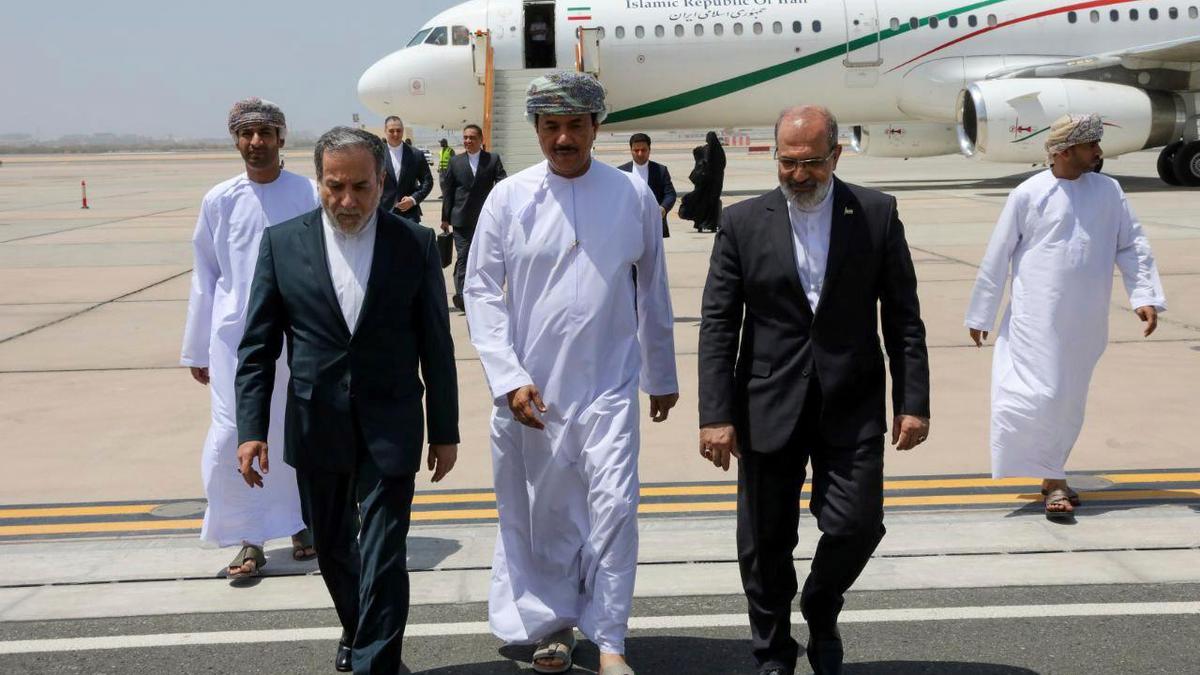
After weeks of heightened military tensions in the Persian Gulf, Iran has confirmed that it will hold nuclear talks with the U.S. in Muscat, Oman, on February 6, 2026. The talks follow a period of escalating conflict, including an Israeli attack on Iran in June 2025 and subsequent U.S. military involvement, which led to the suspension of diplomatic efforts. Both sides have acknowledged significant disagreements regarding the scope of the talks, with Iran seeking to focus solely on its nuclear program, while the U.S. aims to include discussions on ballistic missiles and regional militia support.
Key Points:
* Nuclear talks between Iran and the U.S. are scheduled for February 6, 2026, in Muscat, Oman.
* Iran’s delegation will be led by Foreign Minister Abbas Araghchi, while the U.S. will be represented by special envoy Steve Witkoff.
* The format of the talks is intended to mirror previous rounds before the June 2025 U.S.-Israeli war on Iran.
* The U.S. wants the talks to include Iran’s ballistic missile production and support for militia groups, while Iran wants to focus only on its nuclear program.
* U.S. Secretary of State Marco Rubio has stated that holding talks does not legitimize the Iranian government and emphasized the difference between the Iranian regime and its people.
* Recent tensions include live-fire drills by Iran near the Strait of Hormuz, the shooting down of an Iranian drone by the U.S., and foiled attempts by Iranian boats to seize a U.S.-flagged ship.
Critical Analysis:
The resumption of talks, despite deep-seated disagreements and recent military incidents, suggests a mutual desire to avoid further escalation. The U.S., under the Trump administration, seems to be pursuing a strategy of “maximum pressure” combined with diplomatic engagement, while Iran, facing economic hardship and regional isolation, may be compelled to negotiate despite its grievances. The mention of the “unlawful U.S.-Israeli war on Iran” in Iranian state media highlights the deep distrust and resentment that continues to plague the relationship. The related context indicates that the US is pressuring other countries like China to break ties with Iran ahead of these talks, potentially increasing the pressure on Iran to compromise.
Key Takeaways:
* The talks represent a fragile opportunity to de-escalate tensions in the Persian Gulf.
* Significant disagreements over the scope of the talks pose a major obstacle to progress.
* The resumption of talks reflects a complex interplay of pressure, diplomacy, and strategic calculation on both sides.
* Past events, particularly the U.S.-Israeli war on Iran, continue to cast a long shadow over the negotiations.
* The involvement of Oman as a mediator underscores its role as a neutral facilitator in regional conflicts.
Impact Analysis:
The outcome of these talks will have significant long-term implications for regional stability, nuclear non-proliferation, and U.S.-Iranian relations. Failure to reach a meaningful agreement could lead to further military escalation and a potential wider conflict. Conversely, successful negotiations could pave the way for a new security architecture in the Persian Gulf and a re-entry of Iran into the international community. The level of pressure the US is putting on Iran ahead of the talks, as evidenced by the article related to China, suggests the US is taking a hardline stance and a potential failure of these talks may lead to further escalations.
 First Piper