
Fri Feb 06 04:02:41 UTC 2026: # Iran and US Poised for Nuclear Talks in Oman After Tense Week
The Story:
Despite a week of escalating tensions, including threats from President Donald Trump, Iran and the United States are set to begin negotiations in Oman on Friday, February 6, 2026, focused on Tehran’s nuclear program. These talks follow a period of heightened conflict, most notably Israel’s June 2025 war against Iran, during which U.S. forces bombed Iranian nuclear sites. The internal political situation in Iran, marked by widespread protests against Supreme Leader Ayatollah Ali Khamenei, and the subsequent violent crackdown, have further complicated the situation, placing increased pressure on the Iranian regime.
Key Points:
- Talks are to be held in Muscat, Oman, after initial plans for talks in Turkiye fell through.
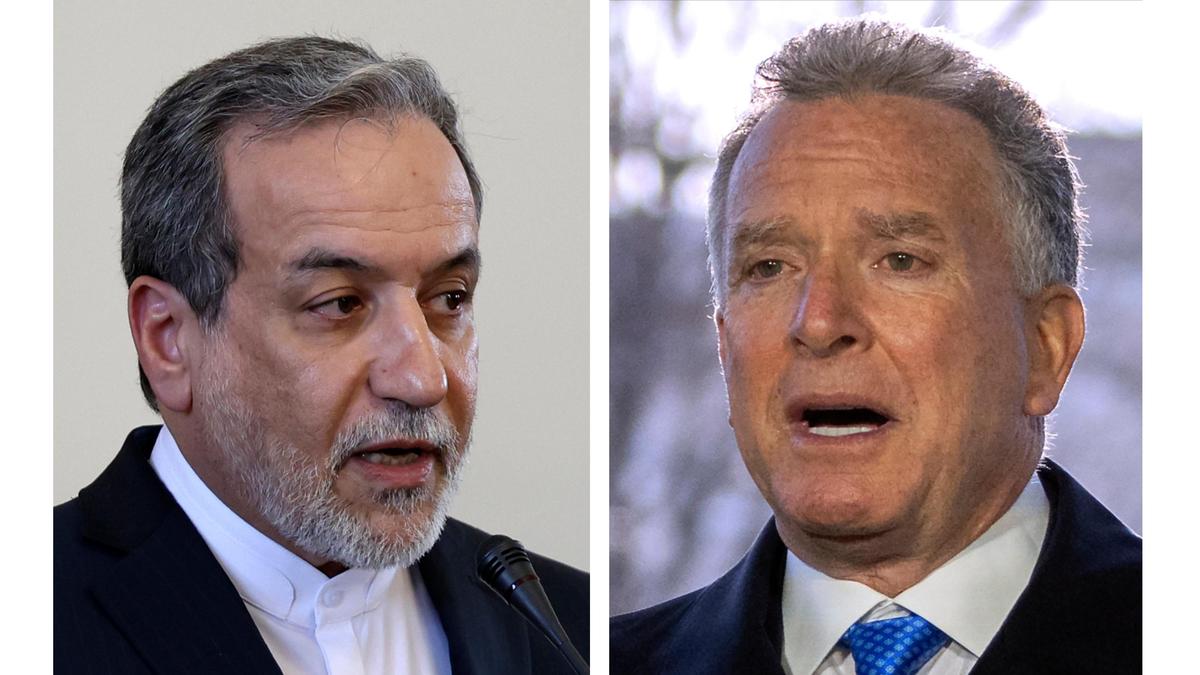
- The U.S. delegation is led by Steve Witkoff, Trump’s special envoy, and includes Jared Kushner.
- The Iranian delegation is led by Foreign Minister Abbas Araghchi.
- The U.S. is deploying significant military assets, including the USS Abraham Lincoln, in the region.
- Iran faces internal turmoil following widespread protests.
- Other countries, including Egypt, Turkiye, and Qatar, have presented proposals for Iran to halt enrichment.
- Secretary of State Marco Rubio insists talks must include ballistic missiles and support for terrorist organizations, among other issues.
Critical Analysis:
The timing of these talks is critical. The internal unrest in Iran, coupled with the demonstrated military capabilities of the U.S. and Israel, significantly weakens Iran’s negotiating position. Trump appears to be leveraging this vulnerability to extract concessions on the nuclear program and other contentious issues. The inclusion of Jared Kushner in the U.S. delegation suggests a broader strategic agenda beyond just the nuclear issue, potentially encompassing regional security and geopolitical realignment. The prior trilateral talks with Russia and Ukraine, also attended by Kushner, indicate a pattern of using unconventional diplomacy to address complex international challenges.
Key Takeaways:
- Iran is entering these negotiations from a position of relative weakness due to internal instability and external military pressure.
- The U.S. aims to secure a more comprehensive agreement than the original nuclear deal.
- Regional powers are actively attempting to mediate and influence the outcome of the talks.
- The success of the talks hinges on Iran’s willingness to compromise on its nuclear program, ballistic missiles, and regional influence.
- The heavy U.S. military presence underscores the threat of potential military action if negotiations fail.
Impact Analysis:
The outcome of these negotiations will have significant long-term implications for regional stability and international security. A successful agreement could de-escalate tensions, prevent further conflict, and potentially pave the way for improved relations between Iran and the United States. Conversely, a failure could lead to renewed military confrontation, further destabilizing the Middle East and triggering a wider conflict. The inclusion of issues beyond the nuclear program, such as ballistic missiles and regional proxies, suggests that the Trump administration is seeking a fundamental shift in Iran’s foreign policy, which, if achieved, would reshape the geopolitical landscape of the region.
 First Piper