
Fri Feb 06 06:21:52 UTC 2026: Headline: Contract Teachers in Puducherry Renew Protests Amid National Movement for Job Regularization
The Story:
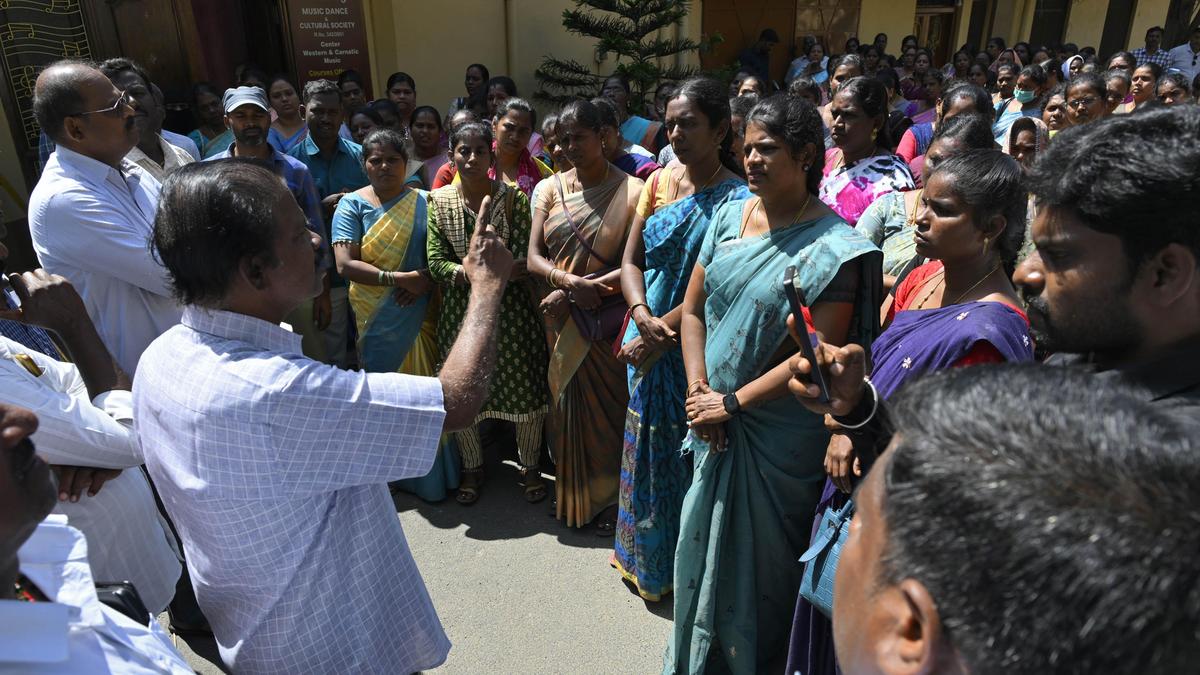
Contract teachers in Puducherry are again protesting for the regularization of their jobs, highlighting a persistent issue across India. On February 3, 2026, their march towards the Assembly was halted by police. This follows a sit-in protest less than a year ago where they were reassured by Chief Minister N. Rangasamy regarding the government’s commitment. Despite promises and statements made in November 2025 by Home and Education Minister A. Namassivayam about regularizing 292 contract teachers, the situation remains unresolved, leading to renewed demonstrations.
Key Points:
- Contract teachers in Puducherry protested for job regularization on February 3, 2026.
- Previous assurances from the Chief Minister and announcements from the Home and Education Minister in November 2025 have not materialized.
- The Puducherry protest is part of a larger national trend involving contract teachers in states like Uttar Pradesh, Bihar, Andhra Pradesh, Delhi, and Jharkhand.
- Contract teachers, comprising about 16% of India’s school teacher workforce (over 16 lakh teachers), are often paid significantly less than regular teachers.
- In about 21% of private schools, at least half of the workforce consists of contract or part-time teachers, while this figure is close to 8% for State government schools (over 77,000 schools).
- The Punjab and Haryana High Court ordered the regularisation of Chandigarh teachers appointed under the Sarva Shiksha Abhiyan with more than 10 years of service in November 14, 2025.
Critical Analysis:
The failure of the Puducherry government to deliver on its promises, despite prior assurances and announcements, is the immediate trigger for the renewed protests. This inaction fuels distrust among the contract teachers, perpetuating the cycle of protests and promises. Furthermore, the fact that the Punjab and Haryana High Court ruled in favor of regularizing teachers appointed under the Sarva Shiksha Abhiyan, with more than 10 years of service, further emboldens teachers across the country.
Key Takeaways:
- The issue of contract teachers remains a significant challenge in India’s education system, marked by unfulfilled promises and job insecurity.
- Financial constraints likely contribute to the continued reliance on contract teachers by state governments, despite the long-term impact on teacher morale and quality of education.
- Legal precedents, like the Punjab and Haryana High Court ruling, are influencing the demands and strategies of contract teachers nationwide.
- The lack of job security and lower wages compared to regular teachers could negatively impact the quality of teaching and the overall learning environment for students.
- The concentration of contract teachers in northeastern states highlights regional disparities in education and resource allocation.
Impact Analysis:
The ongoing struggle of contract teachers for regularization has significant long-term implications for India’s education system:
- Teacher Motivation and Retention: The lack of job security and lower pay can lead to decreased motivation among teachers and higher turnover rates, impacting the continuity and quality of education.
- Education Quality: Over-reliance on contract teachers may lead to a decline in education quality due to inadequate training, experience, and job satisfaction compared to regular teachers.
- Social Equity: Disparities in teacher compensation and job security can exacerbate existing social inequalities, particularly in regions with a higher reliance on contract teachers.
- Government Finances: While hiring contract teachers may seem cost-effective in the short term, the long-term social and economic costs of a demotivated and transient teaching workforce could outweigh the financial benefits.
- Policy Reforms: Continued protests and legal challenges may force governments to revisit their policies regarding contract teachers and explore sustainable solutions for regularizing their jobs and improving their working conditions.
 First Piper