
Fri Feb 06 01:33:58 UTC 2026: ### Headline: Supreme Court Quashes Rape FIR, Cites Consensual Relationship Gone Sour
The Story
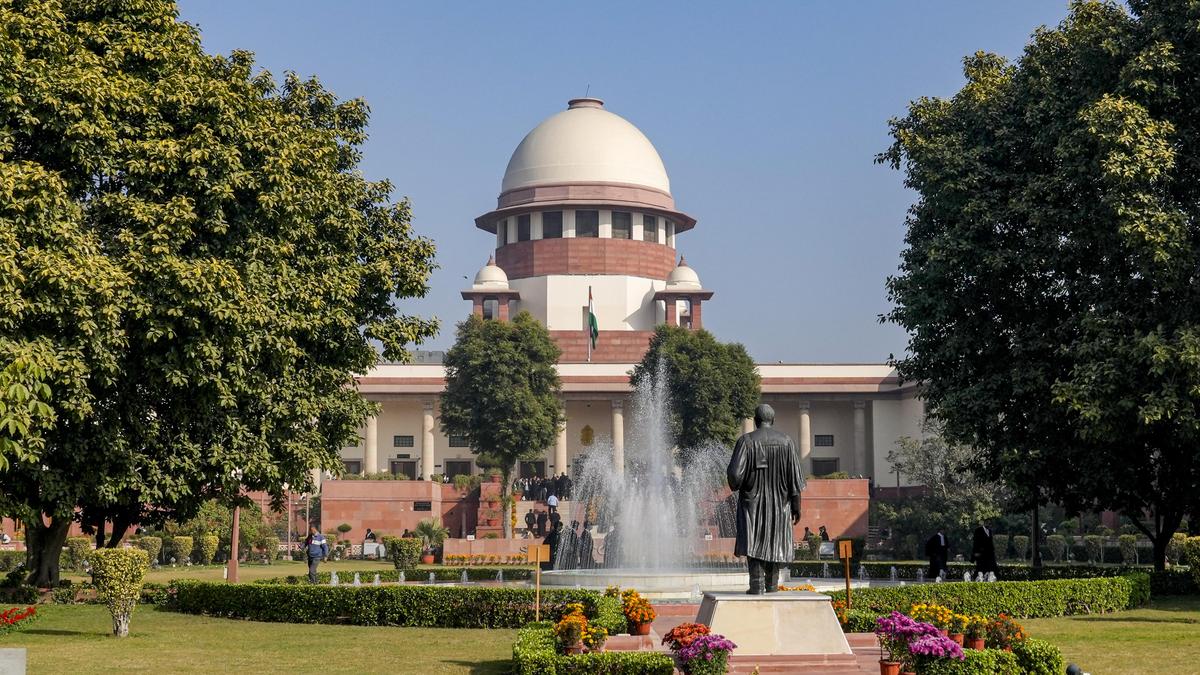
On February 5, 2026, the Supreme Court of India overturned a Chhattisgarh High Court ruling, effectively quashing an FIR alleging rape on the false pretext of marriage. Justices B.V. Nagarathna and Ujjal Bhuyan presiding over the case, emphasized that the relationship between the complainant and the accused was consensual and that the State should not be involved in personal disputes that have turned acrimonious. The court highlighted the need for caution in prosecuting cases under Section 376(2)(n) of the Indian Penal Code (IPC), which deals with repeat rape offenses, to prevent misuse in cases of failed relationships.
The court emphasized that, the complainant, a 33-year-old lawyer, was aware of the legal prohibition against bigamous unions, as divorce proceedings between her and her husband were pending during the alleged period. The court determined that the complainant should have exercised better judgement, especially as a legal professional, before involving the state machinery in what was essentially a personal dispute.
Key Points
- The Supreme Court quashed an FIR alleging rape on the false pretext of marriage.
- The case involved two lawyers, with the complainant being a 33-year-old married woman.
- The court emphasized that consensual relationships turning sour should not be treated as rape.
- The court referred to earlier verdicts highlighting the misuse of rape allegations in failed relationships.
- The complainant’s marital status was a key factor in the court’s decision, as she was knowingly in a pending divorce.
- The court stated that the complainant, being a lawyer, should have known bigamy is illegal under Indian Law.
Key Takeaways
- The Supreme Court is actively working to prevent the misuse of rape laws in cases of consensual relationships.
- The court emphasized the need for prudence and discretion in personal relationships, particularly regarding legal professionals.
- Marital status plays a significant role in determining consent and the validity of rape allegations in the context of promises to marry.
- The judiciary is increasingly cautious of cases where personal disputes are given a criminal color.
- This ruling reinforces the importance of evidence and intent in rape cases, particularly those involving alleged false promises of marriage.
 First Piper