
Thu Feb 05 12:53:57 UTC 2026: ### Arms Treaty Expiration Sparks Global Concern, China Urges US-Russia Dialogue
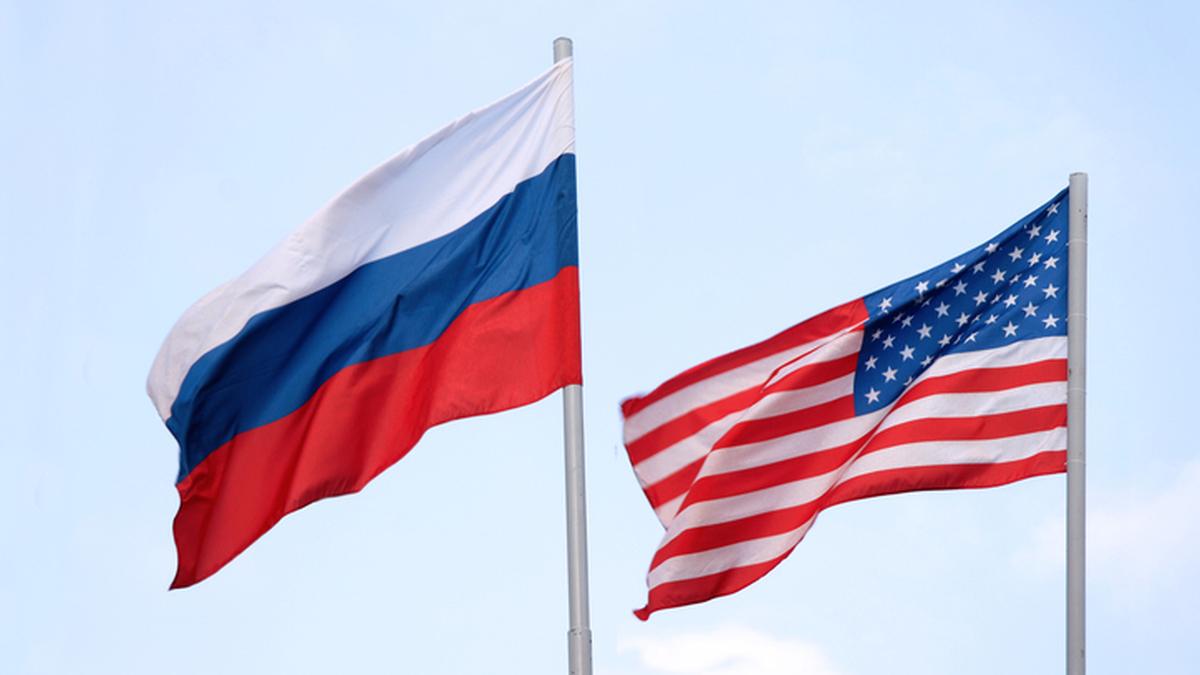
The Story: The New START treaty between the U.S. and Russia, which limited strategic nuclear weapons, expired on February 4, 2026, ending over half a century of arms control agreements. This event has prompted international concern, with China expressing regret and urging the U.S. to resume dialogue with Russia on strategic stability. Russia has stated its openness to security talks while also vowing to counter any new threats.
Key Points:
- The New START treaty between the U.S. and Russia expired on February 4, 2026.
- China regrets the expiration and calls on the U.S. to resume strategic stability dialogue with Russia.
- China reiterates its commitment to a self-defense nuclear strategy, no first use of nuclear weapons, and non-use against non-nuclear states.
- China maintains its nuclear arsenal is far smaller than those of the U.S. and Russia and will not participate in bilateral arms reduction talks.
- The White House stated President Donald Trump will decide the way forward on nuclear arms control.
Critical Analysis:
The expiration of the New START treaty occurs against a backdrop of heightened geopolitical tensions, including the ongoing conflict between Russia and Ukraine. The fact that China is now publicly urging the U.S. to engage in dialogue with Russia indicates its growing concern over global strategic stability and its willingness to play a more active diplomatic role. The reference to Ukrainian shelling in Russia’s Belgorod region in the related historical context amplifies the sense of instability in the region. The absence of concrete alternatives to the treaty raises questions about the future of nuclear arms control and the potential for an accelerated arms race.
Key Takeaways:
- The expiration of the New START treaty signifies a potential weakening of the international nuclear arms control regime.
- China is positioning itself as a key player in global strategic stability, urging dialogue between the U.S. and Russia.
- The U.S.’s future approach to nuclear arms control under President Trump remains uncertain.
- The conflict in Ukraine adds another layer of complexity to the already volatile geopolitical landscape.
Impact Analysis:
The expiration of the New START treaty has long-term implications for global security. Without the treaty’s constraints, there is a risk of a renewed arms race between the U.S. and Russia. This could lead to increased global instability and potentially encourage other nations to develop or expand their nuclear arsenals. China’s growing diplomatic involvement in this issue suggests it may seek to play a more prominent role in shaping future arms control agreements and global security architecture, potentially challenging the existing world order.
 First Piper