
Thu Feb 05 15:39:15 UTC 2026: # Bengaluru-Pune-Mumbai High-Speed Rail Corridor Gains Momentum
The Story:
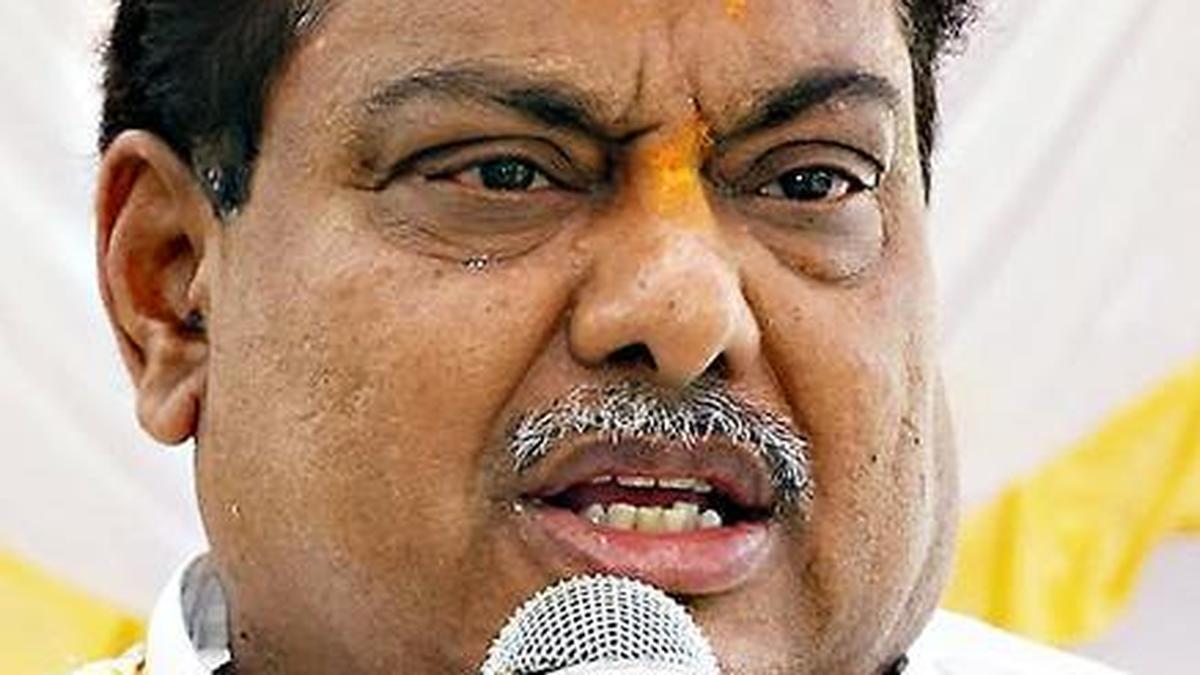
Infrastructure Development Minister M.B. Patil has voiced his support for a proposal to establish a high-speed rail corridor connecting Bengaluru, Pune, and Mumbai. The proposal, championed by Union Ministers Prahlad Joshi and H.D. Kumaraswamy, will be presented to Railway Minister Ashwini Vaishnaw. Patil emphasized the corridor’s potential to spur economic and industrial growth in Karnataka and Maharashtra, urging swift implementation following the announcement of seven national high-speed rail corridors in the Union Budget 2026–27 by Finance Minister Nirmala Sitharaman on February 1, 2026.
Key Points:
- Infrastructure Development Minister M.B. Patil supports the Bengaluru–Pune–Mumbai high-speed rail proposal.
- Union Ministers Prahlad Joshi and H.D. Kumaraswamy are leading the initiative.
- Patil stressed the need to move beyond discussions and implement the project.
- The corridor is expected to boost economic and industrial growth in central and north Karnataka and western Maharashtra.
- The Union Budget 2026–27 announced seven high-speed rail corridors nationwide.
- Patil suggests the Bengaluru–Pune–Mumbai corridor should have been included in the initial announcement.
Critical Analysis:
The timing of Patil’s statement, following the Union Budget announcement, suggests a strategic effort to ensure Karnataka’s economic interests are represented in the national high-speed rail plan. While Bengaluru is slated to be connected to Hyderabad and Chennai via other corridors, Patil’s push for the Mumbai-Pune link indicates a recognition of the financial importance of this connection, and a possible interplay of State and Union interests.
Key Takeaways:
- Karnataka is actively pursuing enhanced high-speed rail connectivity to key economic hubs.
- The Bengaluru–Pune–Mumbai corridor is viewed as critical for regional economic development.
- State-level advocacy plays a crucial role in shaping national infrastructure projects.
- The success of the project hinges on effective collaboration between state and union ministers.
Impact Analysis:
The realization of the Bengaluru–Pune–Mumbai high-speed rail corridor would have significant long-term economic implications. It would improve connectivity for business travelers, facilitate trade and investment, and potentially boost employment opportunities across the region. The project’s impact extends beyond transportation, influencing industrial development and regional economic integration.
 First Piper