
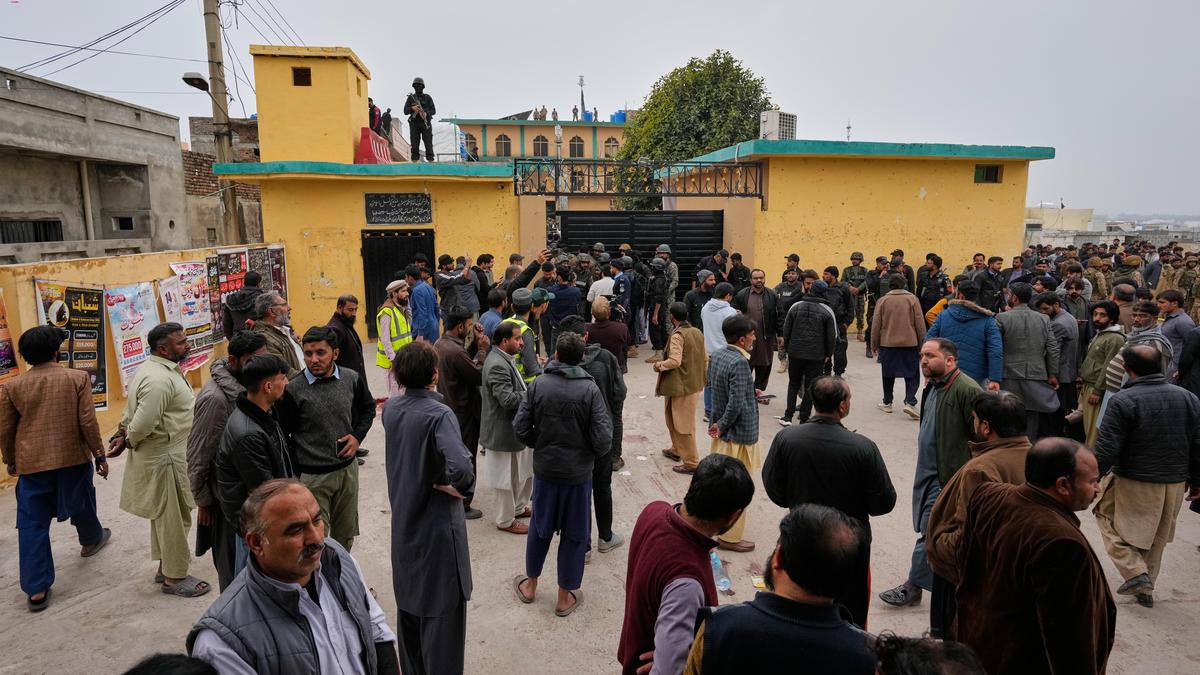
Fri Feb 06 15:37:55 UTC 2026: # Suicide Bombing at Islamabad Mosque Kills Dozens, Injures Hundreds
The Story:
A suicide bomber detonated explosives at a Shia mosque, Tarlai Imambargah, in the Shehzad Town area of Islamabad on February 6, 2026, during Friday prayers. The attack resulted in at least 31 fatalities and 169 injuries. The bomber, believed to be a foreign national with links to Tehreek-e-Taliban Pakistan (TTP), was stopped at the gate but managed to detonate the explosives.
Key Points:
- The attack occurred at Tarlai Imambargah, a Shia mosque in Islamabad.
- At least 31 people were killed and 169 were injured.
- The bomber is suspected to be a foreign national linked to Tehreek-e-Taliban Pakistan (TTP).
- The attack took place during a state visit by Uzbek President Shavkat Mirziyoyev.
- President Asif Ali Zardari and Prime Minister Shehbaz Sharif condemned the attack.
Critical Analysis:
The bombing occurring during Uzbek President Shavkat Mirziyoyev’s state visit suggests a deliberate attempt to destabilize Pakistan and undermine its international image. It could be an attempt by TTP to show their reach and power, challenging the government’s control and sending a message to foreign entities considering investment or cooperation with Pakistan. The attack on a Shia mosque also indicates a sectarian motive, inflaming existing tensions between Sunni and Shia communities. Furthermore, the preceding news of Pakistani security forces killing 24 terrorists in Khyber Pakhtunkhwa could potentially be related to this attack as revenge.
Key Takeaways:
- The attack highlights the persistent threat of terrorism in Pakistan, particularly from groups like TTP.
- Sectarian violence remains a significant concern, with religious sites being targeted.
- The timing of the attack during a state visit underscores the vulnerability of Pakistan’s security apparatus and the potential for terrorist groups to disrupt diplomatic efforts.
- The incident raises questions about border security and the presence of foreign fighters within Pakistan.
- The government faces increased pressure to address terrorism and ensure the safety of its citizens.
Impact Analysis:
The suicide bombing has the potential for long-term repercussions:
- Increased Security Measures: The government will likely implement stricter security measures in Islamabad and other vulnerable areas, possibly including increased surveillance, checkpoints, and restrictions on public gatherings.
- Diplomatic Strain: The attack during the Uzbek President’s visit could potentially strain relations and deter future high-level visits or foreign investment.
- Escalation of Sectarian Tensions: The targeting of a Shia mosque may incite retaliatory actions, leading to a cycle of violence between Sunni and Shia communities.
- Policy Shifts: The government might be forced to re-evaluate its counter-terrorism strategies and seek increased international cooperation to address the root causes of extremism.
- Public Trust Erosion: Such high profile attacks erode public trust in the government’s ability to protect its citizens and maintain order.
 First Piper