
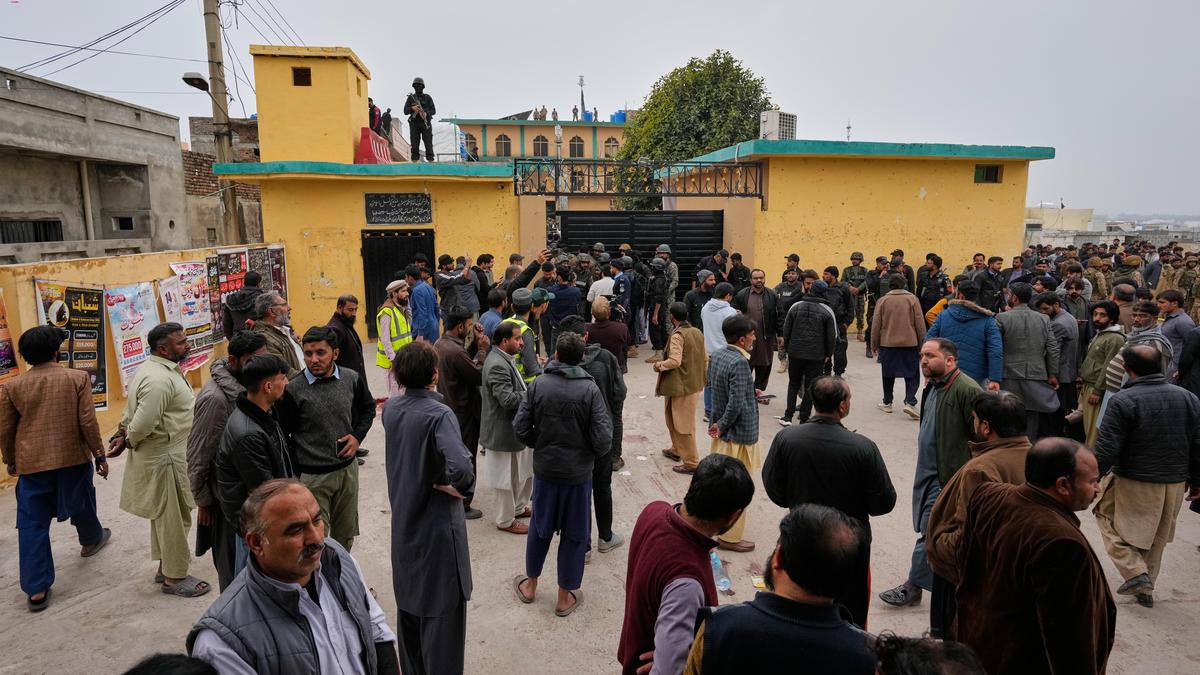
Fri Feb 06 12:04:56 UTC 2026: ### Deadly Suicide Bombing Rocks Islamabad During Uzbek President’s Visit
The Story:
A suicide bomber detonated explosives at the Tarlai Imambargah, a Shia mosque in Islamabad, Pakistan, on February 6, 2026, during Friday prayers. At least 31 people were killed and 169 were injured in the attack. The bomber was reportedly stopped at the gate but still managed to detonate the device. The attack occurred during a state visit by Uzbek President Shavkat Mirziyoyev.
Key Points:
- The attack targeted a Shia mosque, Tarlai Imambargah, in the Shehzad Town area of Islamabad.
- At least 31 people were killed, and 169 were injured.
- No group immediately claimed responsibility, but police sources suggested the attacker was a foreign national linked to Fitna al Khwaraji, a term used for Tehreek-e-Taliban Pakistan (TTP).
- The attack occurred during a two-day state visit by Uzbek President Shavkat Mirziyoyev.
- Pakistani President Asif Ali Zardari and Prime Minister Shehbaz Sharif condemned the attack.
- An emergency was declared in Islamabad hospitals.
- This attack follows a previous suicide bombing less than three months prior, which killed 12 people outside a court building in Islamabad.
Critical Analysis:
The bombing comes just three months after a similar attack outside a court building in Islamabad. The suggested link to TTP signifies a continued threat from this group. The timing of the attack, coinciding with the Uzbek President’s visit, suggests an attempt to destabilize the region and undermine Pakistan’s efforts to improve its international relations.
Key Takeaways:
- The TTP remains a significant security threat in Pakistan, capable of carrying out large-scale attacks.
- The attack highlights the vulnerability of religious minorities, particularly Shia Muslims, in Pakistan.
- The timing of the attack suggests a deliberate attempt to undermine Pakistan’s stability and diplomatic efforts.
- The repeated incidents indicate a potential failure of current security measures in preventing such attacks.
- The attack is bound to increase sectarian tensions.
Impact Analysis:
This bombing is likely to have several significant long-term impacts:
- Increased Security Measures: The Pakistani government will likely increase security measures in Islamabad and other major cities, particularly around religious sites and government buildings.
- Strained International Relations: The attack may strain Pakistan’s relations with Uzbekistan, potentially affecting future diplomatic and economic cooperation.
- Rise in Sectarian Violence: The attack could lead to a rise in sectarian violence between Sunni and Shia Muslims in Pakistan.
- Increased Military Operations: The Pakistani military may intensify its operations against militant groups in the tribal areas.
- Economic Impact: The increased instability could deter foreign investment and negatively impact Pakistan’s already fragile economy.
 First Piper