
Thu Feb 05 11:06:18 UTC 2026: # Pakistan Army Claims Victory in Balochistan Operation Amidst Rising Tensions
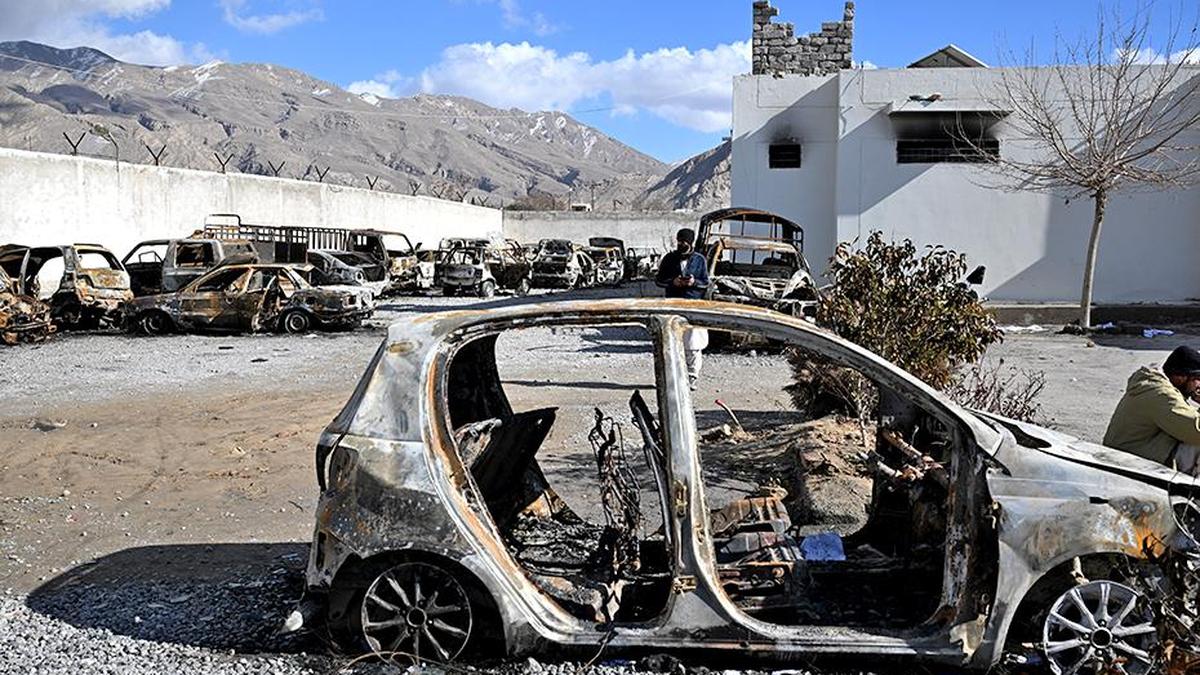
The Story: The Pakistan Army announced on February 5, 2026, the successful conclusion of “Operation Radd-ul-Fitna-1” in Balochistan, claiming to have killed 216 terrorists and significantly degraded terrorist networks. The operation, launched on January 26, 2026, was a response to terror attacks in Panjgur and near Harnai district. The army also reported the deaths of 36 civilians and 22 security personnel. The statement accused “Indian-sponsored terrorist elements” of attempting to disrupt peace in the region, a claim India has consistently denied. Simultaneously, railway services in Balochistan resumed after being suspended for five days due to security concerns following the attacks.
Key Points:
- Operation Radd-ul-Fitna-1 concluded on February 5, 2026.
- Pakistan Army claims 216 terrorists were killed.
- 36 civilians and 22 security personnel also died during the operation.
- Pakistan alleges Indian involvement in the unrest.
- Railway services in Balochistan have been restored after a five-day suspension.
- Balochistan is home to a long-running violent insurgency, with groups targeting the $60 billion CPEC projects.
- In 2025, the Balochistan Liberation Army (BLA) claimed responsibility for hijacking the Jaffar Express train, killing 31.
Critical Analysis: The timing of this operation and its announced “success” coincides with other significant internal challenges for both India and Pakistan. A coal mine explosion in Meghalaya, India, resulting in at least 18 deaths, and Kuki-Zo groups boycotting tribal MLAs in Manipur highlight internal security and social issues within India. This context, juxtaposed with Pakistan’s claims of Indian involvement in Balochistan, suggests an attempt by both nations to deflect attention from their domestic problems by externalizing blame.
Key Takeaways:
- The Balochistan conflict remains a volatile and destabilizing force in the region.
- Accusations of external interference continue to fuel tensions between India and Pakistan.
- The China-Pakistan Economic Corridor (CPEC) remains a key target for Baloch insurgents.
- Both nations grapple with internal security challenges, making regional stability precarious.
- The high civilian death toll raises concerns about the conduct of military operations.
Impact Analysis: The ongoing conflict in Balochistan and the accusations of cross-border terrorism are likely to further strain relations between India and Pakistan. The focus on CPEC projects as targets indicates that China’s economic interests in the region are also at risk. The internal instability within both India and Pakistan, highlighted by the Meghalaya mine explosion and ongoing insurgency in Balochistan, presents long-term challenges to regional security and development. This situation could potentially lead to further escalations and a protracted period of instability.
 First Piper