
Thu Feb 05 21:32:06 UTC 2026: # Shah’s J&K Visit Amid Security Concerns and Calls for Healing
The Story:
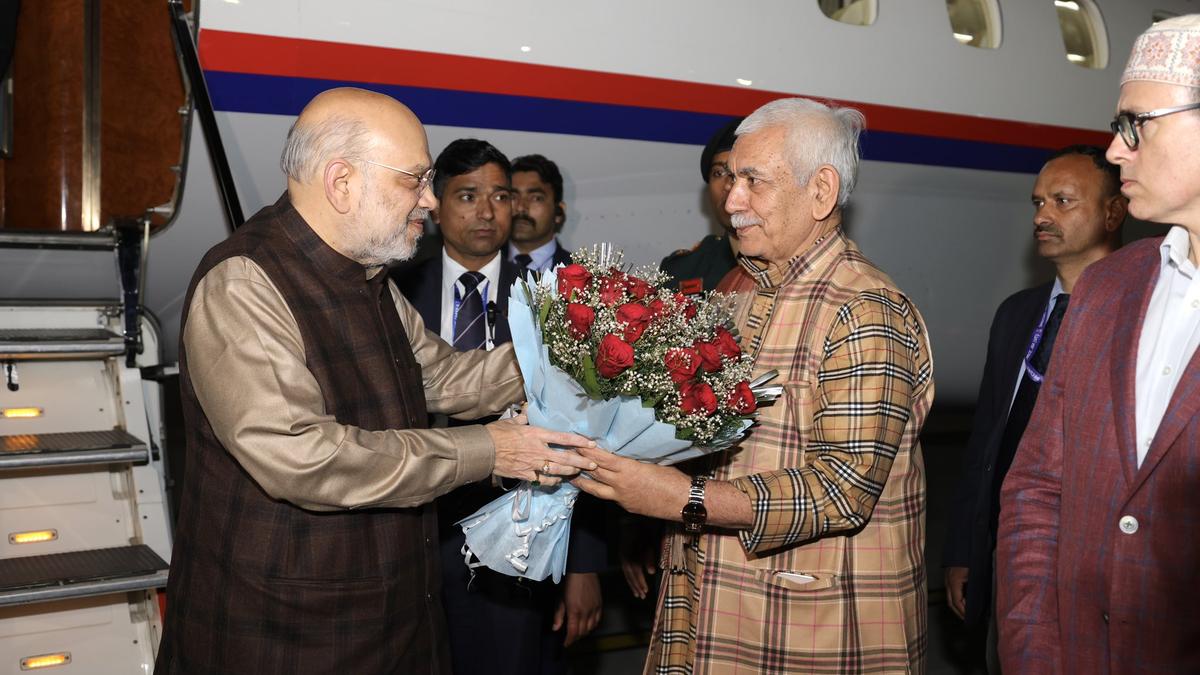
Union Home Minister Amit Shah arrived in Jammu and Kashmir on February 5, 2026, for a two-day tour focused on security review and addressing the needs of the region’s youth. The visit comes amid heightened security, recent anti-terror operations, and concerns raised by opposition parties regarding the normalcy of the situation. While the government emphasizes control, opposition leaders highlight ongoing militancy and the necessity for addressing the wounds of the youth.
Key Points:
- Amit Shah arrived in Jammu on February 5, 2026, and will chair a security review meeting.
- There has been an increase in terrorist-related incidents in the Jammu region.
- Security forces have conducted anti-terror operations in Kishtwar and Udhampur.
- Amit Shah will tour the International Border and meet families of deceased security personnel, offering government jobs.
- Opposition leaders argue that frequent visits indicate the situation is not normal, despite government claims.
- PDP legislators emphasize the need to heal the wounds of the youth through sustained engagement and development.
Critical Analysis:
The timing of Amit Shah’s visit, coupled with the historical context, reveals a multifaceted strategy. The launch of Bharat Taxi, a cooperative-led ride-hailing platform, signifies an attempt to boost economic activity and integrate the region with the rest of India. The discussion with CM Abdullah about reopening tourist spots aims to revitalize the economy, which has been hampered by security concerns. However, the Lashkar proxy’s warning to Kashmiri Pandits underscores the persistent security threat, which necessitates the heightened security measures during Shah’s visit. The government is seemingly attempting to balance development and security.
Key Takeaways:
- The visit highlights the ongoing security challenges in Jammu and Kashmir, despite government assertions of normalcy.
- Economic initiatives, such as the Bharat Taxi launch and reopening tourist spots, are part of a broader strategy to integrate the region and address local grievances.
- Opposition parties are leveraging the visit to spotlight the need for addressing the youth’s grievances and fostering inclusive development.
- The government is walking a tightrope between promoting normalcy and addressing the realities of the security situation.
- The visit underscores the Centre’s continued focus on Jammu and Kashmir, reflecting its strategic importance.
Impact Analysis:
This visit and the events surrounding it will likely have several lasting impacts:
- Security Policy: The security review will inform future counter-terrorism strategies and resource allocation in the region.
- Economic Development: The success of initiatives like Bharat Taxi will gauge the effectiveness of cooperative models in boosting local economies and providing employment opportunities.
- Political Landscape: The visit will either reinforce or erode public trust in the government’s ability to manage the situation in Jammu and Kashmir, depending on the tangible outcomes. The youth outreach will be critical.
- Geopolitical Ramifications: The situation in Jammu and Kashmir remains a sensitive issue with international implications. Any escalation or de-escalation will be closely watched by neighboring countries.
 First Piper