
Thu Feb 05 14:09:52 UTC 2026: # Temple Statue Plan Sparks Environmental Concerns in Coimbatore
The Story:
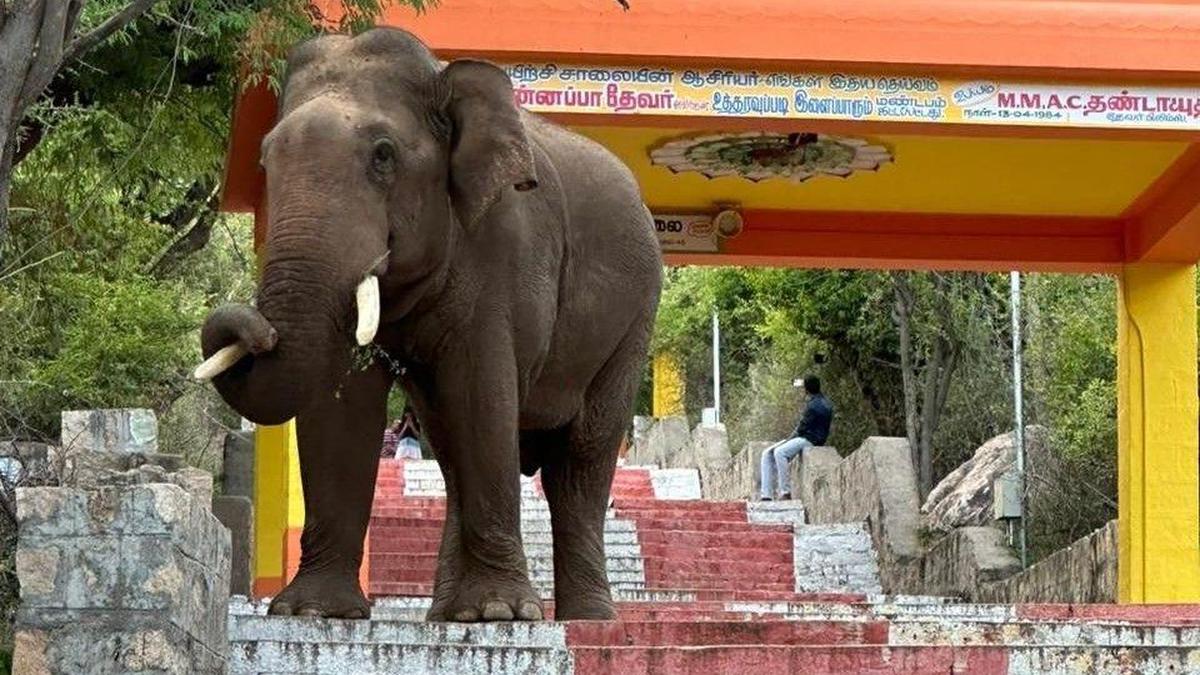
The Madras High Court is reviewing a proposal for a 184-foot statue of Lord Murugan at the Marudhamalai foothills in Coimbatore district, following concerns about its environmental impact. The Forest Department reported 119 instances of wild elephants straying from the forests in the area in 2025. An activist’s plea led to the court’s involvement, with justices suggesting an alternative site further away from the reserve forest boundary, as the initial location is within an eco-sensitive zone identified by the Kasturirangan Committee report. The court also tasked a four-member amici curiae to inspect the site and report back, raising concerns about the already existing anthropogenic pressure.
Key Points:
* The Forest Department recorded 119 instances of elephants straying into the Marudhamalai foothills in 2025.
* The proposed statue location is 137 meters from the reserve forest boundary, deemed an eco-sensitive zone.
* The court suggested considering alternative sites at least 431 meters or beyond 500 meters from the forest boundary.
* The amici curiae report highlighted existing waste pollution and increased visitor numbers at the temple, estimating an increase to 5,000 weekday and 10,000 weekend visitors upon statue installation.
* The report noted an elephant died recently after consuming plastic waste, and a black panther cub was rescued near the proposed statue site.
* The proposed parking facility is 600 meters from the statue, on 7.98 acres of poramboke land near Bharathiar University.
Critical Analysis:
The historical context provided shows a broader trend of human-animal conflict and environmental degradation affecting elephants. The article “Plastic Found In Elephant Dung Raises Pollution Concerns” directly connects to the amici curiae’s findings about waste pollution in the Marudhamalai foothills, which led to an elephant’s death after consuming plastic waste. “Elephant tramples mahout to death at Kottoor rehabilitation centre in Kerala” is a reminder that elephants are dangerous and should be given consideration. Finally, “Assam mahouts get Australian tips on handling elephants humanely” is a reminder that something can be done to preserve our natural wildlife in a peaceful manner.
Key Takeaways:
* The proposed statue poses a significant threat to the local ecosystem and wildlife due to increased human activity and pollution.
* The Madras High Court is actively considering environmental concerns in its evaluation of the project, suggesting a more cautious approach.
* The incident of an elephant dying from plastic consumption near the temple underscores the urgent need for waste management and environmental protection measures.
* The debate highlights the ongoing conflict between religious development and environmental conservation in India.
Impact Analysis:
The Madras High Court’s decision will likely set a precedent for future development projects near ecologically sensitive areas in India. If the statue is approved in its current location, it could lead to increased human-animal conflict and further environmental degradation, potentially impacting the long-term health of the Marudhamalai ecosystem. Conversely, if the court mandates relocation or stricter environmental safeguards, it could strengthen environmental protections and promote more sustainable development practices. The outcome will be closely watched by environmental activists, religious organizations, and government bodies alike.
 First Piper