
Thu Feb 05 07:01:42 UTC 2026: ### Headline: Taiwan Asserts “Rock Solid” U.S. Ties Amidst Trump-Xi Dialogue
The Story:
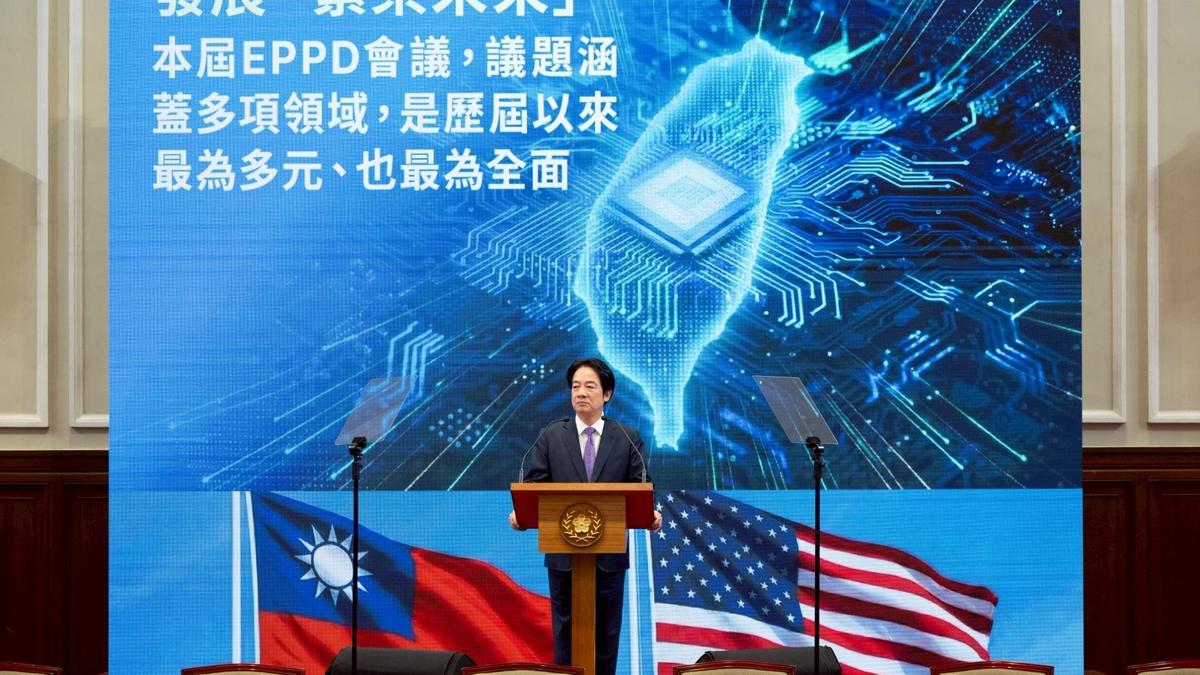
Taiwan’s President Lai Ching-te affirmed the island’s unwavering relationship with the United States on Thursday, February 5, 2026, following a phone conversation between U.S. President Donald Trump and Chinese leader Xi Jinping. The discussion, which included the future of Taiwan, prompted President Lai to reassure the public that cooperation projects between Taiwan and the U.S. would continue without interruption. This declaration comes in the wake of China’s opposition to U.S. arms sales to Taiwan and internal Taiwanese political divisions over defense spending.
Key Points:
- President Lai Ching-te declared Taiwan’s ties with the U.S. as “rock solid” after the Trump-Xi phone call.
- Xi Jinping urged Donald Trump to be “prudent” regarding arms supplies to Taiwan.
- The U.S. has proposed an arms sales package to Taiwan worth over $11.1 billion, including missiles, artillery systems, and drones, awaiting Congressional approval.
- China conducted military drills around Taiwan in late December 2025 in response to the proposed arms sales.
- Taiwan’s opposition KMT party opposes the proposed arms sales and a proposed increase of defense spending to 3.3% of Taiwan’s GDP.
- President Trump described his call with Xi Jinping as “excellent” and anticipates a trip to China in April 2026.
- China is considering increasing U.S. soybean purchases to 20 million tons this season, up from 12 million tons in the previous season.
Critical Analysis:
The events surrounding the Taiwan-US-China relations are unfolding with clear strategic depth. China’s economic incentives (soybean purchases) coupled with warnings regarding arms sales shows their multi-faceted approach to influencing the US’s relationship with Taiwan. The internal opposition within Taiwan adds complexity, giving China leverage to further pressure the Taiwanese government.
Key Takeaways:
- The U.S.-Taiwan relationship remains a sensitive point of contention between the U.S. and China.
- Economic considerations, particularly agricultural trade, play a role in the U.S.-China dynamic.
- Internal Taiwanese political divisions weaken Taiwan’s position amidst external pressures.
- China is employing both economic incentives and warnings to influence the U.S.’s approach to Taiwan.
- The future of U.S.-Taiwan relations will likely depend on the outcomes of both the proposed arms sales and continued U.S.-China negotiations.
Impact Analysis:
The continuing tensions surrounding Taiwan have significant long-term implications. The arms sales, if approved, could escalate military tensions in the region, potentially leading to conflict. The internal political divisions within Taiwan will likely weaken the island’s ability to deter China’s influence and make it more susceptible to Beijing’s demands. Economically, the region’s stability is threatened, with potential disruptions to global trade and supply chains. The delicate balance of power between the U.S. and China, further complicated by economic factors and internal Taiwanese politics, will shape the future of the region and the global order.
 First Piper