
Thu Feb 05 11:00:55 UTC 2026: # Parliament Adjourned Amid Opposition Ruckus; Motion of Thanks Passed Without PM’s Reply
The Story:
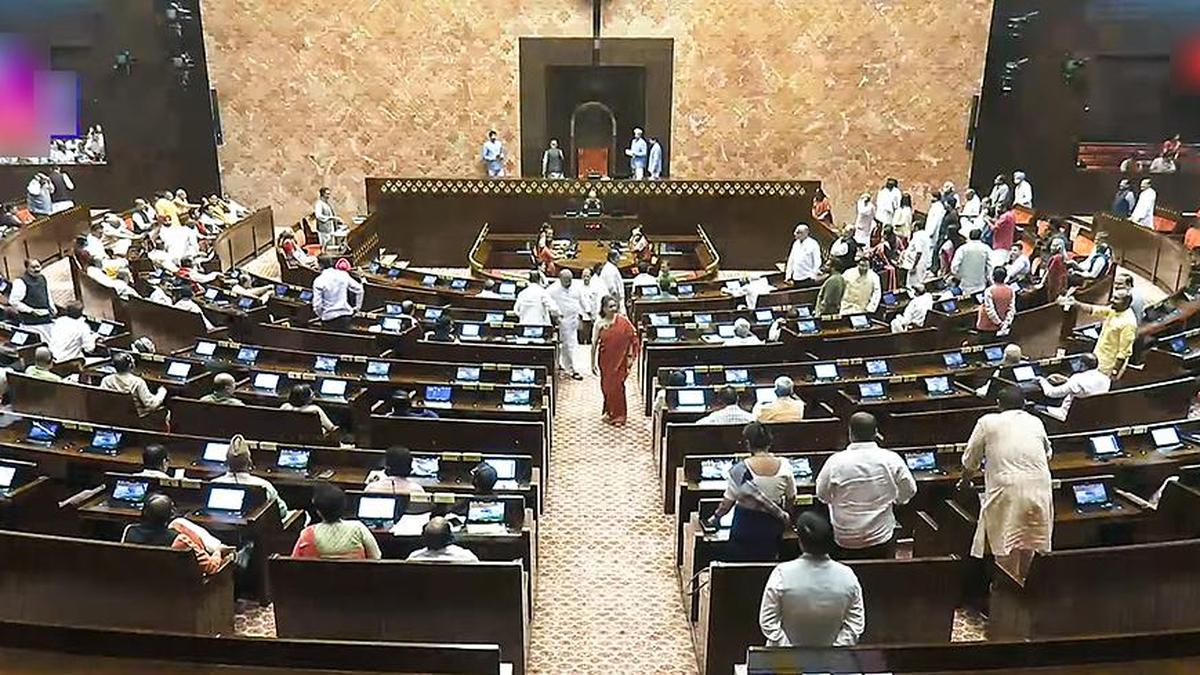
On February 5, 2026, the Lok Sabha was repeatedly adjourned due to persistent protests from the opposition, ultimately passing the Motion of Thanks on the President’s address without the customary reply from Prime Minister Narendra Modi. The Speaker, Om Birla, cited safety concerns and advised the Prime Minister to skip the session, further escalating tensions. The Rajya Sabha also witnessed disruptions, with the opposition walking out after being denied the opportunity to quote from a former Army chief’s memoir. The disruptions highlight deep divisions and a breakdown in parliamentary procedure.
Key Points:
- Lok Sabha adjourned multiple times due to opposition sloganeering.
- The Motion of Thanks on the President’s address was passed amid protests.
- Speaker Om Birla advised Prime Minister Narendra Modi not to attend Lok Sabha due to anticipated disruptions.
- Opposition MPs protested against the Centre, alleging they were not allowed to let LoP Rahul Gandhi to address the Lower House.
- Rajya Sabha witnessed a walkout by the opposition after being denied the ability to quote a former Army chief.
- AAP MP Sandeep Kumar Pathak raised concerns about Centre-State relations and the rising number of kidnappings in Delhi.
- AAP MP Raghav Chadda highlighted the shortage of computational resources needed for the Artificial Intelligence mission.
- The Budget session is scheduled to run for 65 days, concluding on April 2.
Critical Analysis:
The events of February 5, 2026, are indicative of a deeply fractured political landscape. The prior news snippets indicate a pattern:
1. The Speaker expressing safety concerns for the PM hints at a deliberate escalation of protest tactics by the opposition.
2. The news headline suggesting the absence of a PM speech and a Congress message behind the parliament showdown, highlights the pre-planned nature of the day’s events.
3. The discussion of the “Motion of Thanks” in Rajya Sabha shows an attempt to continue parliamentary business amidst chaos, although not without it’s own issues and walkouts.
Key Takeaways:
- Parliamentary proceedings are severely hampered by persistent opposition protests and governmental responses to them.
- The absence of the Prime Minister’s reply to the Motion of Thanks signals a significant departure from parliamentary tradition and highlights the level of disruption.
- Concerns regarding Centre-State relations and the need for stronger institutions are being raised, pointing to underlying structural issues within the Indian polity.
- The focus on AI infrastructure underscores India’s ambition in the technology sector, but also reveals challenges related to resource allocation and global supply chains.
Impact Analysis:
The continued disruptions within Parliament erode public trust in democratic institutions and their ability to effectively address critical issues. The failure to engage in constructive dialogue and debate could delay important policy decisions and hinder India’s progress on multiple fronts, from economic development to technological advancement. The long-term impact could be a further polarization of the political landscape and a weakening of the parliamentary system.
 First Piper