
Thu Feb 05 07:17:52 UTC 2026: # Lok Sabha Passes Motion of Thanks Amidst Opposition Protests and PM’s Absence
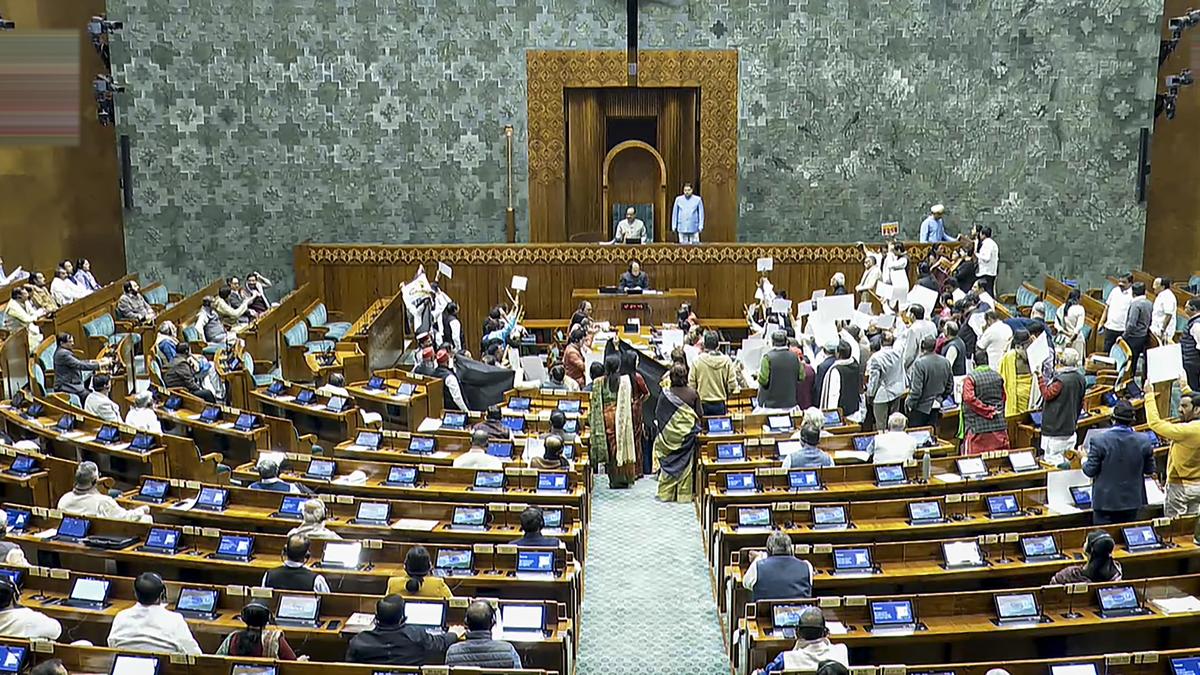
The Story: The Lok Sabha passed the Motion of Thanks on the President’s address on February 5, 2026, without a reply from Prime Minister Narendra Modi, due to relentless protests from the Opposition. Opposition amendments were rejected, and the motion was ultimately passed by a voice vote. The Congress party referenced a similar event in 2004 when then-Prime Minister Manmohan Singh was allegedly prevented from speaking on the Motion of Thanks by the BJP. The preceding day saw dramatic scenes as female Opposition MPs protested near the Prime Minister’s seat, resulting in the adjournment of proceedings.
Key Points:
- The Lok Sabha passed the Motion of Thanks on the President’s address on February 5, 2026, without the Prime Minister’s reply.
- Opposition amendments to the Motion were rejected.
- The Congress party highlighted a similar occurrence in June 10, 2004, when Manmohan Singh was allegedly prevented from speaking.
- On February 4, 2026, Opposition MPs protested near the Prime Minister’s seat over a trade deal with the U.S. and a former Army chief’s book.
- The Speaker adjourned the proceedings multiple times due to the disruptions.
Critical Analysis:
The events highlight a continuing pattern of heightened political tension and parliamentary disruption. The recalling of the 2004 incident by the Congress suggests an attempt to frame the current government’s actions within a historical context of perceived obstructionism. The Opposition’s protests, particularly the women MPs approaching the Prime Minister’s seat, indicate a focused and potentially coordinated strategy to disrupt proceedings and draw attention to their grievances.
Key Takeaways:
- The absence of the Prime Minister’s reply to the Motion of Thanks signifies a breakdown in parliamentary convention, regardless of the reasons behind it.
- The Opposition’s aggressive tactics suggest deep dissatisfaction with government policies, particularly regarding trade with the U.S. and issues raised by the ex-Army chief’s ‘unpublished’ book.
- The historical comparison to the 2004 incident reveals the ongoing nature of partisan political clashes in Indian Parliament, with each side attempting to use historical precedents to justify their actions.
- The repeated adjournments reflect an increasing inability to conduct parliamentary business effectively amidst the discord.
- The situation points to a potential escalation of confrontational politics within the Lok Sabha during the Budget session.
Impact Analysis:
The disruptions and the absence of the Prime Minister’s reply could erode public trust in the parliamentary process. The intensified opposition protest around specific grievances such as the US trade deal hint at potential policy paralysis if the government and opposition cannot find common ground for legislative progress. Prolonged discord can impact the government’s ability to pass crucial legislation during the budget session and beyond, potentially hindering economic and social progress. The normalization of disruptive parliamentary tactics sets a concerning precedent for future legislative sessions.
 First Piper