
Thu Feb 05 10:08:23 UTC 2026: # India and U.S. Poised to Sign First Tranche of Bilateral Trade Agreement by Mid-March
The Story:
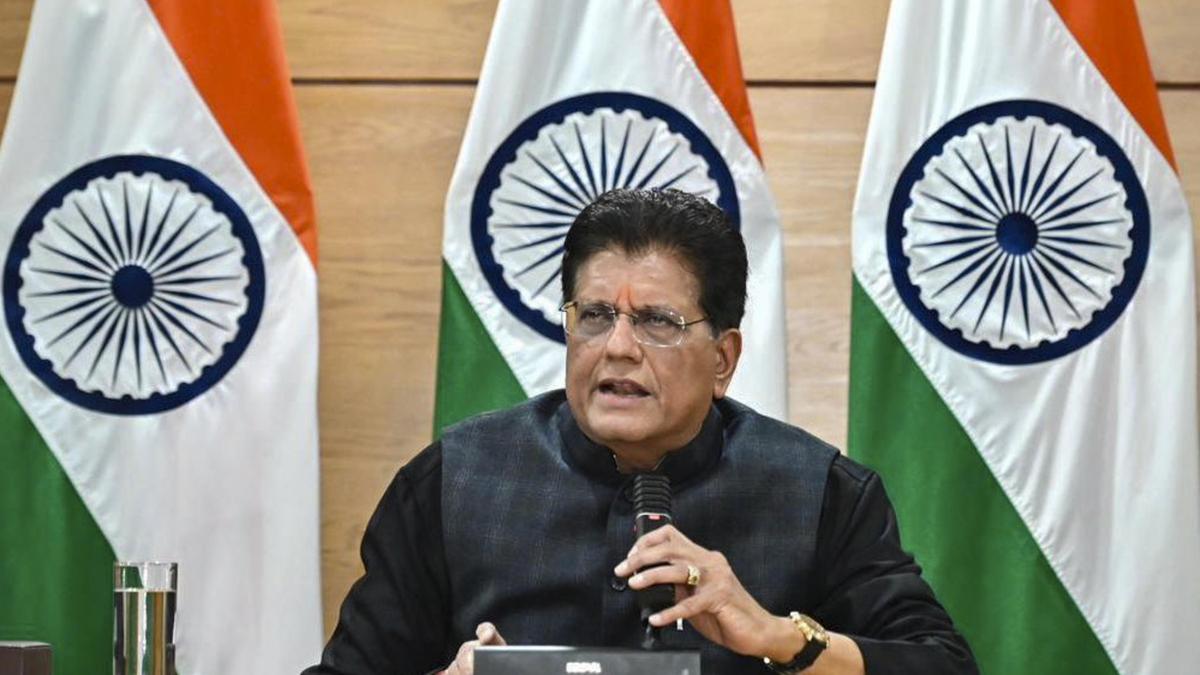
Indian Commerce Minister Piyush Goyal confirmed on February 5, 2026, that the India-U.S. trade deal is progressing, with a joint statement expected to be issued in the next 4-5 days. This agreement represents the “first tranche” of a larger Bilateral Trade Agreement. Following the joint statement, the U.S. is expected to issue an executive order reducing tariffs on Indian goods to 18%. This follows an announcement on February 2, 2026, by Prime Minister Narendra Modi regarding the tariff reduction after a conversation with President Donald Trump.
The initial “first tranche” agreement is expected to be legally formalized by mid-March. Commerce Secretary Rajesh Agrawal stated that after the joint statement is signed, work will commence on converting it into a binding legal agreement. Notably, this initial agreement does not include any investment commitments.
Key Points:
- February 5, 2026: Commerce Minister Piyush Goyal confirms progress on the India-U.S. trade deal.
- Joint statement expected in 4-5 days.
- The agreement is the “first tranche” of a larger Bilateral Trade Agreement.
- U.S. to reduce tariffs on Indian goods to 18% via executive order after the joint statement.
- February 2, 2026: Prime Minister Modi announced the tariff reduction after a conversation with President Trump.
- Current tariffs on Indian goods include a 25% reciprocal tariff and a 25% additional tariff for buying Russian crude oil.
- Legal agreement expected to be signed by mid-March.
- The first tranche agreement does not include any investment commitments.
Key Takeaways:
- The India-U.S. trade relationship is showing signs of strengthening with a phased approach to a larger trade agreement.
- The 18% tariff reduction is a significant move that could benefit “Made in India” products in the U.S. market.
- The agreement is being implemented through a joint statement followed by a legal agreement.
- The exclusion of investment commitments in the first tranche suggests a cautious and phased approach to the trade negotiations.
- The current 25% reciprocal tariff and the 25% tariff on Russian crude oil purchases highlights existing trade complexities between the two nations.
Impact Analysis:
This initial trade agreement tranche is a step towards normalizing trade relations between India and the United States. The 18% tariff reduction can lead to increased exports of Indian goods to the U.S., potentially boosting Indian manufacturing and employment. Further, this move signals a closer economic alignment between the two countries, influencing global trade dynamics and potentially impacting other trade relationships. The exclusion of investment commitments might lead to further negotiations focused solely on financial investments in the future. The future tranches of the agreement will likely determine the overall success and impact of this trade partnership.
 First Piper