
Thu Feb 05 08:24:08 UTC 2026: # India and U.S. Poised to Sign First Tranche of Bilateral Trade Agreement, Tariffs to Drop to 18%
The Story
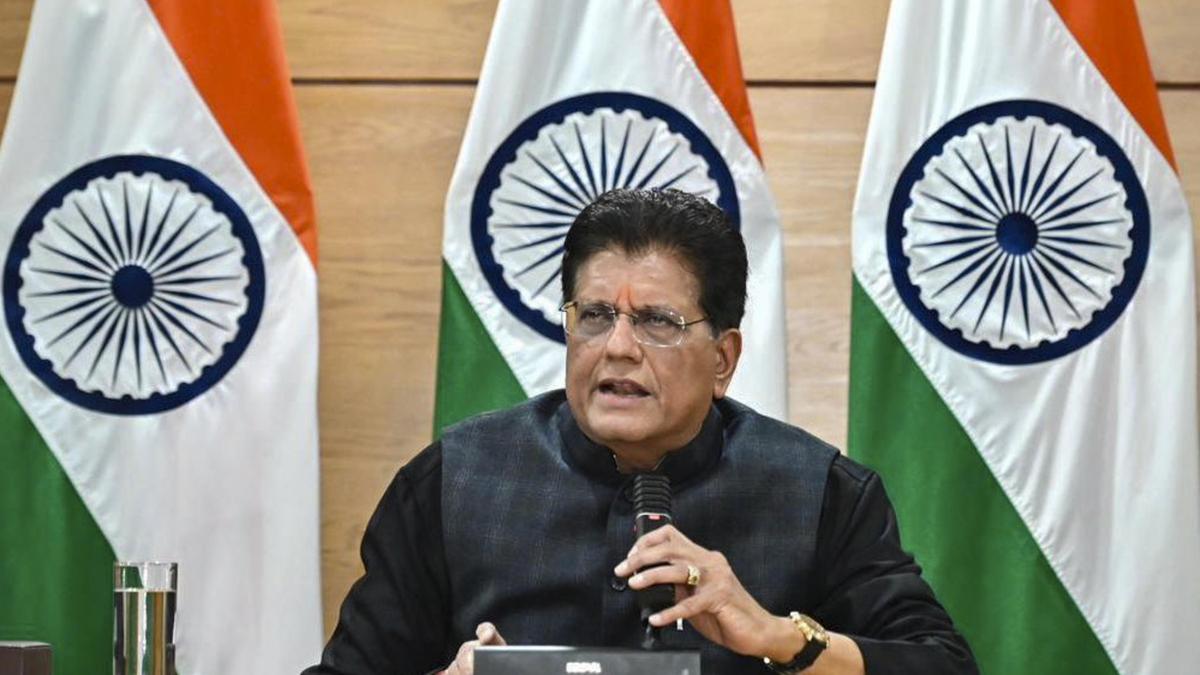
Commerce Minister Piyush Goyal confirmed on February 5, 2026, that India and the U.S. are on track to sign the first phase of a larger Bilateral Trade Agreement. This announcement comes after Prime Minister Narendra Modi revealed on February 2, 2026, following a telephonic conversation with President Donald Trump, that “Made in India” products will now attract a reduced tariff of 18% in the U.S. Currently, Indian goods face a 25% reciprocal tariff, plus an additional 25% tariff on Russian crude oil purchases. The joint statement formalizing the agreement is expected within the next 4-5 days, with a legally binding agreement anticipated by mid-March.
Key Points
- Commerce Minister Piyush Goyal confirmed the “first tranche” of a larger trade agreement between India and the U.S. on February 5, 2026.
- A joint statement is expected within 4-5 days of February 5, 2026.
- The U.S. will reduce tariffs on Indian goods to 18% via an executive order once the joint statement is signed.
- Currently, Indian goods attract a 25% reciprocal tariff and a 25% additional tariff for purchasing Russian crude oil.
- A legal agreement is expected to be signed by mid-March 2026.
Critical Analysis
The historical context indicates a swift progression in the India-U.S. trade deal negotiations. The announcement of the 18% reciprocal tariff reduction being “signed next week” (from the source dated February 5, 2026) aligns with Minister Goyal’s timeline, suggesting a coordinated effort to finalize this initial agreement rapidly.
Key Takeaways
- The India-U.S. trade relationship is strengthening, with a clear focus on reducing tariffs.
- The agreement is being implemented in phases, with the first tranche focusing on tariff reduction.
- The rapid timeline suggests both countries are eager to formalize the agreement.
- The high existing tariffs on goods and especially Russian Crude oil is likely a key factor in negotiating the agreement.
Impact Analysis
The reduction in tariffs from 25% to 18% on “Made in India” products could significantly boost Indian exports to the U.S. This move could lead to increased economic activity, job creation, and potentially lower consumer prices in the U.S. This is particularly relevant given that the “first tranche” contains no investment commitments, indicating that the immediate goal is to facilitate trade. This reduction could also reshape trade dynamics, influencing India’s stance on Russian crude purchases and potentially impacting global energy markets. The long-term success of this agreement will depend on the details of future tranches and the broader geopolitical landscape.
 First Piper