
Wed Feb 04 19:24:59 UTC 2026: ### India Bolsters Cancer Control with Expanded Screening and Prevention Programs
The Story:
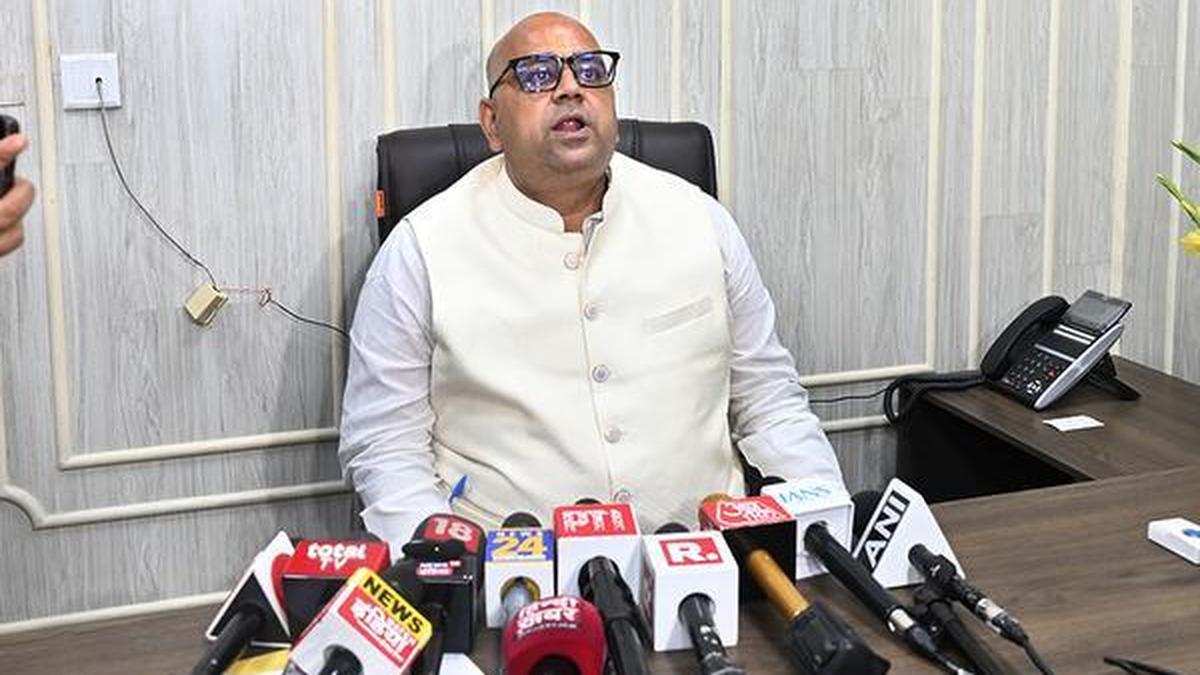
On February 4, 2026, Delhi Health Minister Pankaj Kumar Singh announced the launch of the Cancer Awareness, Prevention & Screening Programme (CAPS) in New Delhi. The initiative aims to improve early cancer detection and prevention through affordable testing and increased public awareness. A key component of CAPS is enhanced screening, particularly for women, including the introduction of mobile cancer screening vans and self-testing kits for HPV DNA testing. The government also plans to introduce cervical cancer vaccinations soon.
Key Points:
- The Cancer Awareness, Prevention & Screening Programme (CAPS) focuses on accessible and affordable screening.
- Mobile cancer screening vans equipped with mammography and HPV DNA testing facilities will be deployed.
- Self-testing kits for women to collect vaginal swab samples for HPV DNA testing via RT-PCR will be available.
- Test reports will be shared within a week, followed by medical consultation and treatment recommendations.
- The government plans to introduce cervical cancer vaccinations.
Critical Analysis:
The timing of this announcement, directly following World Cancer Day observed on February 4, 2026, suggests a deliberate strategic alignment to leverage heightened public awareness and demonstrate proactive government action. The parallel emphasis on “Awareness can prevent cancer, says expert” reinforces the importance of public education in the overall cancer control strategy.
Key Takeaways:
- The Indian government is prioritizing early cancer detection through accessible and affordable screening programs.
- The initiative focuses particularly on women’s health, addressing cervical cancer and breast cancer through targeted screening and vaccination plans.
- The CAPS program utilizes innovative solutions such as mobile screening vans and self-testing kits to overcome accessibility barriers.
- The program is part of a broader health strategy aimed at reducing late-stage diagnoses and improving treatment outcomes.
Impact Analysis:
The CAPS program and planned cervical cancer vaccination initiative have the potential to significantly reduce cancer morbidity and mortality rates in India, particularly among women. By prioritizing early detection and prevention, the government aims to alleviate the burden on the healthcare system and improve the overall health and well-being of its citizens. The success of the program will depend on effective implementation, public awareness campaigns, and the seamless integration of screening, testing, consultation, and treatment services. Long term, this investment in public health infrastructure can also contribute to increased economic productivity and reduced healthcare costs.
 First Piper