
Thu Feb 05 08:50:03 UTC 2026: # Tragedy at Kottoor: Mahout Trampled to Death by Elephant
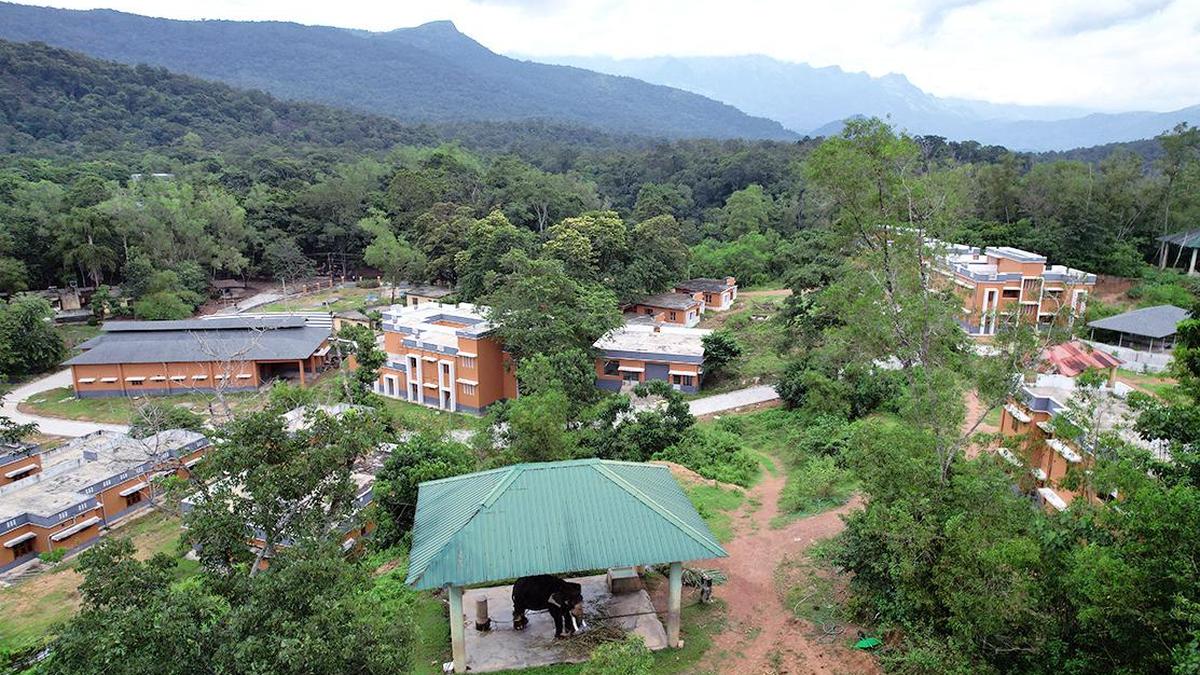
The Story: A tragic incident occurred at the Kottoor Elephant Rehabilitation Centre in Thiruvananthapuram, Kerala, on Thursday, February 5, 2026. A mahout, identified as Vishnu, was fatally trampled by an elephant named Manu during the morning bathing session. The 25-year-old victim, a native of Venganoor, was reportedly thrown into the water by the elephant before being trampled.
Despite being rushed to the Aryanad Government Hospital, Vishnu was declared dead upon arrival. Police have kept his body in the hospital morgue, as investigations into the incident continue.
Key Points
- An elephant, Manu, trampled its mahout, Vishnu, to death at the Kottoor Elephant Rehabilitation Centre on February 5, 2026.
- The incident occurred during the morning bathing session.
- Vishnu, the 25-year-old victim, was a native of Venganoor.
- He was declared dead at the Aryanad Government Hospital.
- An investigation has been launched by the police.
Critical Analysis
The series of articles points towards a troubling trend in human-elephant interaction, with a notable concentration in Kerala. The tragic death at the Kottoor Rehabilitation Centre is preceded by reports of elephants being struck by trains, wild elephant attacks on humans, and concerns over pollution affecting elephants. While the Assam mahouts getting Australian tips suggests efforts towards humane handling, these incidents highlight a significant disconnect between these efforts and the realities on the ground. The simultaneous reports of plastic pollution impacting elephants and fatal human-elephant encounters suggests a systemic problem involving habitat encroachment, increased human-wildlife conflict, and potentially inadequate training or resources for mahouts working with captive elephants.
Key Takeaways
- Human-elephant conflict is escalating in Kerala, as evidenced by multiple fatalities in a short time span.
- The focus on elephant welfare, as indicated by the Assam mahout training, doesn’t seem to be effectively preventing tragic incidents.
- Environmental factors, such as plastic pollution, may be contributing to increased stress or altered behavior in elephants, indirectly exacerbating the conflict.
- There is a need for a comprehensive review of elephant management practices in Kerala, including habitat preservation, human-wildlife conflict mitigation, and mahout training programs.
- Incidents within rehabilitation centers raise serious questions about the conditions and practices in place, and whether these facilities are adequately equipped to manage potentially dangerous animals.
Impact Analysis
The consistent negative interactions between humans and elephants in Kerala have significant long-term implications. The immediate impact will likely be increased scrutiny of elephant management practices, especially at rehabilitation centers like Kottoor. The economic impact on tourism, a significant contributor to Kerala’s economy, could be negative if safety concerns persist. Environmentally, these incidents underscore the urgent need for improved habitat conservation and addressing pollution, as both directly affect elephant behavior and well-being. Furthermore, these events may lead to policy changes regarding elephant captivity, potentially restricting ownership or enforcing stricter regulations. Ultimately, the long-term sustainability of both human communities and elephant populations in Kerala depends on a concerted effort to address the root causes of this escalating conflict.
 First Piper