
Thu Feb 05 12:13:48 UTC 2026: # Frontier Nagaland Territorial Authority Agreement Signed, Ending Years of Conflict
The Story:
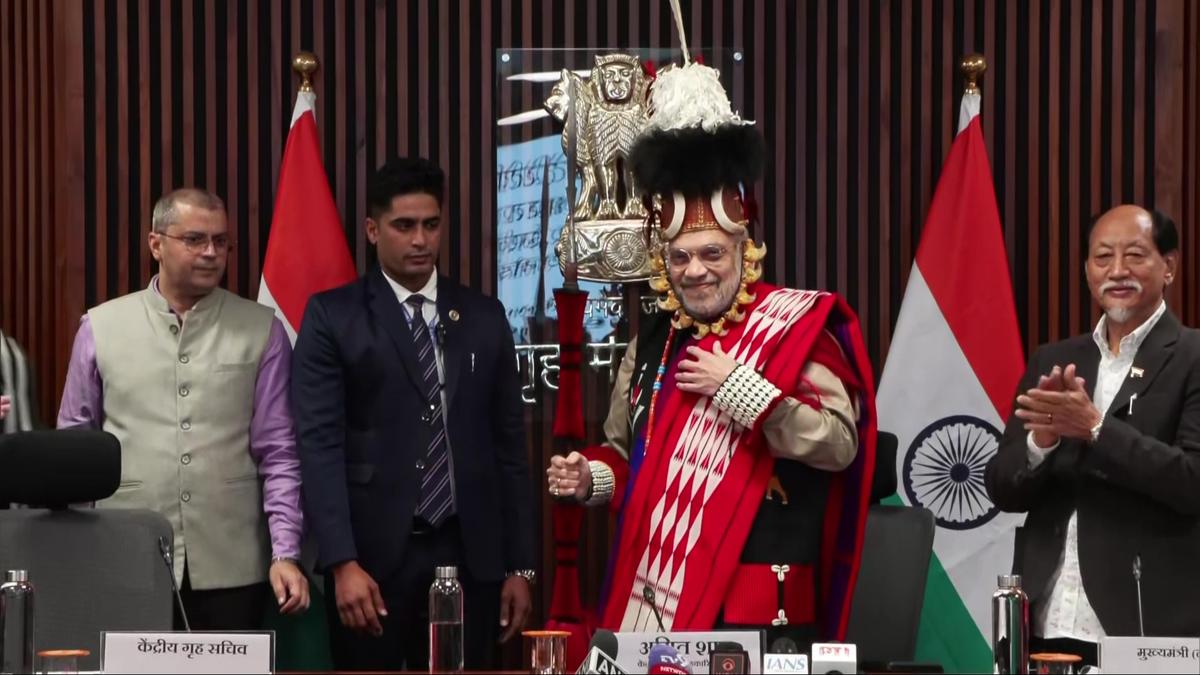
A tripartite agreement was signed on February 5, 2026, in Delhi between the Union Government, the Nagaland Government, and the Eastern Nagaland People’s Organisation (ENPO) for the creation of the Frontier Nagaland Territorial Authority. The agreement aims to address the long-standing grievances and developmental needs of the people of Eastern Nagaland. Union Home Minister Amit Shah, Nagaland CM Nephiu Rio, and ENPO representatives were present at the signing ceremony.
Key Points:
- The agreement establishes the Frontier Nagaland Territorial Authority (FNTA).
- The ENPO had been demanding the creation of a separate FNT comprising six districts: Kiphire, Longleng, Mon, Noklak, Shamator, and Tuensang.
- The Union Home Ministry will fund the territorial authority and provide extensive support.
- Negotiations began in 2022 after ENPO members met with Home Minister Amit Shah.
- The agreement is intended to fulfill the local aspirations of Eastern Nagaland.
Critical Analysis:
The provided context does not offer significant insight to warrant a full critical analysis.
Key Takeaways:
- The signing of the agreement marks a significant step towards resolving the long-standing conflict and fulfilling the aspirations of the people of Eastern Nagaland.
- The Union Government’s commitment to funding and supporting the FNTA signals a focused effort on regional development.
- The collaborative approach involving the Union Government, the Nagaland Government, and the ENPO demonstrates a willingness to address regional concerns through dialogue and negotiation.
Impact Analysis:
The establishment of the Frontier Nagaland Territorial Authority has the potential for significant long-term impact:
- Regional Development: The FNTA, with central funding, should drive focused development in the previously neglected districts of Eastern Nagaland.
- Political Stability: Addressing the ENPO’s demands can contribute to greater political stability and reduce separatist sentiments in the region.
- Governance: The FNTA can create more localized and effective governance structures, catering specifically to the needs and culture of the Eastern Nagaland population.
 First Piper