
Thu Feb 05 17:20:00 UTC 2026: # Political Standoffs and International Tensions Dominate Global Headlines
The Story
A confluence of political and international issues marked the day. Domestically, the Indian Parliament faced disruptions over the alleged silencing of opposition leaders, specifically regarding Rahul Gandhi. Internationally, tensions simmered with Pakistan reiterating its boycott of a T-20 World Cup match against India, and with China emphasizing Taiwan as a critical issue in its relationship with the United States. Meanwhile, discussions surrounding energy security and trade deals added further complexity to the global landscape, as did the ending of a key nuclear arms treaty between the U.S. and Russia.
Key Points
- The Indian Parliament was repeatedly adjourned due to protests over the alleged muzzling of opposition leader Rahul Gandhi.
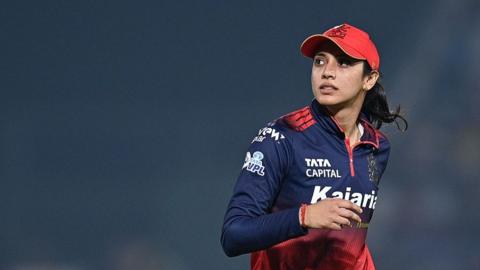
- Pakistan reaffirmed its decision to boycott the T-20 World Cup match against India, citing solidarity with Bangladesh.
- China’s President Xi Jinping told President Trump in a phone call that Taiwan is “the most important issue” in China-U.S. relations.
- Russia stated it saw “nothing new” in India’s announcement to diversify its oil purchases.
- The New START treaty between the U.S. and Russia, limiting nuclear warheads, has expired.
- Iran’s foreign minister reported nuclear talks with the U.S. would be held in Oman.
Key Takeaways
- Domestic political tensions in India remain elevated, potentially impacting legislative efficiency.
- Geopolitical fault lines are becoming more pronounced, particularly between China and the U.S. over Taiwan.
- Energy security continues to be a major driver of international relations, influencing trade agreements and diplomatic strategies.
- The expiration of the New START treaty raises concerns about nuclear arms control and global security.
- Ongoing negotiations, such as the U.S.-Iran nuclear talks, highlight efforts to address pressing international issues, despite the complexities.
 First Piper