
Thu Feb 05 09:50:00 UTC 2026: ### Milan and Cortina d’Ampezzo Gear Up for 2026 Winter Olympics Amidst Security Concerns and Neutral Athlete Participation
The Story:
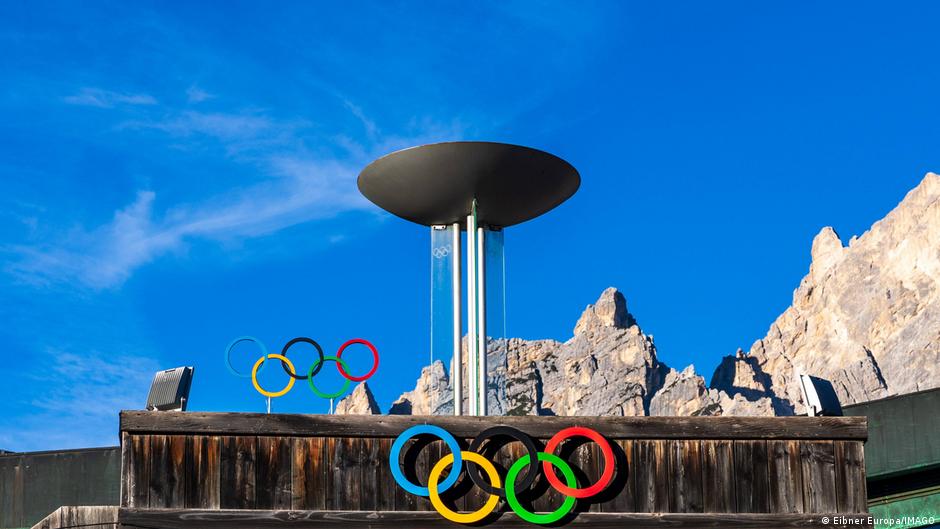
The 25th Winter Olympic Games are set to officially open on February 6, 2026, in Milan and Cortina d’Ampezzo, Italy. The event will feature approximately 2,900 athletes from over 90 countries competing for 116 medal sets. The opening ceremony will be held at the Giuseppe Meazza Stadium in Milan, while competitions will spread across multiple Italian resorts. A key point of contention involves the participation of athletes from Russia and Belarus, who are only permitted to compete as neutral individuals under strict conditions due to the ongoing conflict in Ukraine. Security measures are also heightened, with both Italian and US authorities involved.
Key Points:
- The Winter Olympics will officially open on February 6, 2026, in Milan and Cortina d’Ampezzo.
- Approximately 2,900 athletes from over 90 countries will participate.
- Athletes from Russia and Belarus can only compete as neutral athletes, contingent upon meeting specific criteria related to military affiliations and public statements regarding the conflict in Ukraine. As of January 29, 2026, 13 athletes from Russia and 7 from Belarus were approved.
- Security will be managed by Italian authorities, with assistance from US Immigration and Customs Enforcement (ICE) in a “consultative and intelligence-gathering” role.
- Doping control will be primarily managed by the International Testing Agency (ITA), with some sports federations handling their own testing.
- The budget for the Olympic and Paralympic Games is approximately 1.6 billion euros.
Key Takeaways:
- The 2026 Winter Olympics are proceeding amid complex geopolitical considerations, particularly regarding the participation of Russian and Belarusian athletes.
- Security remains a significant concern, necessitating international collaboration between Italian and U.S. authorities.
- The decentralized nature of the Games, spread across multiple locations, presents logistical and security challenges.
- Doping control remains a critical focus, with efforts to ensure fair competition despite varying approaches among sports federations.
- The success of the Games hinges on factors such as ticket sales and effective budget management.
 First Piper