
Wed Jan 14 08:40:44 UTC 2026: ### Headline: Bengaluru Food Mela Sparks Debate on Entomophagy in India
The Story:
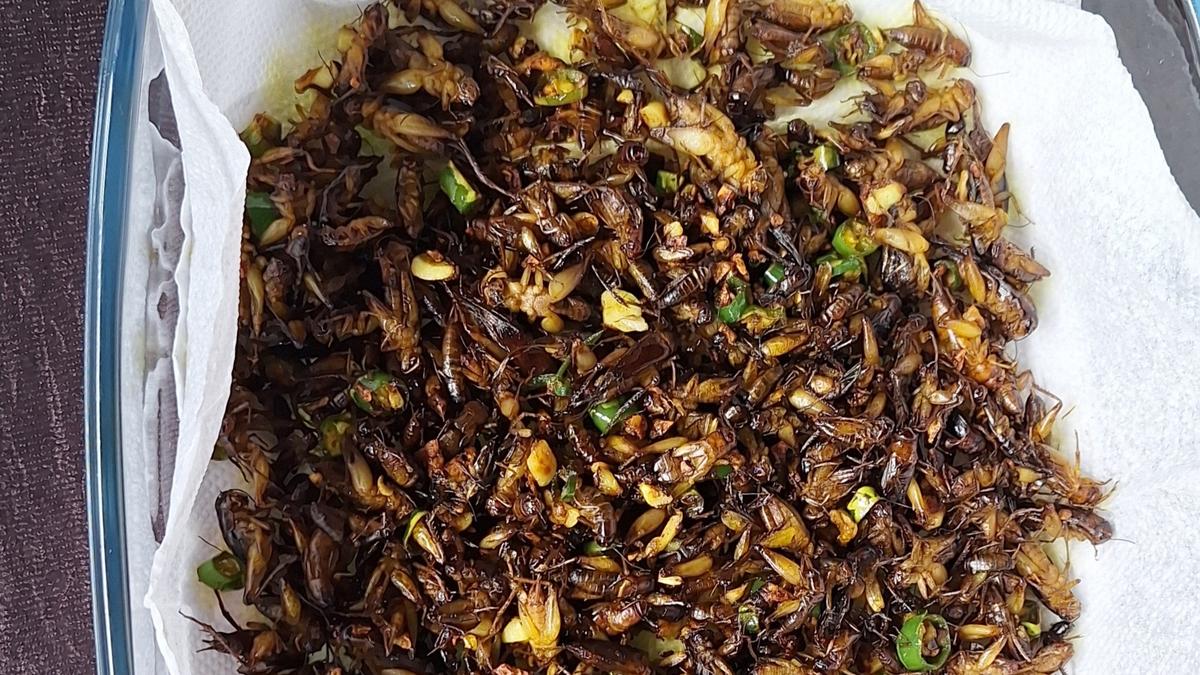
A food mela at the Science Gallery in Bengaluru sparked discussions on the consumption of insects, or entomophagy, within India. While many visitors perceived insect-eating as a foreign practice, the exhibition highlighted its historical presence in various Indian states, particularly in Northeast India. The stall offered insect-based foods like cricket cookies and fried silkworms, leading to surprise and shifted perceptions among first-time tasters. The event underscored the complexities surrounding food choices, cultural biases, and the potential of insects as a sustainable protein source.
Key Points:
- Entomophagy, though practiced in India for generations, is often perceived as a foreign concept.
- A food stall in Bengaluru offered cricket cookies, chili garlic crickets, and fried silkworms, with 60% of tasters trying insects for the first time.
- Taste significantly influenced perception; some compared silkworms to “overcooked kidney beans,” while crickets were noted for their flavor.
- Insects are presented as a sustainable protein source due to their nutritional value and lower resource requirements compared to traditional livestock.
- Urbanization and class perceptions contribute to the dismissal of insect-eating as “backward” despite its prevalence in rural communities.
- The exhibition aimed to highlight the assumptions, hesitations, and hierarchies shaping food choices, raising questions about sustainability and cultural biases.
- Presenting insects in processed forms, like cookies, helped lower psychological barriers for consumers.
Critical Analysis:
The event in Bengaluru showcases a significant tension between tradition and modernity, rural and urban, in the context of evolving food systems. The dissonance stems from urbanization distancing people from traditional food practices, combined with ingrained class biases that associate insect-eating with less “aspirational” lifestyles. The repeated framing of insect-eating as “indigenous” or associated with rural communities, even when it has historical roots within the country, underscores this cultural distance and the need for mindful food choices. The awareness campaign by Rahul Dravid about edible oil quantities on December 12, 2025, and the concern voiced by TMC in early February 2026, to replace palm oil with local alternatives points to a broader awareness of sustainability issues surrounding food, which aligns with the conversation around entomophagy.
Key Takeaways:
- Entomophagy presents a potential solution to growing food demands and resource limitations but faces cultural and psychological barriers in urban India.
- Overcoming these barriers requires addressing perceptions of insect-eating as “backward” and emphasizing its nutritional and environmental benefits.
- Public-facing experiments like food stalls can play a crucial role in normalizing insect-based foods by creating low-pressure spaces for exploration.
- The focus on sustainable rearing practices for insects is essential for ensuring the safety, consistency, and ethical sourcing of edible insects.
- Acknowledging and crediting the communities where entomophagy is already a part of food culture is crucial for promoting acceptance and sustainability.
Impact Analysis:
This event signals a growing interest in alternative protein sources and sustainable food practices in India. The success of initiatives like the Bengaluru food mela could lead to further exploration and acceptance of entomophagy, particularly if combined with culturally sensitive approaches, innovative food processing techniques, and public awareness campaigns. Long-term, a shift towards entomophagy could contribute to greater food security, reduced environmental impact, and a more inclusive food system that values traditional knowledge and practices. The discussion about children explaining how insects help humans from January 24, 2026, if channeled in the right direction, will also help shape younger generations.
 First Piper