
Wed Feb 04 08:11:21 UTC 2026: ### Electoral Roll Controversy: Mamata Banerjee Argues Against SIR in Supreme Court
The Story:
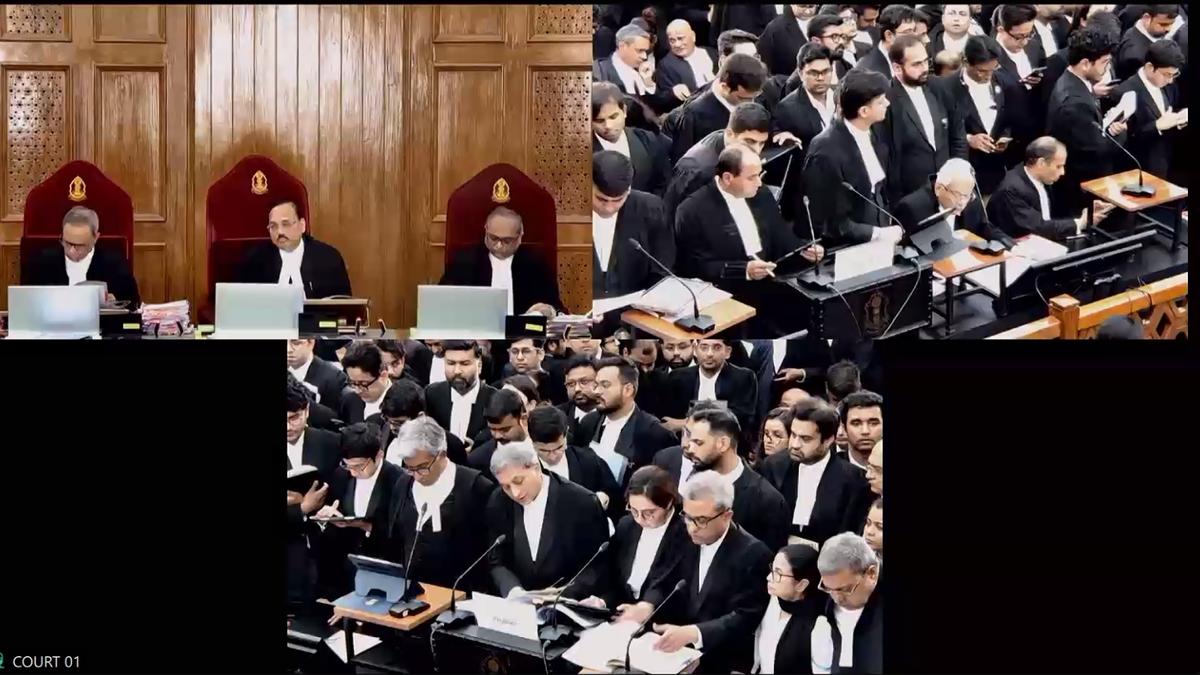
West Bengal Chief Minister Mamata Banerjee appeared in person before a Supreme Court Bench headed by Chief Justice of India Surya Kant on February 4, 2026, to challenge the legality of the Special Intensive Revision (SIR) exercise conducted in West Bengal by the Election Commission of India (ECI). Ms. Banerjee has been vocal against the SIR, citing the deletion of over 58 lakh electors and discrepancies such as gender bias and community-specific targeting. The Supreme Court issued notice to the ECI regarding the appointment of micro-observers in West Bengal, and the next hearing is scheduled for February 9, 2026.
The Chief Minister argued that the SIR process is unfairly targeting West Bengal, leading to mass exclusions and questioning the timing of the exercise close to Assembly elections. The ECI, represented by Rakesh Dhawan, countered that the State government was not cooperating, necessitating the appointment of micro-observers. Ms. Banerjee pleaded to save democracy, highlighting issues such as name discrepancies, exclusion of married daughters, and a lack of response from the ECI to her letters.
Key Points:
- Mamata Banerjee personally appeared before the Supreme Court on February 4, 2026, to challenge the legality of the SIR in West Bengal.
- Over 58 lakh electors have been deleted from West Bengal’s draft electoral roll released on December 16, 2025.
- Ms. Banerjee alleges the ECI is targeting West Bengal and raised concerns about discrepancies in the SIR process, including gender bias and community-specific deletions.
- The Supreme Court issued notice to the ECI regarding the appointment of micro-observers in West Bengal.
- The ECI claims non-cooperation from the State government necessitated the appointment of micro-observers.
- The next hearing is scheduled for February 9, 2026.
Critical Analysis:
The events leading up to February 4, 2026, suggest a mounting tension between the West Bengal government and the Election Commission of India. Mamata Banerjee’s repeated communications with the CEC (Gyanesh Kumar) and her public appearances in Delhi prior to the court hearing indicate a strategic effort to highlight the alleged irregularities in the SIR process. The claim by Trinamool Congress MP Mahua Moitra that talks with the CEC “came to nothing” and that the CEC is “an exceedingly arrogant person who has been placed there by the BJP,” suggests a political dimension to the controversy, with accusations of partisan bias within the ECI. The statement by Suvendu Adhikari that Mamata Banerjee’s Delhi visit is a “planned drama” to disrupt voter list sanitization hints that other political actors perceive strategic calculations behind the CM’s actions.
Key Takeaways:
- The dispute over the Special Intensive Revision in West Bengal has escalated to the Supreme Court, with significant implications for the state’s electoral landscape.
- The credibility of the ECI is under scrutiny, with allegations of bias and lack of transparency.
- The high number of voter deletions raises concerns about the fairness and inclusivity of the electoral process.
- The political stakes are high, with the controversy occurring just ahead of Assembly elections.
- The Supreme Court’s intervention highlights the seriousness of the allegations and the need for a fair and impartial resolution.
Impact Analysis:
The outcome of the Supreme Court hearing will significantly impact the upcoming Assembly elections in West Bengal. If the court finds the SIR process to be flawed, it could lead to a revision of the electoral rolls, potentially reinstating a substantial number of voters. Conversely, if the court upholds the SIR, it could solidify the existing voter list, potentially affecting the election outcome. The controversy has also raised broader questions about the independence and impartiality of the ECI, which could have long-term implications for the integrity of India’s electoral system. Public trust in the electoral process is at stake, and the Supreme Court’s decision will play a crucial role in shaping public perception of the fairness and legitimacy of elections in West Bengal and across the country.
 First Piper