
Wed Feb 04 17:06:13 UTC 2026: # Kerala Farmers Face Agricultural Crisis Due to Water Shortage
The Story:
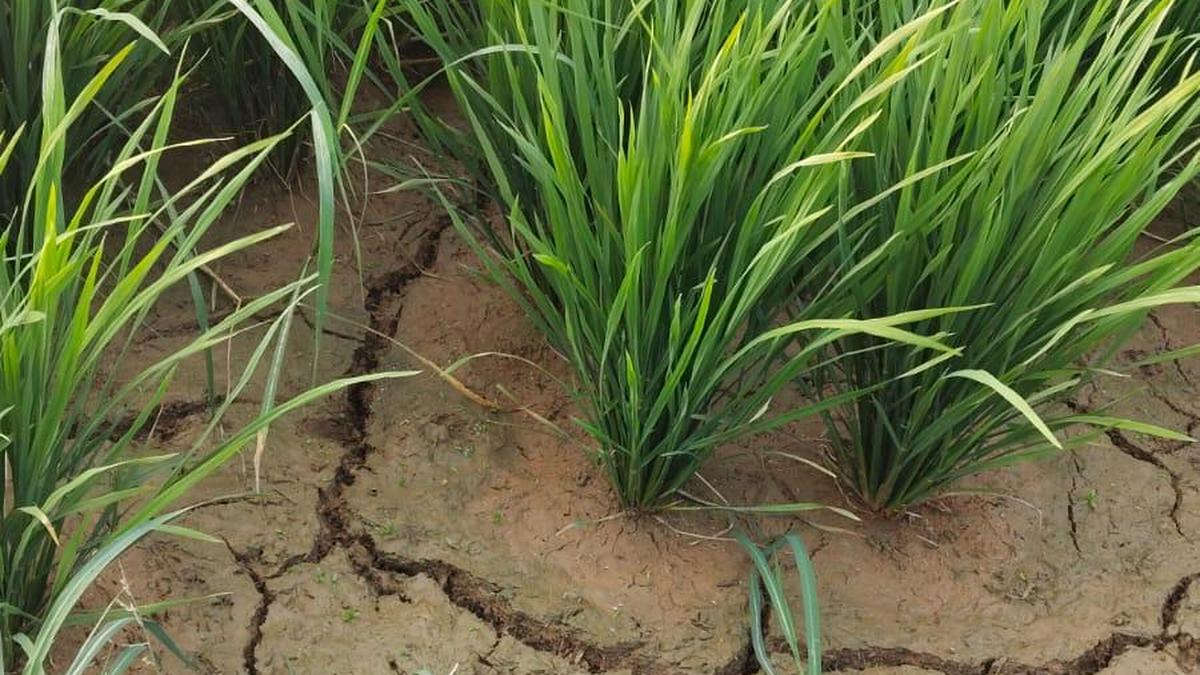
Farmers in the Velookkara, Aloor, Puthenchira, and Mala grama panchayats of Thrissur district are grappling with a severe agricultural crisis due to a lack of irrigation water. This shortage is threatening both rice cultivation and other crops in the region, particularly affecting the Kannukettichira–Vazhikkilichira polder where 35 acres of paddy cultivation, initiated in December 2025, are now facing drought. The farmers attribute the crisis to the Kerala State Electricity Board’s (KSEB) failure to release adequate water from its dams into the irrigation system.
Key Points:
- Farmers in Thrissur district are experiencing a severe water shortage impacting rice cultivation and other crops.
- The Kannukettichira–Vazhikkilichira polder, with 35 acres of paddy, is particularly affected.
- Water sources, Vazhikkili chira and Venkulam chira, have dried up due to disrupted flow from the Kottanellur branch canal.
- Farmers blame the KSEB for not releasing sufficient water from the Lower Sholayar and Peringalkuthu dams after power generation.
- National Green Socialist president Vaxarin Perappadan alleges a structural imbalance in Kerala’s water governance, with the KSEB controlling a majority of the state’s dams and water storage.
- Farmers are demanding legal amendments to ensure timely and adequate water supply for agriculture and have warned of protest marches.
- Representations have been submitted to Chief Minister Pinarayi Vijayan, Power Minister K. Krishnankutty, Agriculture Minister P. Prasad, and Water Resources Minister Roshy Augustine.
Critical Analysis:
The historical context, coupled with this news article, reveals a recurring pattern of water-related issues in Kerala and surrounding regions. The news about West Kochi’s water shortage, A.P. unveiling a water policy, and the Mettur Dam water level indicate broader water management challenges. The mention of a toll-free number for paddy procurement complaints hints at existing issues within the agricultural sector that are now compounded by the water crisis in Thrissur. The death related to a water tanker lorry points to dangers in trying to get sufficient water.
Key Takeaways:
- Water governance imbalance: The KSEB’s control over water resources significantly impacts agricultural irrigation, creating a conflict between power generation and agricultural needs.
- Recurring crisis: Kerala faces annual irrigation supply disruptions, indicating systemic issues in water resource management.
- Farmer frustration: Protests have become “ritualistic exercises,” suggesting a lack of effective resolution mechanisms for agricultural water disputes.
- Urgent intervention needed: Immediate corrective measures and legal amendments are required to guarantee water rights for farmers.
- Regional Water Stress: The broader historical context indicates Kerala is part of a regional trend of water shortage across India that needs addressing.
Impact Analysis:
This agricultural crisis in Thrissur, coupled with the recurring pattern of water-related issues across Kerala, has significant long-term implications. The failure to address the structural imbalances in water governance and guarantee water rights for farmers could lead to:
- Decreased Agricultural Output: Reduced crop yields could threaten food security and negatively impact the livelihoods of farmers.
- Increased Social Unrest: Growing frustration among farmers could lead to escalated protests and social instability.
- Economic Hardship: The agricultural sector’s decline could further strain Kerala’s economy.
- Migration: Continued agricultural failures due to water shortages could trigger migration of farmers seeking alternative livelihoods.
- Policy Reforms: The crisis underscores the urgent need for comprehensive water policy reforms in Kerala, prioritizing agricultural needs and ensuring equitable distribution of water resources.
 First Piper