
Wed Feb 04 06:48:51 UTC 2026: Headline: India’s Budget 2026 Prioritizes Domestic Growth Amidst Geopolitical Shifts
The Story:
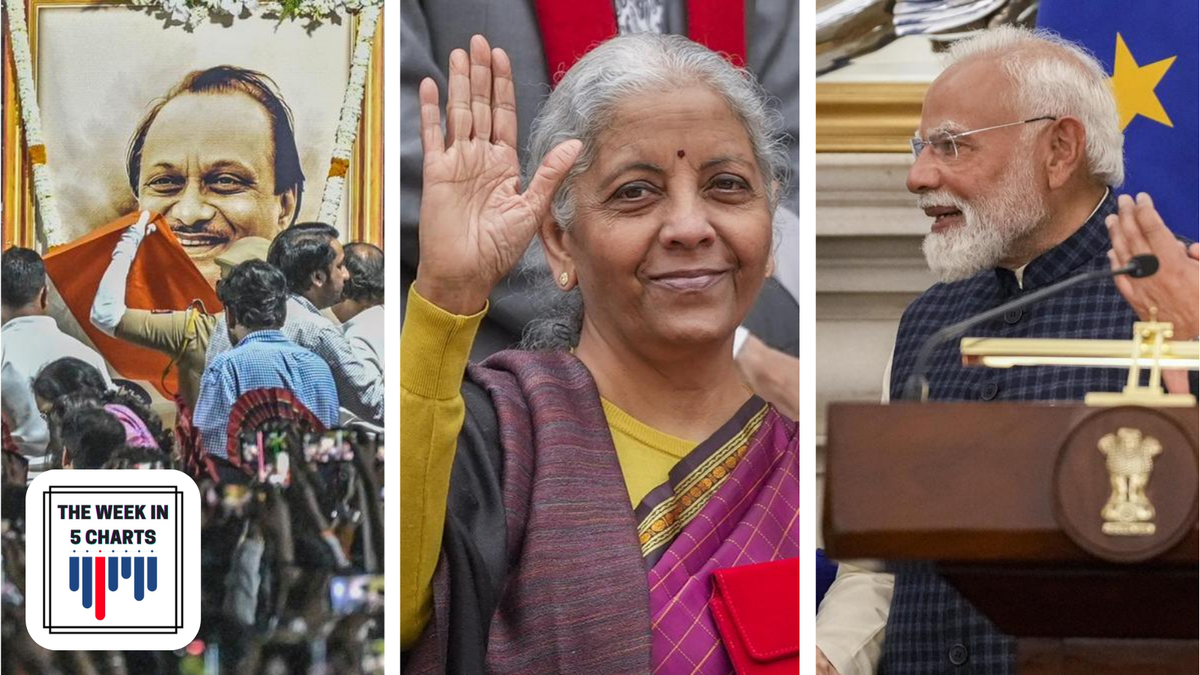
On Sunday, February 1, 2026, Union Finance Minister Nirmala Sitharaman presented her ninth Union Budget in Parliament, outlining the Centre’s income and expenditure plans for 2025-26. The Economic Survey, tabled on January 31, 2026, projected GDP growth between 6.8% and 7.2% for FY26 and indicated that the government is on track to meet its fiscal deficit target of 4.4% of GDP for FY25. The budget presentation occurred against a backdrop of evolving global trade dynamics, including a new trade deal with the EU and existing tariffs from the U.S.
Simultaneously, the political landscape in Maharashtra experienced a jolt with the death of Deputy Chief Minister Ajit Pawar in a plane crash on January 28, 2026. In other news, the Tamil Nadu government announced the winners of its Film Awards for 2016-2022, celebrating achievements in the film industry.
Key Points:
* Union Budget 2026 was presented on February 1, 2026.
* GDP growth for FY26 is projected between 6.8% and 7.2%.
* The government aims to achieve a fiscal deficit of 4.4% of GDP for FY25.
* India signed a bilateral trade deal with the EU.
* The U.S. imposed 50% tariffs on Indian imports due to oil purchases from Russia.
* Maharashtra Deputy Chief Minister Ajit Pawar died in a plane crash on January 28, 2026.
* Tamil Nadu government announced Film Awards for 2016-2022.
Critical Analysis:
The budget presentation and economic survey are taking place amidst significant geopolitical and domestic challenges. The U.S. tariffs are a direct consequence of India’s independent foreign policy regarding Russian oil, revealing the increasing pressure from the U.S. on nations that don’t align with its geopolitical strategies. The EU trade deal is a strategic counterbalance, offering India an alternative market and reinforcing its commitment to multilateralism. The emphasis on strengthening domestic growth levers suggests an anticipation of continued global trade volatility and a focus on internal resilience. The Parliament live updates show that the India-U.S. trade deal is a point of contention being actively debated and is causing disruption, highlighting its importance.
Key Takeaways:
* India is navigating a complex global trade environment marked by both opportunities (EU trade deal) and challenges (US tariffs).
* The budget reflects a focus on domestic economic strength to mitigate the impact of global uncertainties.
* India’s foreign policy decisions have direct economic consequences, necessitating diversification of trade partners.
* Domestic politics are facing turmoil with the sudden death of Ajit Pawar in Maharashtra.
* Cultural events like the Tamil Nadu Film Awards continue to thrive, showcasing regional artistic achievements.
Impact Analysis:
The budget’s success hinges on its ability to boost domestic growth, particularly given the external pressures from U.S. tariffs and the opportunities presented by the EU trade deal. The focus on strengthening domestic growth levers will have long-term implications for India’s economic resilience and its ability to navigate future global economic shocks. The EU trade deal could reshape India’s trade relationships, potentially leading to deeper economic integration with Europe and reduced dependence on the U.S. market. The political instability in Maharashtra, following Ajit Pawar’s death, could lead to shifts in the state’s political landscape and impact future policy decisions.
 First Piper