
Tue Feb 03 18:19:36 UTC 2026: Headline: U.S. Tariff Reduction on Indian Goods Poised to Boost Karnataka’s Key Sectors
The Story:
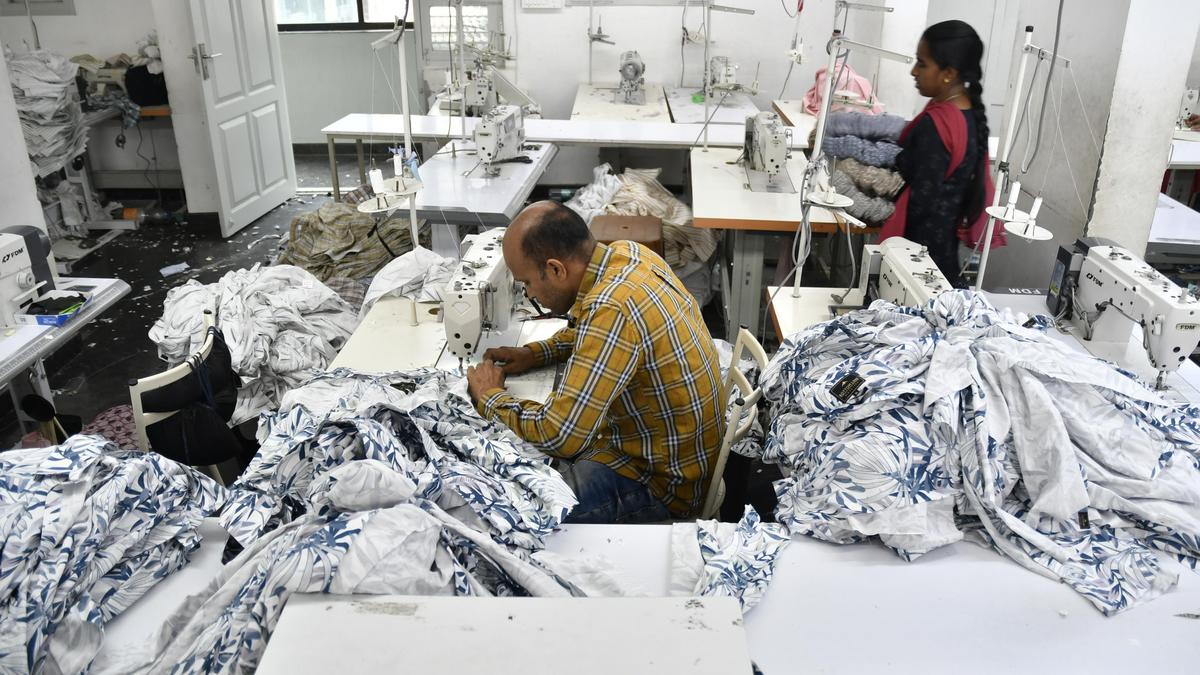
The U.S. government’s decision to lower import tariffs on Indian goods is anticipated to provide a substantial advantage to Karnataka’s garment exporters, MSMEs, aerospace, and auto component manufacturers. Industry leaders believe this move will also positively impact emerging sectors like electronics, semiconductors, pharmaceuticals, agro-products, and Global Capability Centres (GCCs). The tariff reduction to 18% is expected to improve India’s competitiveness compared to countries like Bangladesh, Vietnam, China, and Pakistan, shifting focus from cost arbitrage to value-led innovation and advanced engineering.
Key Points:
- The U.S. reduced import tariffs on Indian goods, benefiting several sectors in Karnataka.
- Karnataka’s garment exporters are expected to receive a significant boost.
- MSMEs are expected to experience relief regarding profitability and competitiveness.
- The tariff reduction aims to improve India’s competitiveness versus Asian countries.
- The new tariff structure positions India favorably against China (30%) and Vietnam (19%).
- The move aligns with policy measures designed to accelerate growth, exports, and employment in Karnataka.
- It is anticipated that more high-value technology work will move to Indian GCCs.
Critical Analysis:
The provided context points to a broader narrative of trade relations and policy changes driving this decision. The NDTV report from February 3, 2026, highlights Surat textile traders anticipating an export boost, while another report quotes Piyush Goyal addressing opposition attacks regarding the timing of the tariff cuts. The Jammu and Kashmir Chief Minister also welcomes the tariff cut. The action of the US government can be seen as a strategic move to bolster trade ties with India.
Key Takeaways:
- The U.S. tariff reduction is part of a larger geopolitical and economic strategy.
- Karnataka stands to gain significantly across multiple sectors.
- The move suggests a shift towards value-added services and technology within India’s export portfolio.
- Domestic political considerations likely influenced both the implementation and announcement of the tariff cuts.
- This decision could incentivize further foreign investment and expansion of GCCs within India.
Impact Analysis:
The long-term impact of the U.S. tariff reduction could be substantial. It has the potential to reshape India’s role in the global economy, transitioning it from a primarily cost-competitive exporter to a hub for high-value technology and innovation. This will promote economic development beyond Bangalore to emerging technology hubs like Mysuru and Mangaluru. The altered trade landscape also necessitates continuous adaptation by businesses in other countries such as Vietnam and China. It will be imperative for them to discover new ways to improve competitiveness.
 First Piper