
Wed Feb 04 01:32:51 UTC 2026: ### Headline: Trump Signs Funding Bill, Averting Shutdown but Setting Stage for Homeland Security Showdown
The Story
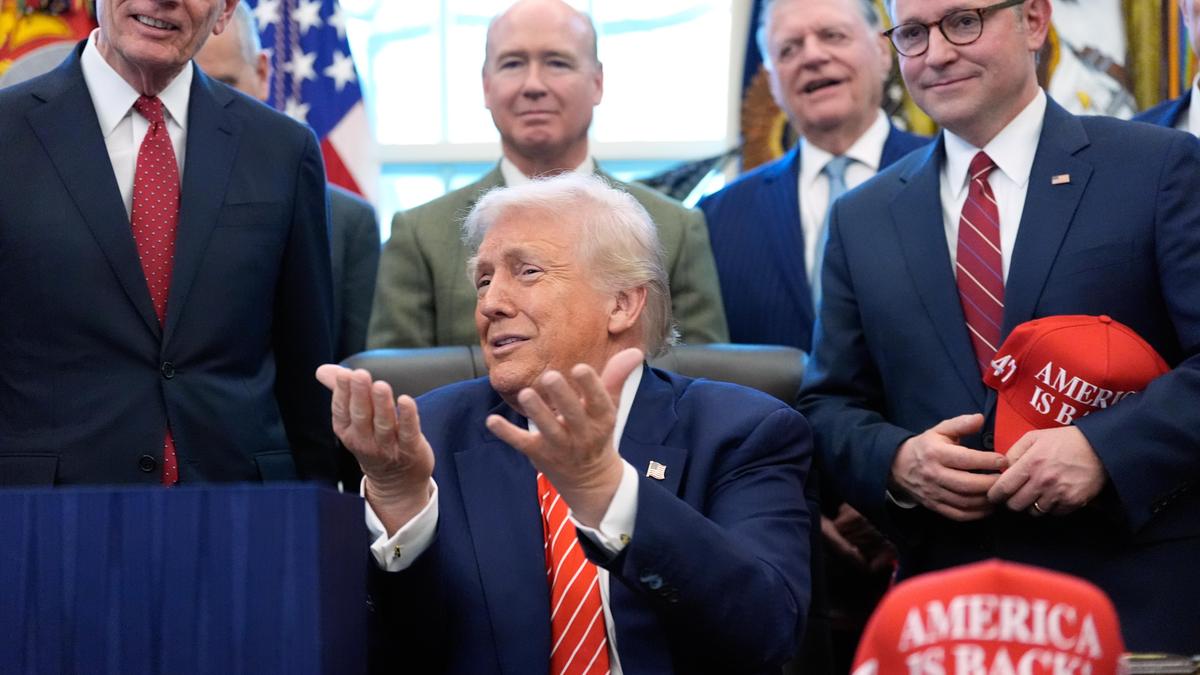
On February 3, 2026, President Donald Trump signed a $1.2 trillion government funding bill, ending a partial federal shutdown that had commenced over the weekend. The bill passed the House with a 217-214 vote and funds government agencies and programs through September 30, 2026. However, the legislation only funds the Department of Homeland Security for two weeks, through February 13, 2026, due to Democratic demands for stricter immigration enforcement following the deaths of Alex Pretti and Renee Good. This sets the stage for a contentious debate in Congress over Homeland Security funding.
Key Points
- President Trump signed a $1.2 trillion government funding bill on February 3, 2026, ending a partial shutdown.
- The bill funds most government agencies through September 30, 2026.
- Homeland Security is only funded through February 13, 2026, sparking debate over immigration enforcement.
- House Democrats are demanding substantial changes to ICE operations.
- Speaker Mike Johnson is optimistic about reaching an agreement, while Senate Majority Leader John Thune is less so.
Critical Analysis
The historical context offers limited direct insight into the funding bill negotiations. However, the surrounding news suggests a broader trend of Trump’s continued involvement in national and international issues, from domestic policy disputes (funding bill) to international relations (comments on Colombia, urging Putin to end the war). This consistent engagement, even outside of the executive office, suggests a sustained effort to influence political discourse and potentially foreshadows future political ambitions.
Key Takeaways
- The government shutdown was averted, but a larger battle looms over Homeland Security funding and immigration policy.
- Democrats are leveraging their position to push for reforms within ICE and the Department of Homeland Security.
- The short-term funding extension indicates a lack of bipartisan consensus on immigration enforcement.
- The successful passage of most of the appropriations bills suggests progress in government functionality since the longer shutdown in the fall.
- Trump remains a central figure in American politics, actively shaping both domestic and foreign policy debates.
Impact Analysis
The impending showdown over Homeland Security funding could have significant implications for immigration policy and enforcement. Depending on the outcome of negotiations, there could be substantial changes to ICE operations, impacting border security, deportation policies, and the treatment of immigrants. A failure to reach an agreement could result in another shutdown, disrupting critical Homeland Security functions. The outcome will also likely influence the upcoming elections, as immigration remains a highly polarized issue.
 First Piper