
Wed Feb 04 15:07:30 UTC 2026: ### Road Traffic Census Planned for Kalaburagi Region in Late February
The Story:
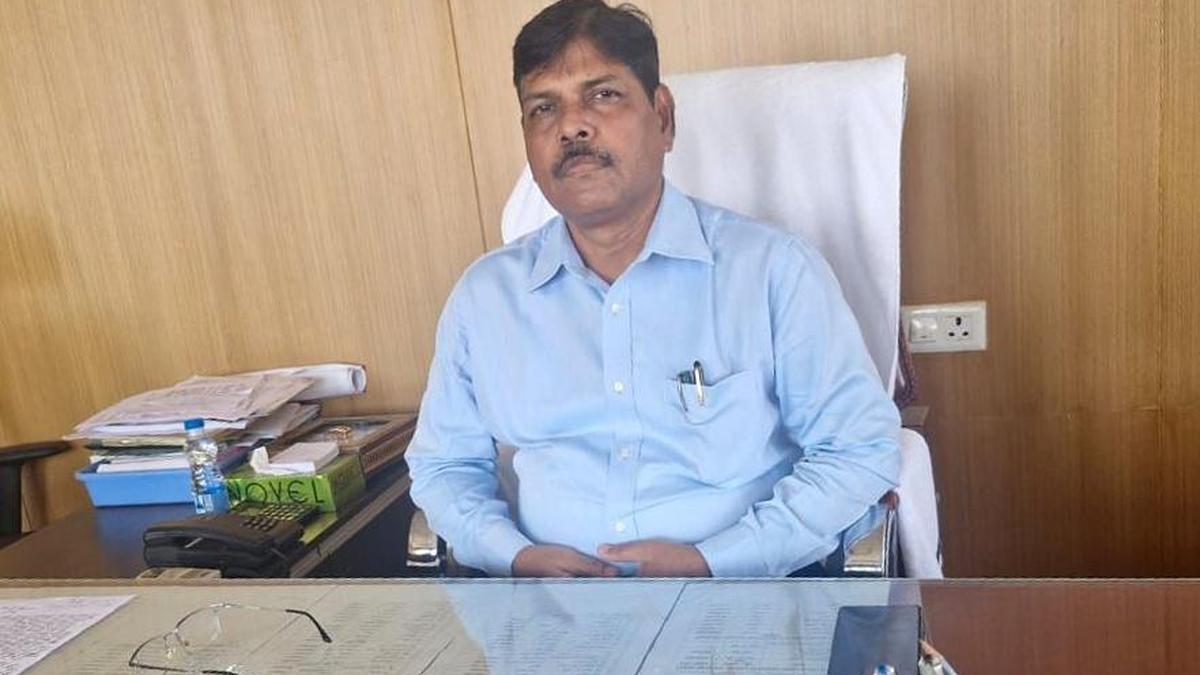
The Public Works Department (PWD) will conduct a comprehensive road traffic census on February 26-27, 2026, across the Kalaburagi region’s State Highways and Major District Roads. Chief Engineer Sharanappa Sulagante announced that the census will operate continuously from 6 a.m. on February 26 to 6 a.m. on February 27, utilizing 1,062 counting stations. The purpose is to gather data on traffic intensity and growth to inform future road maintenance, upgrades, widening projects, and accident prevention strategies.
The census aims to provide insights into traffic patterns, enabling the government to design targeted development programs and safety interventions. The Chief Engineer appealed to the public for cooperation, requesting motorists to drive cautiously during the census period to facilitate accurate data collection. The collected data is expected to form a crucial foundation for future road development and safety measures in the region.
Key Points:
- The Public Works Department (PWD) will conduct a road traffic census in the Kalaburagi region on February 26-27, 2026.
- 1,062 counting stations will be set up, with 370 on State Highways and 692 on Major District Roads.
- The census will operate continuously for 24 hours starting at 6 a.m. on February 26.
- The objective is to assess traffic intensity, growth, and patterns to aid road maintenance, upgrades, and accident prevention planning.
- Public cooperation is requested to ensure accurate data collection.
Critical Analysis:
There are several other news items occurring simultaneously, indicating a broader focus on data collection and infrastructure planning across the state and nation. The concurrent discussions around the Census 2027, the National Conference of State Election Commissioners, and potential inclusion of caste-based questions for the Census highlight a period of intense governmental activity centered on gathering and analyzing demographic and infrastructural data.
Key Takeaways:
- The road traffic census in Kalaburagi is part of a broader governmental effort to collect data for infrastructure and societal planning.
- The timing of the census suggests a coordinated effort with other data collection activities like the upcoming Census 2027, allowing for potential cross-referencing and more comprehensive analysis.
- The emphasis on public cooperation indicates the importance placed on the accuracy and reliability of the collected data.
- The results of the traffic census will directly influence future infrastructure development and safety measures in the Kalaburagi region.
- The focus on accident prevention planning highlights a proactive approach to road safety.
Impact Analysis:
The successful completion and analysis of this road traffic census will likely have a long-term impact on the Kalaburagi region. More informed decisions regarding road maintenance, upgrades, and widening will result in improved transportation infrastructure. The targeted development programs and safety interventions, based on traffic patterns identified during the census, could potentially lead to a reduction in traffic accidents and improved overall road safety. Furthermore, the data collected could contribute to more efficient allocation of resources for transportation infrastructure projects in the future.
 First Piper