
Wed Feb 04 09:28:10 UTC 2026: # Tamil Nadu Raises Sanitary Worker Pay Amidst Public Health Concerns
The Story:
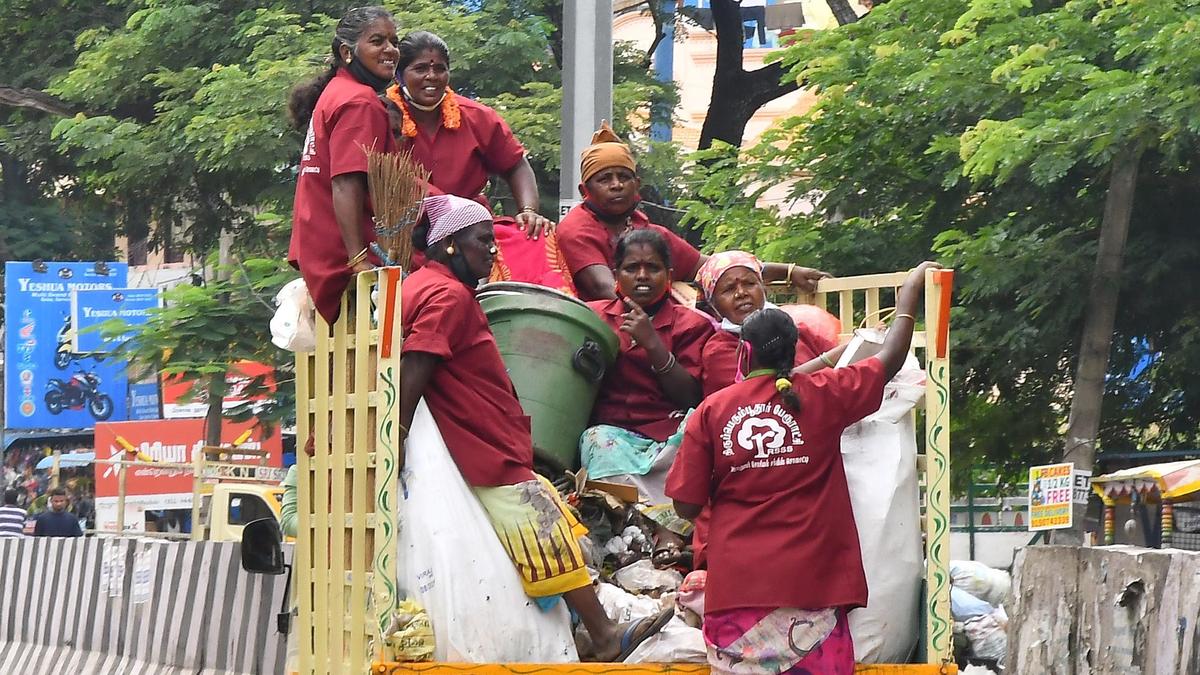
The Tamil Nadu government has approved an increase in the monthly consolidated remuneration for sanitary workers (Thooimai Kavalars) employed in village panchayats. The increase raises their pay from ₹5,000 to ₹6,000. The Rural Development and Panchayat Raj Department officially issued the order on Tuesday, February 4, 2026, allocating ₹476.136 crore per annum from the State Finance Commission Grant to cover the increased wages. These workers are crucial for solid waste management, including collection, segregation, and safe disposal, ensuring cleanliness in rural areas.
Key Points:
- The Tamil Nadu government increased sanitary worker pay.
- The new monthly salary is ₹6,000, up from ₹5,000.
- The order was issued on February 4, 2026, by the Rural Development and Panchayat Raj Department.
- Funding of ₹476.136 crore per year will come from the State Finance Commission Grant.
- The workers are responsible for solid waste management in village panchayats.
- The last salary revision occurred on April 1, 2023, increasing pay from ₹3,600 to ₹5,000.
Critical Analysis:
The pay increase for sanitary workers in Tamil Nadu can be viewed in the context of other events unfolding on the same day, February 4, 2026. Notably, a related article highlights a “Cancer Surge in Tamil Nadu,” indicating a growing public health crisis within the state. The increased investment in sanitary workers’ wages could be a strategic response to improve waste management and sanitation, potentially mitigating environmental factors contributing to the rising cancer rates. Additionally, the Madras High Court’s remarks on Anti-Hindi Imposition discourse could be indicative of the state government’s need to address the needs of the citizens.
Key Takeaways:
- The Tamil Nadu government is prioritizing rural sanitation and waste management.
- The pay raise suggests a recognition of the vital role sanitary workers play in public health.
- The timing of the increase, alongside reports of a cancer surge, may indicate a proactive approach to addressing public health concerns through environmental improvements.
- The government’s move to increase the wages can be perceived as an attempt to create positive public perception in a state where Anti-Hindi Imposition sentiment is simmering.
Impact Analysis:
The increased remuneration for sanitary workers is likely to have a positive impact on their livelihoods and morale. It also underscores the government’s commitment to improving rural sanitation. Long-term, improved waste management practices could contribute to a healthier environment, potentially reducing disease prevalence and supporting overall public health initiatives. This targeted investment could serve as a model for other states facing similar challenges in rural sanitation and public health. This measure might help foster goodwill for the state government.
 First Piper