
Wed Feb 04 05:59:59 UTC 2026: ### Spain and Greece Move to Ban Social Media for Teenagers, Provoking Fury from Elon Musk
The Story:
Spain and Greece are proposing bans on social media use for teenagers, aiming to protect children from the perceived dangers of online platforms. Spain, under Prime Minister Pedro Sánchez, seeks to prohibit social media access for those under 16, while Greece is considering a similar ban for children under 15. These measures have drawn strong criticism from Elon Musk, owner of X (formerly Twitter), who labeled Sánchez a “tyrant” and “traitor” in response to the proposed legislation holding social media executives accountable for hate speech. This move follows similar considerations in countries like Britain and France, with Australia already implementing a ban for children under 16 in December 2025.
Key Points:
- Spain proposes banning social media for under-16s; Greece considering a ban for under-15s.
- Pedro Sánchez aims to hold social media executives personally responsible for hate speech.
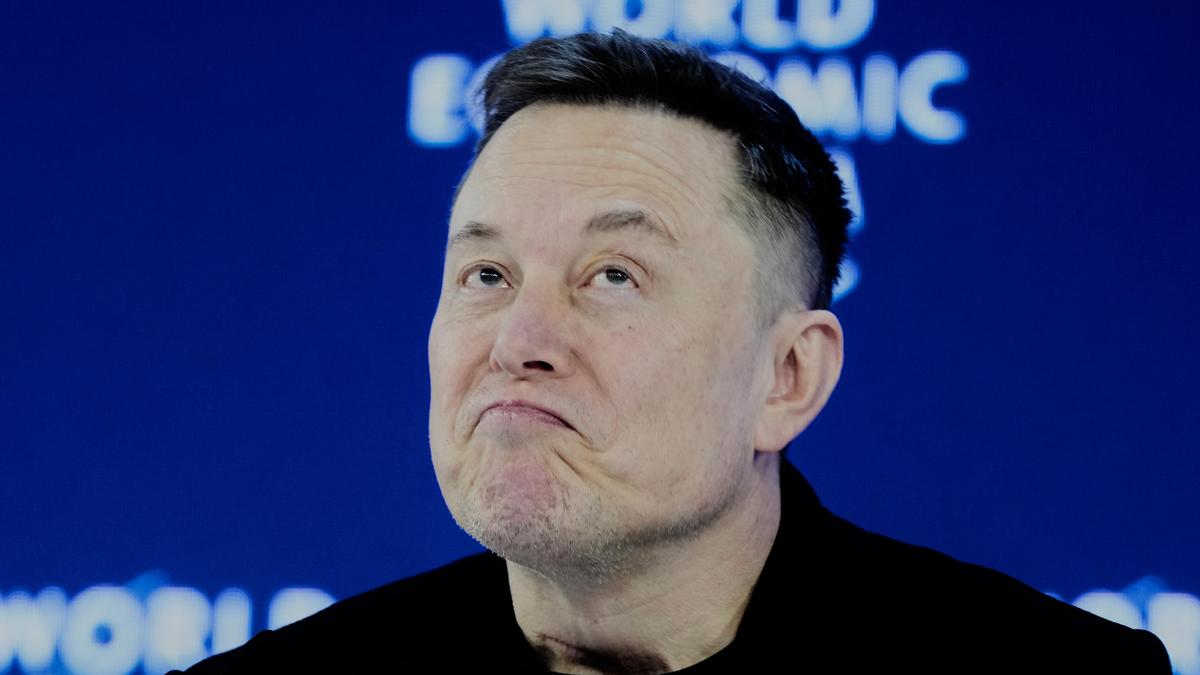
- Elon Musk reacted strongly, calling Sánchez a “tyrant” and “traitor” on X.
- Australia implemented a ban on social media for children under 16 in December 2025.
- AI-generated content and recent controversies involving Elon Musk’s Grok AI chatbot have fueled the debate.
- A poll indicates that 82% of Spaniards believe children under 14 should be banned from social media.
- Spain is joining the “Coalition of the Digitally Willing” to coordinate cross-border regulation.
Key Takeaways:
- Growing global concern over the impact of social media on children’s mental health and development is driving legislative action.
- Governments are increasingly considering stricter regulations and holding social media companies accountable for content on their platforms.
- The proposed bans highlight the tension between government regulation and the perceived freedom of speech on social media platforms, as exemplified by Elon Musk’s reaction.
- Age verification technology and the potential for users to switch to unregulated platforms pose significant challenges to implementing and enforcing such bans effectively.
- The rise of AI-generated content and concerns about non-consensual images are further fueling the debate around social media regulation.
Impact Analysis:
The actions by Spain and Greece, along with similar movements in other European countries and Australia, signal a potential paradigm shift in how governments approach social media regulation. This trend may lead to the following long-term impacts:
- Stricter Regulations: Social media companies could face increasing legal and financial burdens as governments implement stricter regulations and hold executives accountable for content on their platforms.
- Technological Development: Increased investment and development in age verification technologies to comply with the new regulations.
- User Behavior: Users, especially younger ones, may migrate to smaller, less regulated platforms or encrypted messaging services, potentially making content moderation more difficult.
- Global Standards: The “Coalition of the Digitally Willing” could influence the development of global standards for social media regulation, potentially affecting platforms worldwide.
- Future Innovation: Innovation in social media and online content creation, including AI development, may be influenced by the need to comply with stricter regulatory frameworks, potentially leading to a more cautious approach to new technologies.
 First Piper