
Wed Feb 04 07:35:05 UTC 2026: ### Headline: Rafah Crossing Reopens Amid Delays, Restrictions, and Ceasefire Fragility
The Story:
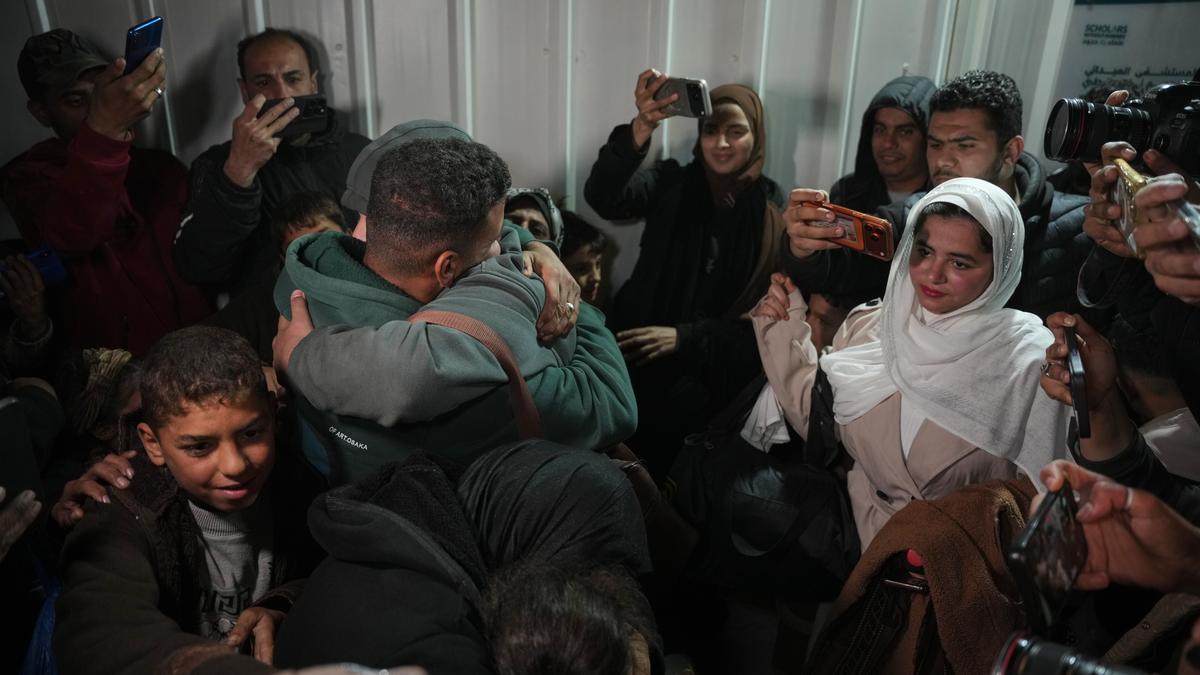
The Rafah border crossing between Gaza and Egypt, a vital lifeline, partially reopened on February 3, 2026, after a prolonged closure during the Israel-Hamas war, but the process was marred by significant delays and restrictions. While a bus carrying approximately 40 Palestinians returned to Gaza via Rafah on February 4, 2026, the number of evacuees and returnees fell far short of the promised figures and the overwhelming needs of the population. The crossing is intended to facilitate the evacuation of patients for medical treatment unavailable in Gaza and the return of Palestinians who fled earlier in the conflict.
The situation remains dire, with hospitals in Gaza struggling to cope with trauma injuries and chronic conditions after years of conflict. The restricted import of humanitarian aid and medical supplies exacerbates the crisis, leading to warnings of a “death sentence” for patients in need of urgent care. Despite the reopening, the slow pace and stringent conditions highlight the fragility of the ceasefire and the complex political dynamics governing the region.
Key Points:
- The Rafah border crossing partially reopened on February 3, 2026, after being closed during the Israel-Hamas war.
- Approximately 40 Palestinians returned to Gaza via Rafah on February 4, 2026, arriving at Nasser Hospital in Khan Younis.
- The number of people allowed to cross fell short of the anticipated 50 in each direction.
- Returnees reported being subjected to interrogations and searches by Israeli troops.
- The import of humanitarian aid and goods through Rafah remains prohibited.
- Hospitals in Gaza are struggling to provide adequate medical care due to limited resources and infrastructure damage.
- The UN and WHO are calling for Rafah to function as a real humanitarian corridor to allow for a surge in aid deliveries.
- Israeli Prime Minister Benjamin Netanyahu has stated that anyone who wants to leave will eventually be permitted to do so, but Egypt fears Israel could use this to push Palestinians out of Gaza.
- Ahmed Abdel-Al, 19, was reportedly killed by Israeli troops on February 3, 2026.
Critical Analysis:
The events surrounding the Rafah crossing underscore a calculated effort by Israeli forces to control the flow of people and resources in and out of Gaza, even amidst a supposed ceasefire. The delays, interrogations, and restrictions on luggage indicate a security-focused approach that prioritizes Israeli concerns over the humanitarian needs of the Palestinian population. Egypt’s concern about a potential forced displacement of Palestinians from Gaza further complicates the situation, highlighting the deep-seated distrust and conflicting interests in the region. The selective allowance of medical evacuees while blocking general aid suggests a strategy of managing the crisis without fundamentally addressing its root causes.
Key Takeaways:
- The reopening of the Rafah crossing is largely symbolic, with minimal impact on the humanitarian crisis in Gaza.
- Israeli security concerns and bureaucratic hurdles continue to impede the flow of people and aid.
- The fragile ceasefire is threatened by ongoing violence and restrictions.
- The international community’s calls for a genuine humanitarian corridor are being largely ignored.
- The situation highlights the urgent need for a sustainable solution that addresses the underlying causes of the conflict and ensures the well-being of the Palestinian population.
Impact Analysis:
The restrictive reopening of the Rafah crossing sets a precedent for continued limited access and control over Gaza’s borders. This will likely prolong the humanitarian crisis, impede reconstruction efforts, and fuel further resentment and instability. The international community’s failure to ensure a meaningful humanitarian corridor could undermine its credibility and contribute to a further erosion of trust in diplomatic solutions. In the long term, this situation could exacerbate the conflict and hinder any prospects for a lasting peace agreement.
 First Piper