
Wed Feb 04 08:57:35 UTC 2026: # Parliament Paralyzed by Opposition Protests Over India-U.S. Trade Deal and National Security Concerns
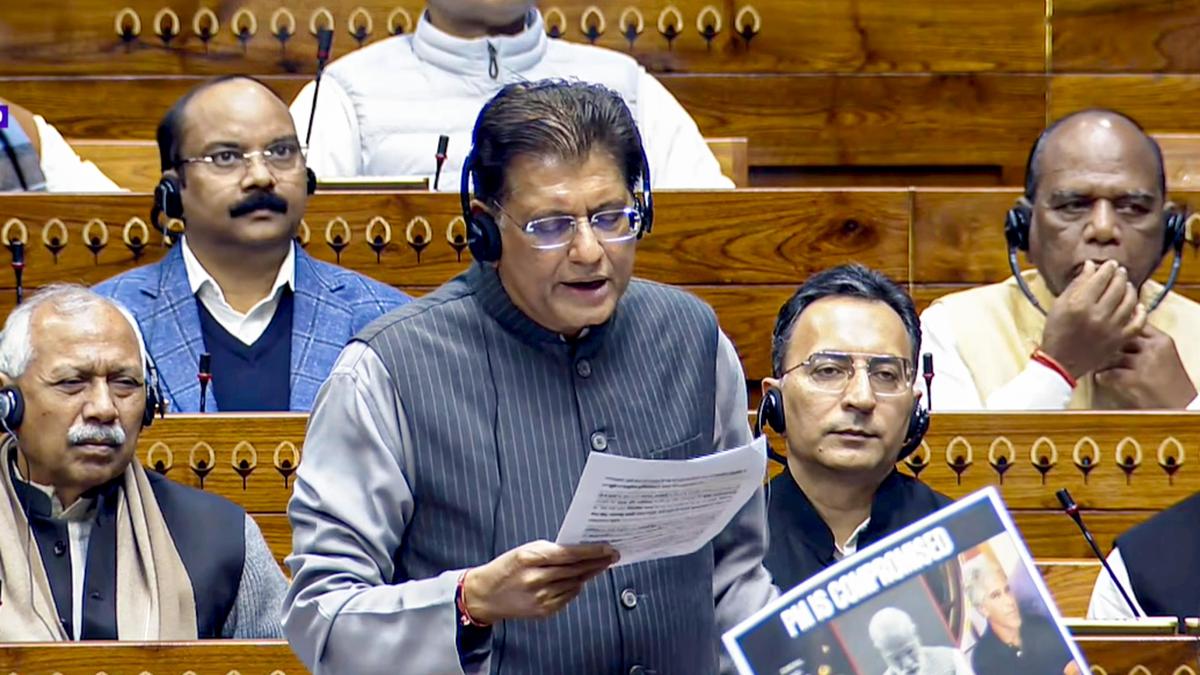
The Story: The Indian Parliament is facing significant disruptions as the Budget session is repeatedly adjourned amidst relentless protests by Opposition members. The uproar stems from multiple issues, including objections to the India-U.S. trade deal details, Rahul Gandhi being allegedly silenced on national security matters related to the 2020 India-China conflict, and broader concerns regarding the government’s handling of Maoist insurgency and allocation of resources to states. Union Minister Piyush Goyal’s attempts to address the House on the India-U.S. trade deal have been repeatedly thwarted by the disruptive protests.
Key Points:
- Speaker Om Birla has repeatedly adjourned the Lok Sabha due to persistent protests by Opposition members.
- Eight MPs were suspended the previous day for throwing paper on the Chair.
- Union Minister Piyush Goyal informed the Lok Sabha about the India-U.S. trade deal, emphasizing the protection of India’s agriculture and dairy sectors.
- Rahul Gandhi lodged a formal protest with the Speaker, alleging he was disallowed from speaking on a matter of national security (the India-China conflict).
- The government claims the India-U.S. trade deal will help India progress towards “Viksit Bharat,” particularly in sectors like data centers, renewable energy, nuclear energy, and aviation.
- The Opposition raised concerns that the trade deal was announced outside of Parliament.
- The government aims to end Maoism by March 2026.
- Donald Trump reduced tariffs on India-made goods to 18% after a phone call with PM Modi on February 2, 2026.
Critical Analysis:
The events unfolding in Parliament reflect a deep divide between the ruling party and the Opposition. The Opposition’s coordinated protests, marked by sloganeering and disruptions, indicate a strategic effort to hold the government accountable on multiple fronts. Rahul Gandhi’s allegations of being silenced on national security, coupled with concerns over the India-U.S. trade deal, suggest a broader narrative of the government suppressing dissent and potentially compromising national interests. The government’s emphasis on “Viksit Bharat” and its focus on specific sectors through the trade deal suggests a long-term economic strategy that the Opposition appears to be challenging.
Key Takeaways:
- Parliamentary proceedings are severely hampered by ongoing Opposition protests.
- The India-U.S. trade deal and national security concerns are central to the political conflict.
- The Opposition is accusing the government of stifling debate and prioritizing external agreements over domestic concerns.
- The government is portraying the trade deal as a crucial step towards economic development.
- The events highlight the increasing polarization of Indian politics.
 First Piper