
Wed Feb 04 11:36:56 UTC 2026: ### Parliament Gripped by Uproar Over India-U.S. Trade Deal and Disruptions
The Story: Indian Parliament witnessed significant disruptions on February 4, 2026, as opposition parties protested against the India-U.S. trade deal and other issues, leading to adjournments in both the Lok Sabha and Rajya Sabha. Union Commerce Minister Piyush Goyal‘s statements regarding the trade deal, particularly the protection of the agriculture and dairy sectors, drew heavy criticism. Opposition members accused the government of undermining Indian farmers and compromising national sovereignty.
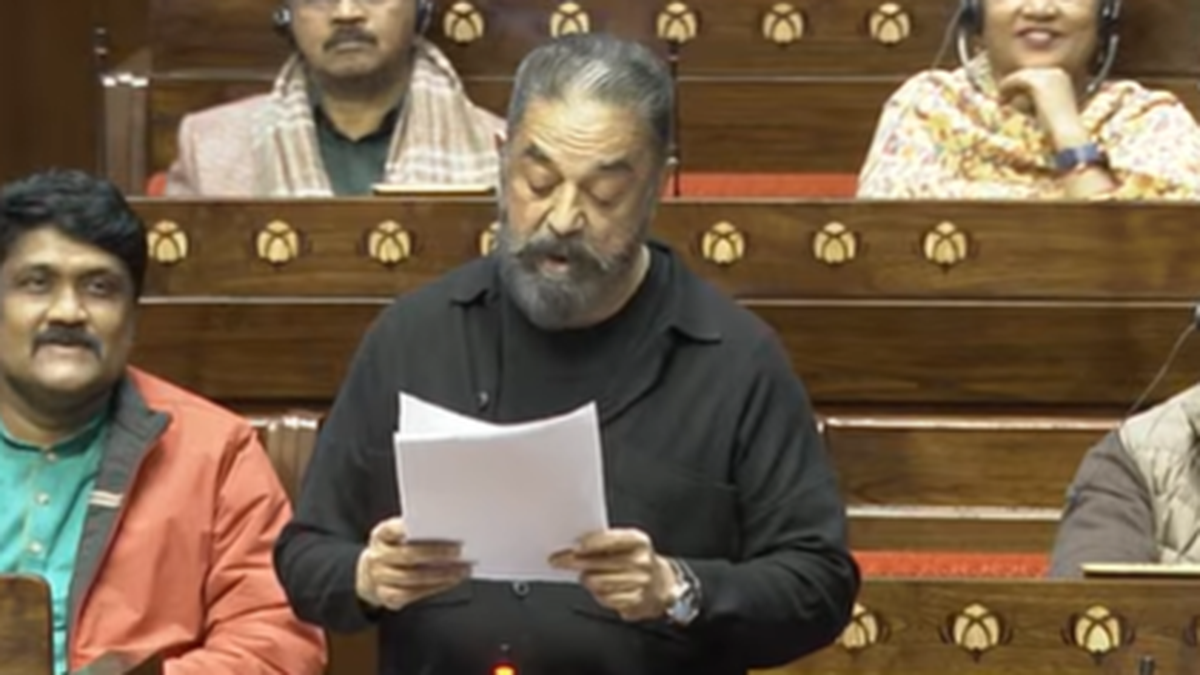
The day was also marked by protests over Rahul Gandhi’s disallowed speech on national security, the suspension of MPs for unruly behavior, and discussions ranging from social justice and Maoist attacks to water scarcity in Hyderabad and the plight of Tamil Nadu fishermen. MNM MP Kamal Haasan made his maiden speech, emphasizing the importance of a progressive democracy.
Key Points:
- Speaker Om Birla urged protesting Opposition members to reflect on their actions after eight MPs were suspended for throwing paper.
- Piyush Goyal stated that the India-U.S. trade deal protects Indian agriculture and dairy sectors, sparking opposition uproar.
- Rahul Gandhi protested being disallowed to speak on national security, labeling it a “blot” on democracy.
- Kamal Haasan delivered his maiden speech in Rajya Sabha, highlighting the need for a growing progressive democracy.
- The Opposition accused the government of prioritizing social media announcements over parliamentary procedures regarding the trade deal.
- Minister of State Home Affairs, Nityanand Rai, stated that the Union Home Minister Amit Shah promised end Maoism by March 2026.
Critical Analysis:
The events unfolding in Parliament reflect a deep polarization and lack of consensus between the ruling party and the opposition. The opposition is using every opportunity to challenge the government’s policies, particularly the India-U.S. trade deal, portraying it as detrimental to Indian farmers and a compromise of national interests. Rahul Gandhi’s protest and the subsequent uproar indicate a struggle over freedom of speech and parliamentary procedure. The opposition’s coordinated strategy to disrupt proceedings highlights their intent to hold the government accountable and voice their concerns on key policy issues.
Key Takeaways:
- The India-U.S. trade deal remains a contentious issue, fueling political tensions within Parliament.
- Opposition parties are actively employing disruptive tactics to voice their dissent and challenge government policies.
- The speaker is attempting to maintain order and decorum amidst the ongoing turmoil.
- Statements made outside of Parliament before they are addressed inside are frowned upon and break House traditions.
- There are ongoing concerns regarding social justice, farmer welfare, and national security issues.
Impact Analysis:
The persistent disruptions and political polarization within Parliament could lead to legislative gridlock, hindering the government’s ability to pass crucial bills and implement policies. Public trust in the parliamentary process may erode if the focus remains on conflict rather than constructive dialogue. The future trajectory of the India-U.S. trade deal will significantly impact the Indian economy and its relationship with the United States. Escalating tensions could also have broader implications for governance and political stability in India.
 First Piper