
Wed Feb 04 10:51:28 UTC 2026: ### Parliamentary Gridlock: Opposition Protests Disrupt Budget Session Over India-U.S. Trade Deal and National Security Concerns
The Story:
Parliamentary proceedings in India were significantly disrupted on February 4, 2026, as Opposition protests brought both the Lok Sabha and Rajya Sabha to a standstill. The uproar stems from several issues, including the recently announced India-U.S. trade deal, which the Opposition claims will negatively impact Indian farmers, and allegations that the government is stifling debate on matters of national security. The suspension of eight MPs for unruly behavior further exacerbated tensions, leading to repeated adjournments and hindering the transaction of legislative business.
The India-U.S. trade deal, presented by Union Commerce Minister Piyush Goyal, is a central point of contention, with the Opposition alleging a lack of transparency and potential harm to the agriculture and dairy sectors. Leader of Opposition Rahul Gandhi has also protested being disallowed to speak on national security matters, specifically referencing the 2020 India-China conflict. The government defends the trade deal as beneficial for India’s progress towards “Viksit Bharat,” emphasizing protected sensitive sectors.
Key Points:
- Lok Sabha Speaker Om Birla criticized protesting Opposition members and adjourned the House multiple times.
- Eight MPs were suspended a day prior for disruptive behavior.
- Union Commerce Minister Piyush Goyal discussed the India-U.S. trade deal, asserting that it protects Indian agriculture and dairy sectors, despite Opposition claims to the contrary.
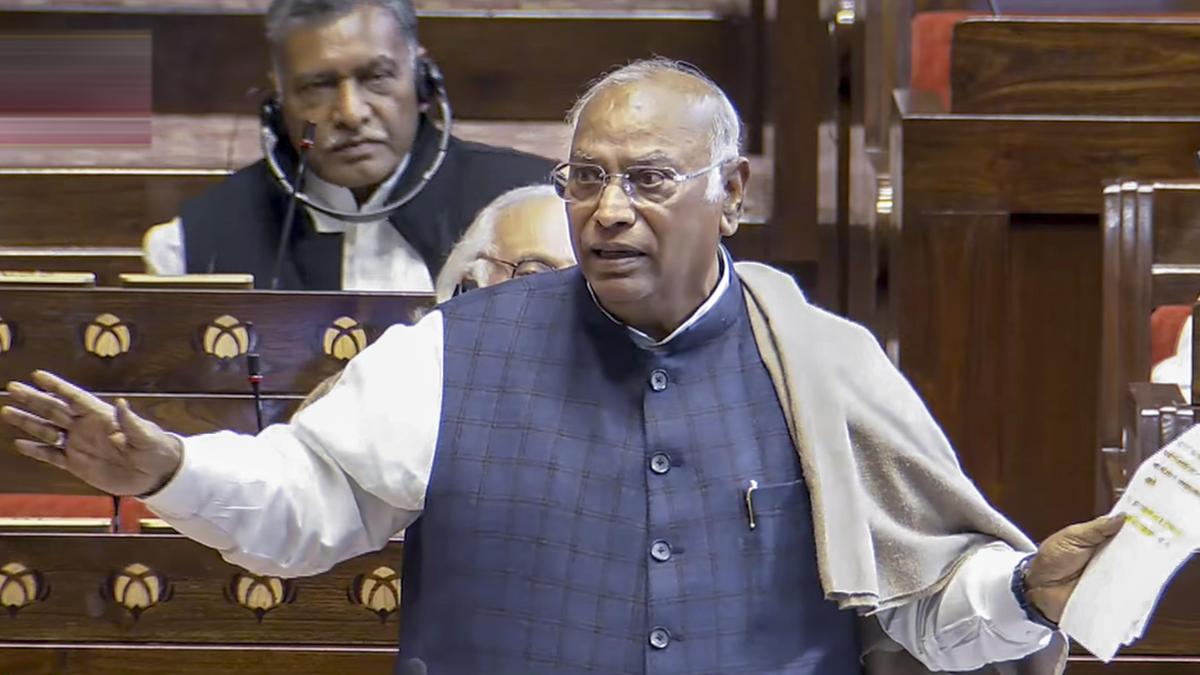
- Leader of Opposition Mallikarjun Kharge criticized the President’s address for neglecting key issues such as social justice, farmers’ struggles, and foreign policy shortfalls.
- Rahul Gandhi lodged a formal protest against being silenced on national security matters.
- Minister of State Home Affairs, Nityanand Rai, stated the Union government will end Maoism by March 2026.
- The announcement of the India-U.S. trade deal occurred after a phone conversation between PM Modi and former U.S President Trump.
Critical Analysis:
The events of February 4, 2026, indicate a deep-seated political divide and a breakdown in parliamentary decorum. The Opposition’s aggressive tactics, including sloganeering and protests within the House, suggest a deliberate strategy to disrupt the government’s agenda and draw attention to their grievances. This follows a pattern of increasing polarization in Indian politics, with the government and Opposition frequently clashing over policy and procedural matters. The government’s handling of the trade deal and the alleged silencing of Opposition voices on national security have become flashpoints, fueling the current parliamentary crisis.
Key Takeaways:
- The India-U.S. trade deal is a major source of political contention, with the Opposition questioning its benefits and potential impact on Indian farmers.
- Accusations of stifled debate on national security are further inflaming tensions between the government and the Opposition.
- Parliamentary proceedings are being severely hampered by persistent protests and a breakdown in decorum.
- The events reflect a wider trend of increasing political polarization in India.
- The suspension of MPs and subsequent uproar indicates a significant crisis in parliamentary functioning.
Impact Analysis:
The sustained disruption of parliamentary proceedings can have long-term implications for governance and policy-making in India. Prolonged gridlock can delay the passage of crucial legislation, undermine public trust in political institutions, and potentially damage India’s international standing. The accusations of stifling dissent and lack of transparency in the trade deal negotiations may also erode public confidence in the government’s commitment to democratic principles.
 First Piper