
Wed Feb 04 06:59:10 UTC 2026: ### Parliamentary Turmoil Erupts Over Trade Deal and Disruptions
The Story:
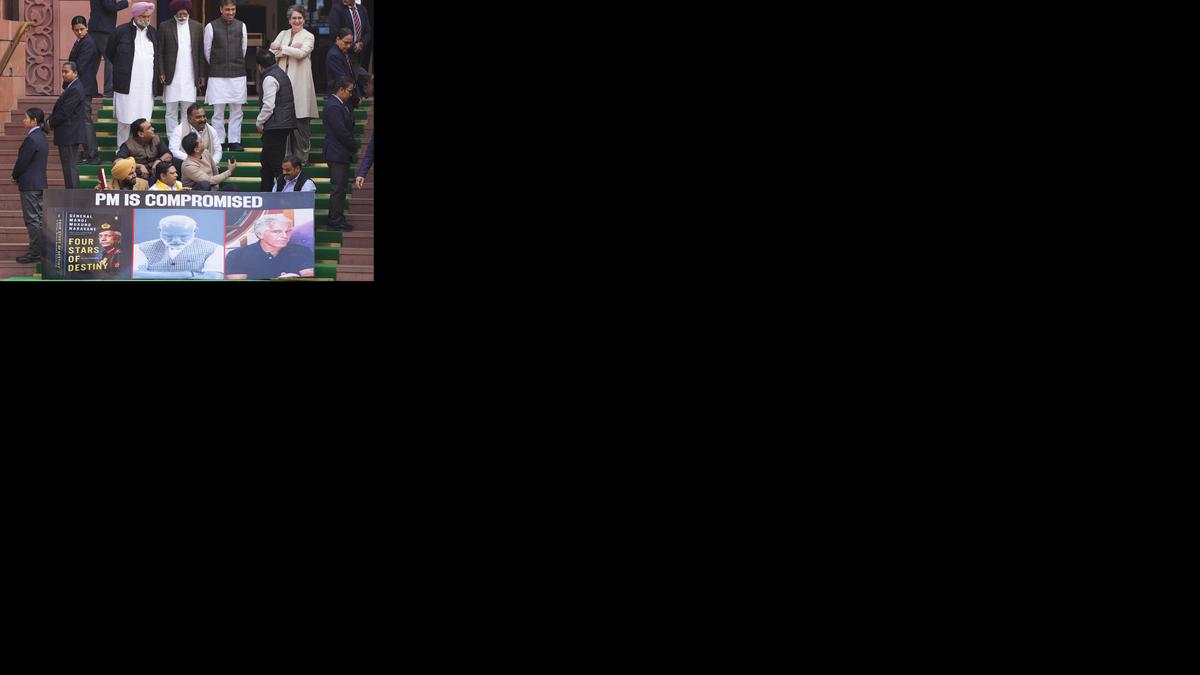
The Indian Parliament is facing significant disruptions as the Budget session unfolds. On February 3, 2026, the Lok Sabha was adjourned after the suspension of eight MPs due to unruly behavior, specifically throwing paper at the Chair. Opposition parties in both the Lok Sabha and Rajya Sabha are voicing strong concerns over the recently announced India-U.S. trade deal, particularly its potential impact on Indian farmers. Rahul Gandhi has also lodged a protest against the Speaker for restricting his ability to speak on matters of national security, relating to the 2020 India-China conflict.
Key Points:
- Eight MPs (seven from Congress, one from CPI(M)) were suspended from the Lok Sabha for the remainder of the Budget session.
- Opposition MPs are critical of the India-U.S. trade deal, fearing adverse effects on Indian farmers.
- CPI(M) leader John Brittas criticized the government for announcing the trade deal on social media before informing Parliament.
- Rahul Gandhi protested being disallowed to speak on national security matters, specifically referencing the India-China conflict of 2020.
- Union Commerce Minister Piyush Goyal stated that the India-U.S. trade deal details will be made public after further meetings.
- The government claims key sectors like agriculture and dairy were safeguarded during trade deal negotiations.
- The trade deal includes a reduction in tariff rates to 18%.
- Kerala MP Jebi Mather Hisham raises the demand for an AIIMS in Kerala.
- Tamil Nadu MP Tiruchi Siva, raises the “plight” of fisherfolk in Tamil Nadu and requests an immediate intervention by the central government.
Critical Analysis:
The disruptions in Parliament reflect deeper tensions between the ruling party and the opposition. The opposition’s uproar over the India-U.S. trade deal signifies concerns about transparency and potential negative consequences for the agricultural sector, a historically sensitive issue in Indian politics. Rahul Gandhi’s protest against being silenced on national security issues highlights the opposition’s perception of being marginalized in crucial debates. Announcing such a major trade deal via social media, as alleged by Brittas, fuels distrust and accusations of undermining parliamentary procedures.
Key Takeaways:
- The suspension of MPs indicates escalating tensions and a breakdown in parliamentary decorum.
- The India-U.S. trade deal is a major point of contention, raising questions about its impact on Indian farmers and the government’s negotiation process.
- The opposition is actively challenging the government’s handling of parliamentary proceedings and national security issues.
- Regional concerns, like the demand for an AIIMS in Kerala and the plight of Tamil Nadu fisherfolk, are being voiced amidst the broader political turmoil.
- Communication strategies play a crucial role in maintaining transparency and avoiding distrust within the government and between the government and the people.
Impact Analysis:
The current parliamentary turmoil could have long-term implications for the functioning of Indian democracy. The erosion of trust between the government and the opposition can hinder effective policymaking and legislative processes. The public airing of grievances related to the India-U.S. trade deal could also influence public opinion and affect future trade negotiations. The focus on regional issues within Parliament highlights the importance of addressing local concerns in national policy decisions. Moreover, the restrictions imposed on the freedom of speech of political leaders can severely compromise the democratic tenets. The inability of the government to communicate efficiently can erode the trust that exists between the government and its people.
 First Piper