
Wed Feb 04 05:42:04 UTC 2026: ### Parliamentary Gridlock: Opposition Protests Lead to Suspensions and Trade Deal Controversy
The Story:
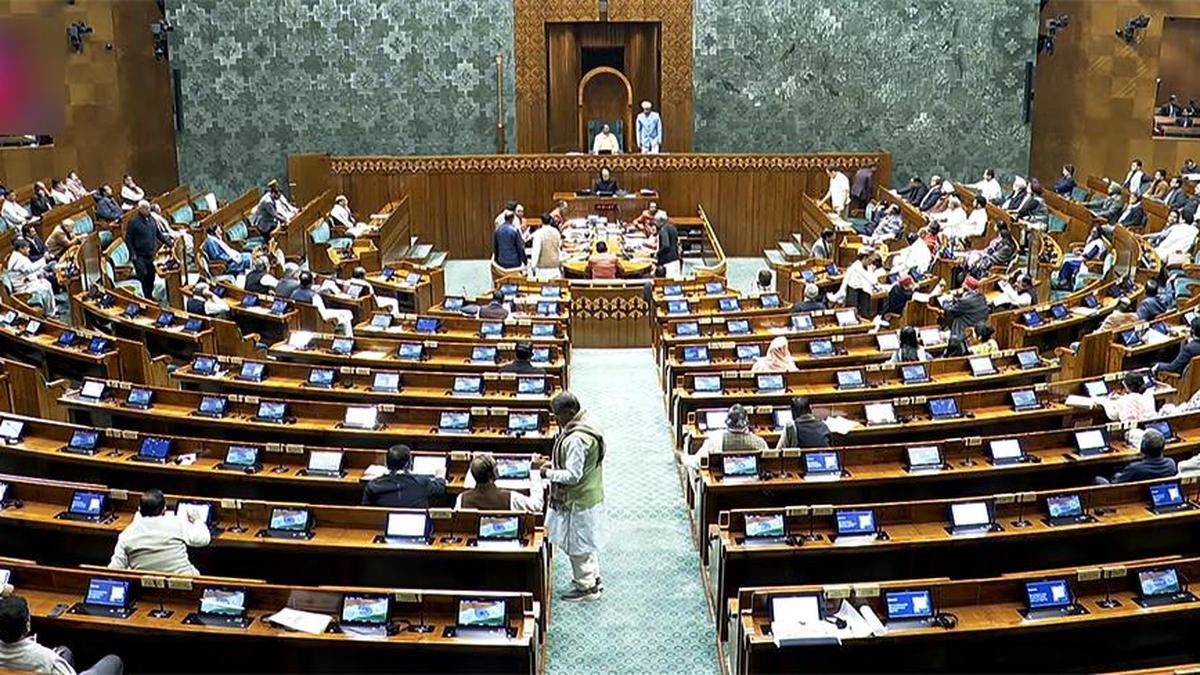
The Lok Sabha was adjourned on February 3, 2026, after the suspension of eight Members of Parliament (MPs), seven from the Congress party and one from the CPI(M), due to “unruly behavior.” The suspensions occurred after the MPs reportedly threw bits of paper on the Chair, disrupting ongoing Motions for election to committees. Simultaneously, in the Rajya Sabha, Opposition MPs voiced concerns regarding the impact of the India-U.S. trade deal on Indian farmers. CPI(M) leader John Brittas criticized the government for announcing the trade deal on social media before informing Parliament.
The Leader of Opposition, Rahul Gandhi, also lodged a formal protest with Lok Sabha Speaker Om Birla, alleging he was disallowed from speaking on a matter of national security related to the 2020 India-China conflict. Gandhi claimed he was prevented from authenticating a magazine he wished to reference. Outside Parliament, the situation was further inflamed when Pramod Tiwari, MP from Rajasthan, pointed out that Union Minister Piyush Goyal held a press conference discussing policy matters outside Parliament, contravening parliamentary rules.
Key Points:
- Eight MPs (seven Congress, one CPI(M)) were suspended from the Lok Sabha for the remainder of the Budget session on February 3, 2026, after protesting by throwing paper.
- Opposition MPs in the Rajya Sabha raised concerns about the potential negative impact of the India-U.S. trade deal on Indian farmers.
- CPI(M) leader John Brittas criticized the Modi government for announcing the India-U.S. trade deal on social media before informing Parliament.
- Rahul Gandhi protested to Lok Sabha Speaker Om Birla, alleging he was silenced on a matter of national security, calling it a “blot on democracy.”
- Pramod Tiwari criticized Piyush Goyal for discussing policy matters outside the Parliament.
Critical Analysis:
The suspension of MPs and the controversy surrounding the India-U.S. trade deal announcement, along with the allegation of silencing the Leader of Opposition, suggests a growing divide and heightened tensions between the ruling party and the opposition. The historical context shows that the parliament was on its 6th day of the budget session, implying multiple days of contention prior. The government’s perceived prioritization of social media over parliamentary protocol, as highlighted by Brittas, indicates a potential strategy of bypassing traditional channels of accountability. Rahul Gandhi’s protest suggests a deeper concern about the suppression of dissenting voices and the limiting of parliamentary debate.
Key Takeaways:
- The February 3, 2026, incident underscores escalating political polarization within the Indian Parliament.
- The government’s communication strategy regarding the India-U.S. trade deal faces scrutiny for potentially undermining parliamentary procedures.
- The suspensions and alleged silencing of the opposition raise concerns about democratic principles of free speech and debate.
- The incident will likely fuel further protests and disruptions in upcoming parliamentary sessions.
- The event serves as a flashpoint for broader concerns about government transparency and accountability.
Impact Analysis:
The events of February 3-4, 2026, could have long-term repercussions on the functioning of the Indian Parliament.
* Weakened Deliberation: Increased instances of suspensions and disruptions could lead to a decline in meaningful legislative deliberation and compromise.
* Erosion of Trust: The perception of silencing the opposition and prioritizing social media announcements over parliamentary debate could erode public trust in the government’s commitment to transparency and accountability.
* International Image: Continued parliamentary dysfunction may negatively impact India’s image as a stable and functioning democracy on the global stage.
* Policy Outcomes: The lack of constructive dialogue and debate may lead to poorly vetted legislation with unintended consequences, particularly regarding trade agreements.
* Increased Political Polarization: The events are likely to further entrench partisan divisions, making future cooperation and consensus-building more difficult.
 First Piper