
Wed Feb 04 11:10:11 UTC 2026: # Parliament Gripped by Opposition Protests Over Trade Deal and National Security Concerns
The Story:
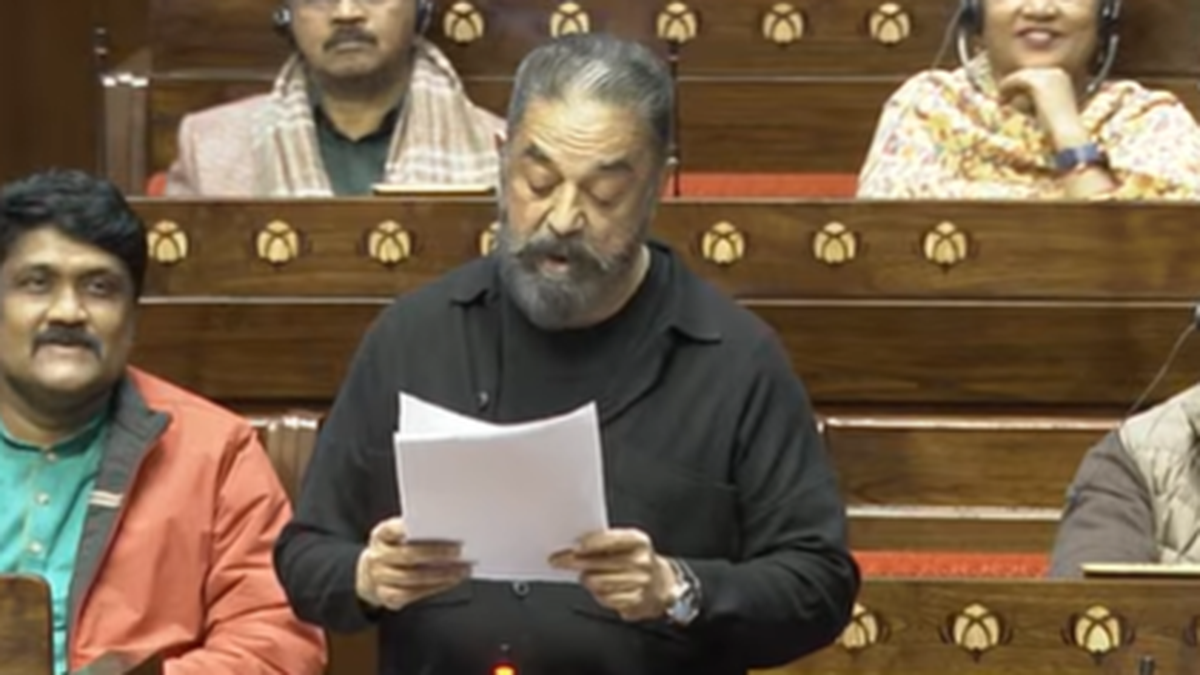
Parliamentary proceedings were heavily disrupted on February 4, 2026, as Opposition members protested a range of issues, including the recently announced India-U.S. trade deal and alleged suppression of debate on national security matters. Speaker Om Birla repeatedly adjourned the Lok Sabha due to persistent sloganeering and unruly behavior, while the Rajya Sabha also witnessed disruptions and points of order raised against the government. Key points of contention included the potential impact of the trade deal on Indian farmers, the announcement of the deal outside of Parliament, and the disallowing of Rahul Gandhi to speak on the India-China conflict.
Key Points:
- Opposition MPs in Lok Sabha suspended for throwing paper on the chair.
- Commerce Minister Piyush Goyal addressed both houses on the India-U.S. trade deal, claiming protection of Indian agriculture and dairy sectors.
- Rahul Gandhi protested being disallowed to speak on national security, specifically the India-China conflict of 2020.
- Leader of Opposition Mallikarjun Kharge criticized the trade deal, warning of its negative impact on Indian farmers and accusing the government of prioritizing propaganda.
- Speaker Om Birla adjourned the Lok Sabha multiple times due to protests.
- The government stated Maoism would end by March 2026 as part of their response to concerns raised about ongoing attacks.
Critical Analysis:
The protests highlight a deep division between the ruling party and the opposition regarding economic policy and democratic processes. The opposition’s focus on the India-U.S. trade deal suggests a fear that it will negatively impact domestic industries, particularly agriculture, and a perception that the government is prioritizing foreign relations over the interests of Indian citizens. Rahul Gandhi’s protest against being silenced on national security issues reflects broader concerns about transparency and the government’s handling of sensitive matters like the India-China border dispute. The fact that the trade deal announcement was made outside Parliament further exacerbated the situation, leading to accusations of undermining parliamentary procedure.
Key Takeaways:
- The India-U.S. trade deal is a major source of contention between the government and the opposition.
- The opposition is concerned about the potential negative impact of the trade deal on Indian farmers and domestic industries.
- Rahul Gandhi’s protest highlights concerns about the suppression of debate on national security issues.
- Parliamentary proceedings are being significantly disrupted by political polarization and protests.
- Announcements made outside of Parliament may be perceived as undermining parliamentary processes.
Impact Analysis:
The ongoing disruptions in Parliament could hinder the legislative process and delay important policy decisions. The heated debate over the India-U.S. trade deal may force the government to reconsider certain aspects of the agreement or engage in further negotiations to address the concerns of the opposition and relevant stakeholders. Rahul Gandhi’s protest could further polarize the political landscape and lead to increased scrutiny of the government’s handling of national security issues. The frequent adjournments of Parliament demonstrate the challenges to effective governance in a highly divided political climate. The ability of the government to deliver on its promise to end Maoism by March 2026 will be under close scrutiny.
 First Piper