
Wed Feb 04 06:27:11 UTC 2026: # Parliament Disrupted by Protests, Suspensions, and Trade Deal Concerns
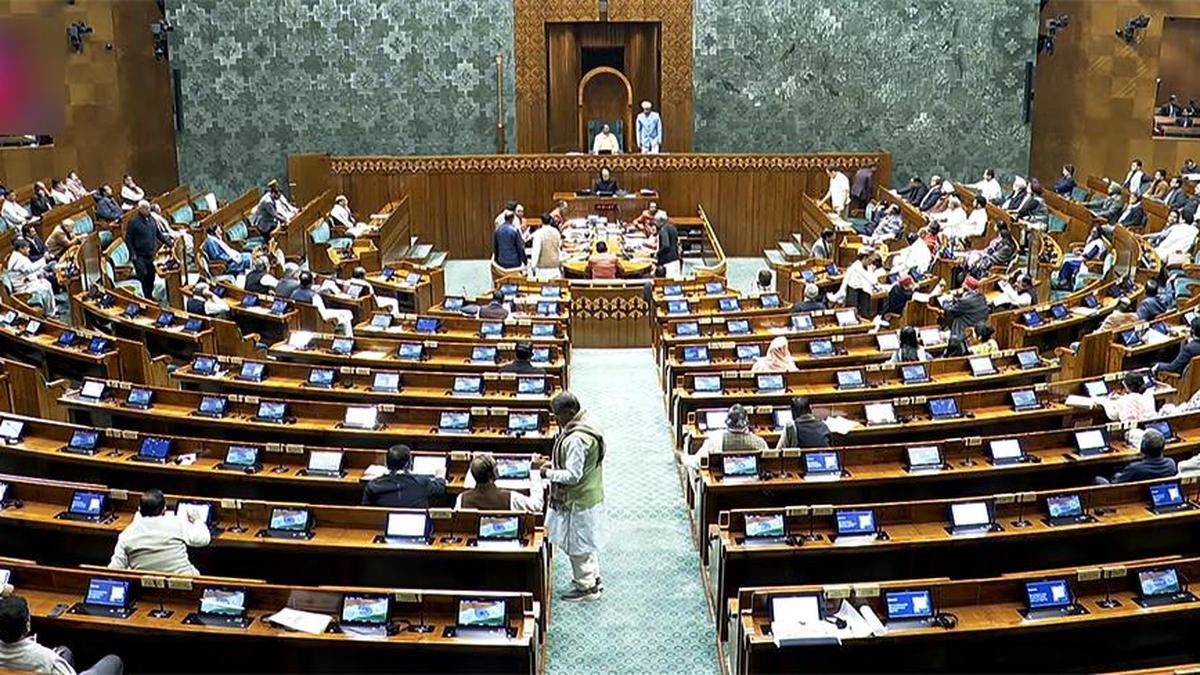
The Story: The Indian Parliament’s Budget session is facing significant disruptions as opposition parties voice their discontent on multiple fronts. The Lok Sabha was adjourned after the suspension of eight MPs on February 3, 2026, following a protest involving throwing paper at the Speaker. Simultaneously, in the Rajya Sabha, opposition members are challenging the Union Government regarding the India-U.S. trade deal, alleging it could negatively impact Indian farmers. Rahul Gandhi has also lodged a formal complaint against being prevented from speaking on national security matters.
Key Points:
- Eight MPs suspended from the Lok Sabha for unruly behavior on February 3, 2026.
- Opposition in Rajya Sabha raises concerns about the potential negative impact of the India-U.S. trade deal on Indian farmers.
- CPI(M) MP John Brittas criticizes the government for announcing the India-U.S. trade deal on social media while Parliament was in session.
- Rahul Gandhi protests being disallowed from speaking on national security issues in the Lok Sabha, calling it a “blot on democracy.”
- Congress MP Jebi Mather Hisham demands an AIIMS for Kerala, criticizing the central government’s alternative “Turtle trails scheme”.
- MP Tiruchi Siva highlights the plight of Tamil Nadu fishermen facing issues with the Sri Lankan Navy and requests retrieval of Katchatheevu Island.
Critical Analysis: The events reveal escalating tensions between the ruling party and the opposition. The suspension of MPs highlights the government’s attempt to control parliamentary proceedings, while the opposition’s protests over the trade deal and denial of speaking opportunities suggest a deeper dissatisfaction with the government’s transparency and responsiveness. The specific regional demands from MPs (AIIMS for Kerala, fishermen issues in Tamil Nadu) indicate a broader struggle for equitable resource allocation and regional concerns. The announcement of the India-U.S. trade deal outside of Parliament reveals a strategic choice by the ruling party.
Key Takeaways:
- The Budget session is marked by significant political friction between the ruling party and the opposition.
- The India-U.S. trade deal is emerging as a major point of contention, with the opposition questioning its potential impact on Indian farmers and the process by which it was announced.
- Regional disparities and long-standing grievances are being amplified within the parliamentary discourse.
- The government is facing accusations of suppressing opposition voices and circumventing parliamentary procedures.
- The disruption in Parliament highlights a breakdown in communication and consensus-building between the government and the opposition, potentially hindering effective governance.
Impact Analysis: The ongoing disruptions and heightened tensions in Parliament could have several long-term implications. Firstly, they could undermine the legitimacy and effectiveness of parliamentary debates and legislative processes. Secondly, they could further polarize the political landscape, making it more difficult to find common ground on important policy issues. Finally, the regional demands and grievances voiced by MPs could fuel regionalism and potentially create further instability if left unaddressed. The long-term political stability of India could be at risk.
 First Piper