
Wed Feb 04 12:42:00 UTC 2026: ### Parliamentary Uproar Disrupts Proceedings Over India-U.S. Trade Deal
The Story:
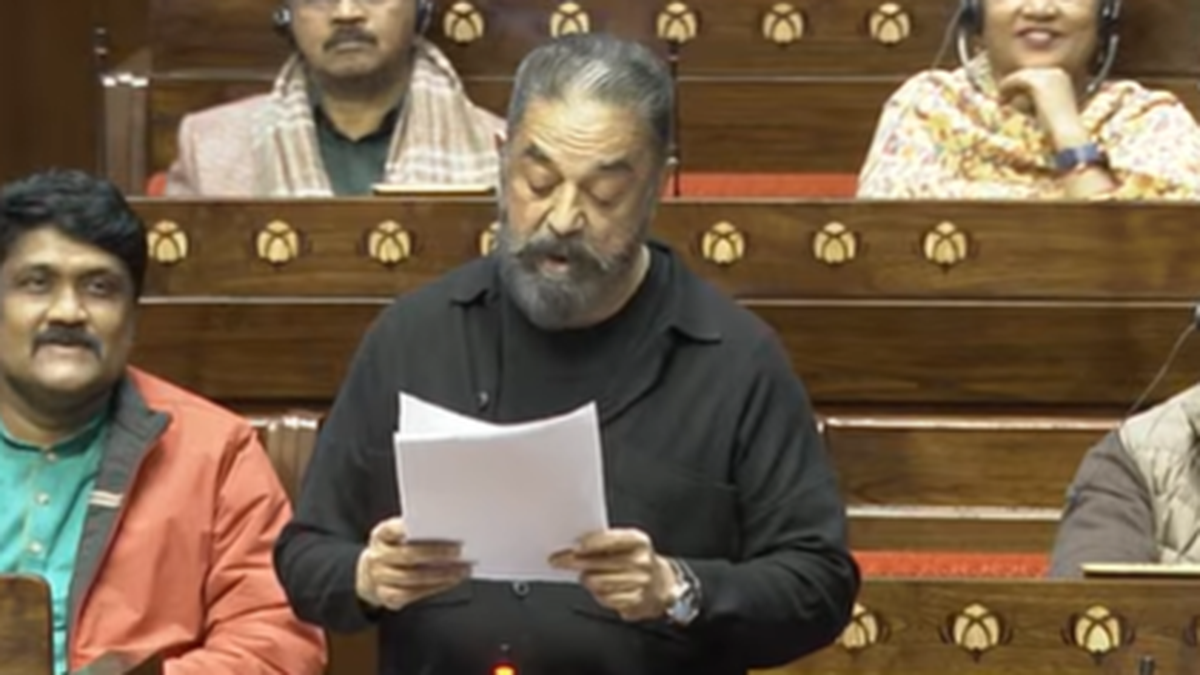
Parliamentary proceedings in both the Lok Sabha and Rajya Sabha were heavily disrupted on Wednesday, February 4, 2026, due to opposition protests over various issues, including the recently announced India-U.S. trade deal and Rahul Gandhi being disallowed to speak on matters of national security. Union Commerce Minister Piyush Goyal attempted to brief both houses on the trade deal, emphasizing the protection of India’s agriculture and dairy sectors. However, constant sloganeering and disruptions hampered his efforts, leading to adjournments and accusations flying between the ruling party and the opposition. Kamal Haasan, MNM MP, made his maiden speech in the Rajya Sabha, calling for a growing, progressive democracy.
Key Points:
- Speaker Om Birla adjourned the Lok Sabha until 2 PM due to persistent opposition protests.
- Eight MPs were suspended the previous day (February 3, 2026) for throwing paper on the Chair.
- Union Commerce Minister Piyush Goyal stated that the India-U.S. trade deal protects India’s agriculture and dairy sectors.
- Rahul Gandhi lodged a protest with Speaker Om Birla for being disallowed to speak on national security matters.
- Kamal Haasan made his maiden speech in the Rajya Sabha, emphasizing democratic values and the protection of people’s rights.
- Opposition leaders criticized the trade deal, alleging that it will severely impact Indian farmers, and that the deal was announced via social media before Parliament.
- The Union Home Minister has promised to end Maoism by March 2026.
Critical Analysis:
The events unfolding in Parliament highlight a deep-seated political polarization and a breakdown in parliamentary decorum. The opposition’s aggressive tactics, including sloganeering and disruptions, suggest a strategy to challenge the government’s agenda and gain public attention. Rahul Gandhi’s protest and the subsequent uproar indicate a lack of consensus on handling sensitive issues of national security. The emphasis on protecting agriculture and dairy in the trade deal suggests a concern for potential political fallout from alienating the farming community, a historically powerful voting bloc.
Key Takeaways:
- The India-U.S. trade deal is facing significant political opposition, primarily concerning its potential impact on Indian farmers.
- Parliamentary proceedings are being severely hampered by ongoing protests and disruptions, indicating a highly polarized political climate.
- Rahul Gandhi’s claims of being silenced raise concerns about the freedom of expression and democratic processes within the Lok Sabha.
- The government is attempting to highlight its achievements while downplaying the opposition’s criticisms, leading to further divisions.
- The maiden speech of Kamal Haasan adds a layer of commentary on the need to safeguard democratic principles amidst political clashes.
Impact Analysis:
The continued disruption of parliamentary proceedings could have long-term implications for policy-making and governance. If the opposition consistently blocks legislative business, it could lead to delays in implementing key reforms and addressing pressing national issues. The controversy surrounding the India-U.S. trade deal could also impact India’s international relations and its ability to negotiate favorable trade agreements in the future. Moreover, the erosion of parliamentary decorum could further erode public trust in political institutions and processes. The government’s ability to address internal security challenges, such as Maoism, may also be affected if parliamentary cooperation remains strained.
 First Piper