
Wed Feb 04 10:13:23 UTC 2026: # Kerala Approves Regional Rapid Transit System Amidst Center-State Tensions
The Story:
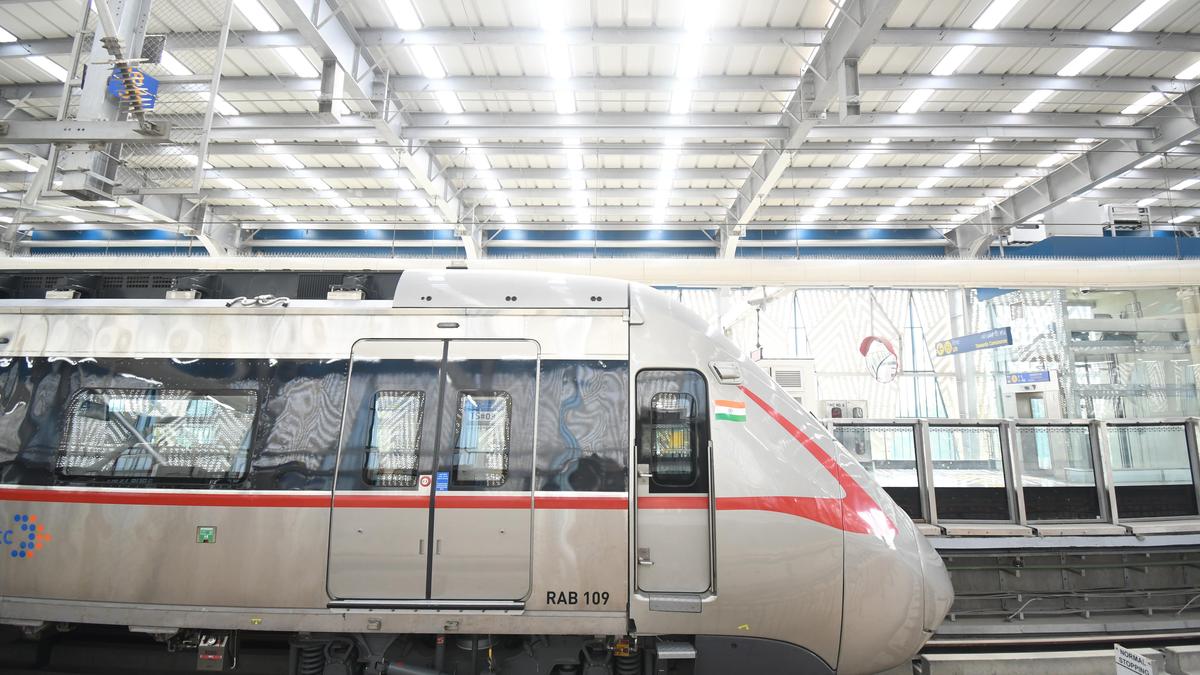
The Kerala government has approved a Regional Rapid Transit System (RRTS) for high-speed rail travel within the state, spanning from Thiruvananthapuram to Kasaragod. This decision comes after the central government displayed what the state government views as “indifference” towards its earlier proposal, the SilverLine semi-high-speed rail project. Simultaneously, technocrat E. Sreedharan claims to be developing a high-speed rail project for Kerala with the support of the Union Railway Ministry, confirmed by Union Railway Minister Ashwini Vaishnaw, further complicating the situation.
Key Points:
- Kerala approves RRTS from Thiruvananthapuram to Kasaragod, spanning 583 km in four phases.
- Phase 1, the Travancore Line (Thiruvananthapuram to Thrissur), is slated for completion by 2033.
- The RRTS aims to integrate with existing and planned metro rail projects and connect four international airports.
- The project is estimated to cost approximately ₹1,92,780 crore, with funding split between the state government (20%), central government (20%), and international loans (60%).
- RRTS train sets will operate at 160-180 kmph, with more intermediate stops compared to traditional high-speed rail.
Critical Analysis:
The decision to proceed with the RRTS appears to be a direct response to perceived neglect from the central government regarding the SilverLine project. The fact that the central government is simultaneously backing a competing project led by E. Sreedharan suggests a fractured approach to infrastructure development in Kerala, potentially driven by political factors. The resolution passed by the Kerala Assembly against “continuing neglect” by the Centre further underscores this strained relationship. The “aama (turtle)” remark by the Congress MP from Kerala in the Parliament Budget Session reflects the state’s frustration with the pace of development initiatives.
Key Takeaways:
- Center-state relations are significantly impacting infrastructure development in Kerala.
- The Kerala government is seeking autonomy in its rail infrastructure projects, driven by perceived central indifference.
- Competing rail project proposals create confusion and potentially inefficient resource allocation.
- Integration with existing infrastructure and environmental considerations are key priorities for the RRTS project.
Impact Analysis:
The RRTS project has the potential to significantly improve connectivity and reduce reliance on private vehicles within Kerala. If successfully implemented, it could serve as a model for other states seeking to develop integrated, multi-modal transit systems. However, the success of the project hinges on securing adequate funding and navigating the complex political landscape between the state and central governments. The project’s environmental impact, particularly the viaduct model, is designed to reduce land acquisition and mitigate public opposition, and its success will greatly affect future developments.
 First Piper