
Wed Feb 04 03:37:23 UTC 2026: # Tensions High as US and Iran Signal Potential Talks Amidst Military Incidents
The Story:
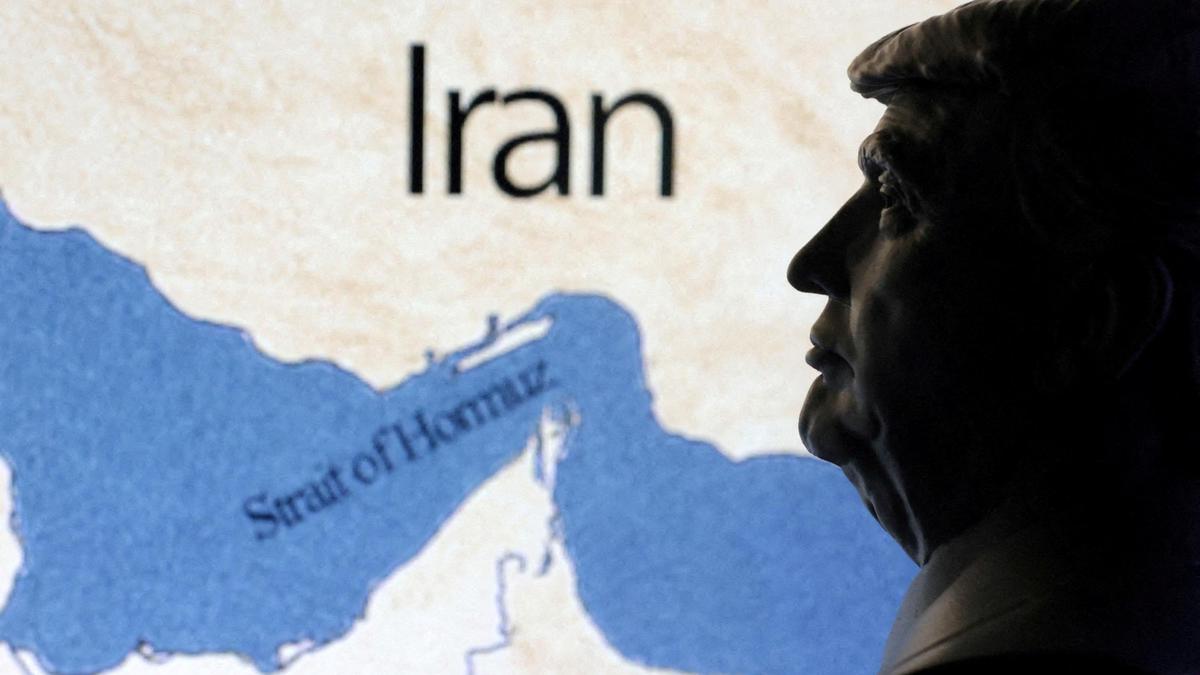
On February 3, 2026, Iran’s President Masoud Pezeshkian instructed his foreign minister to pursue negotiations with the United States, marking a potential shift in Tehran’s stance after a bloody crackdown on recent protests. This announcement coincided with a U.S. Navy fighter jet shooting down an Iranian drone approaching an American aircraft carrier. Despite this incident, the White House confirmed that planned talks between U.S. special envoy Steve Witkoff and Iranian officials in Turkey are still scheduled. These developments follow increased tensions and escalating military interactions between the two nations.
Key Points:
* Iran’s President Masoud Pezeshkian has instructed his foreign minister to pursue negotiations with the U.S.
* A U.S. Navy fighter jet shot down an Iranian drone approaching a U.S. aircraft carrier on February 3, 2026.
* U.S. special envoy Steve Witkoff is scheduled to hold talks with Iranian officials in Turkey.
* U.S. President Donald Trump has included Iran’s nuclear programme in a list of demands for any talks.
* Turkey is attempting to facilitate the talks, with Oman, Pakistan, Qatar, Saudi Arabia and the United Arab Emirates invited to attend.
* Iran’s Islamic Revolutionary Guard Corps forces harassed a merchant vessel flying the American flag and carrying an American crew on February 3, 2026.
Critical Analysis:
The decision to engage in negotiations amidst ongoing military incidents indicates a complex strategic calculation by both sides. President Pezeshkian’s willingness to negotiate, supported by Supreme Leader Ayatollah Ali Khamenei, suggests internal pressure from the recent protests, highlighted by the earlier news stating “Game is over’: Iran’s ex-leaders, hardliners clash after protest killings.” Trump’s willingness to continue with scheduled meetings despite the drone incident, coupled with the high demands concerning the nuclear program, suggests a strategy of “maximum pressure” combined with a conditional opening for dialogue. The involvement of Turkey and other regional powers underscores the broader geopolitical implications and the desire for de-escalation by external actors.
Key Takeaways:
* Despite escalating military tensions, both the U.S. and Iran are signaling a willingness to engage in negotiations.
* Internal pressures within Iran, stemming from recent protests, appear to be a key factor driving the shift toward diplomacy.
* Trump’s strategy appears to involve maintaining pressure while exploring potential diplomatic solutions.
* Regional powers are playing a significant role in facilitating potential talks.
* The inclusion of Iran’s nuclear program as a core demand significantly raises the stakes for any potential agreement.
Impact Analysis:
The success or failure of these initial talks will have far-reaching consequences. If negotiations proceed positively, it could lead to a de-escalation of tensions in the Middle East and a renewed effort to address Iran’s nuclear program. However, if the talks collapse, it could trigger further military confrontations and potentially destabilize the region further. The involvement of regional powers adds another layer of complexity, as their individual interests and rivalries could influence the course of the negotiations. Ultimately, the outcome hinges on the willingness of both the U.S. and Iran to compromise and find common ground on contentious issues.
 First Piper